This post may contain affiliate links, which means I may earn a small commission from purchased products at no additional cost to you.
Table of Contents
The road into Arnaudville winds through open fields and quiet stretches of Acadiana, the kind of landscape that invites you to slow down and pay attention. When I arrived at Cajun Prairie Farm, the land itself felt intentional. Rows were orderly but alive, prairie grasses moved in the breeze, and the air carried that familiar mix of soil, sun, and growing things. This is not a farm designed to impress at first glance. It is a farm designed to endure.
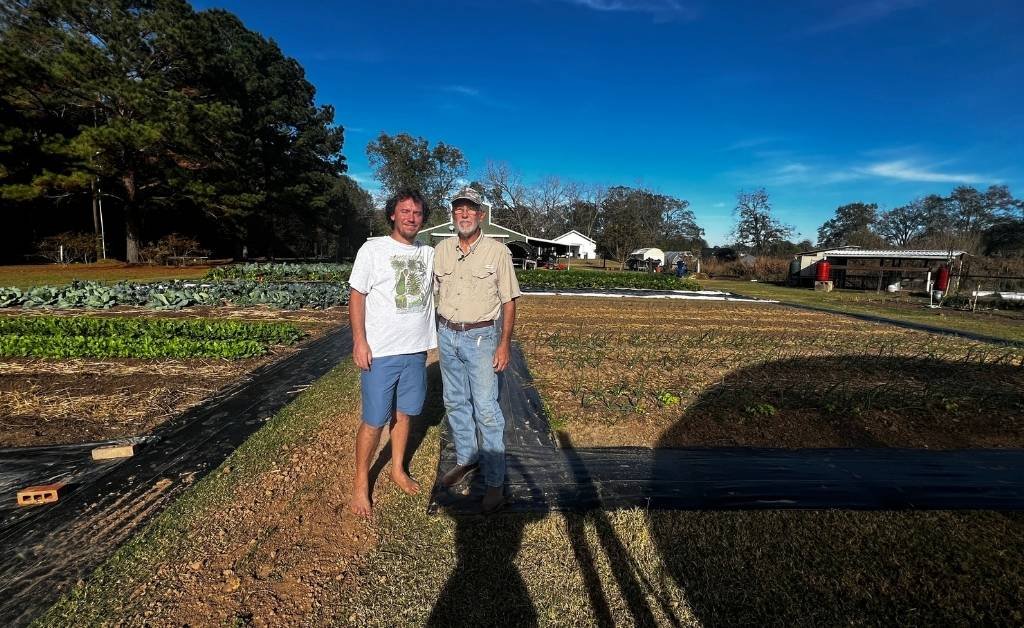
Cajun Prairie Farm is a 12-acre family farm run by father and son Larry and Andre Allain. What they are cultivating here goes far beyond vegetables. This land holds stories about how Cajun families once lived, ate, prayed, and worked with what the prairie gave them. Walking the farm, it became clear that this place is not about nostalgia. It is about continuity.
A Cajun Farm Rooted in Family and Place
Larry Allain grew up in Jeannerette, Louisiana, raised alongside grandparents who spoke French and farmed sugar cane on a small plot of land. Gardening and agriculture were part of everyday life, not a lifestyle choice.
“I learned to fall in love with gardening and agriculture as a child growing up next door to my grandparents.”
— Larry Allain
Larry studied agriculture before following his love of nature into biology and eventually becoming a biologist. After retiring, he returned to the land with a deeper scientific understanding and a desire to reconnect with the cultural knowledge he grew up around. Cajun Prairie Farm became the place where those worlds met.
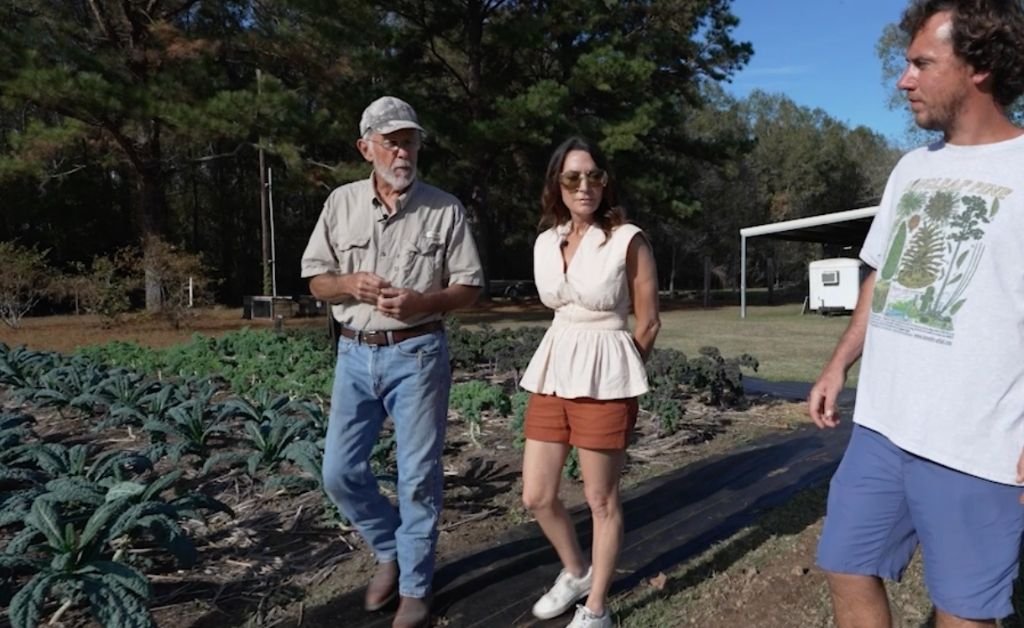
Today, Larry farms alongside his son Andre. Together, they grow vegetables for local farmers’ markets and restore native Cajun prairie across much of the property. Their long-term vision includes grazing sheep on restored grasslands and reconnecting agriculture to the rhythms of this landscape.
Farming Beyond Organic: Regenerative and Ecological Practices
Cajun Prairie Farm is not registered organic, but that distinction misses the point. The Allains do not use chemicals. Instead, they practice regenerative and ecological farming that starts with soil health.
“We’re not registered organic. That’s a registration controlled by the government. But we use organic practices. We’re beyond organic.”
— Larry Allain
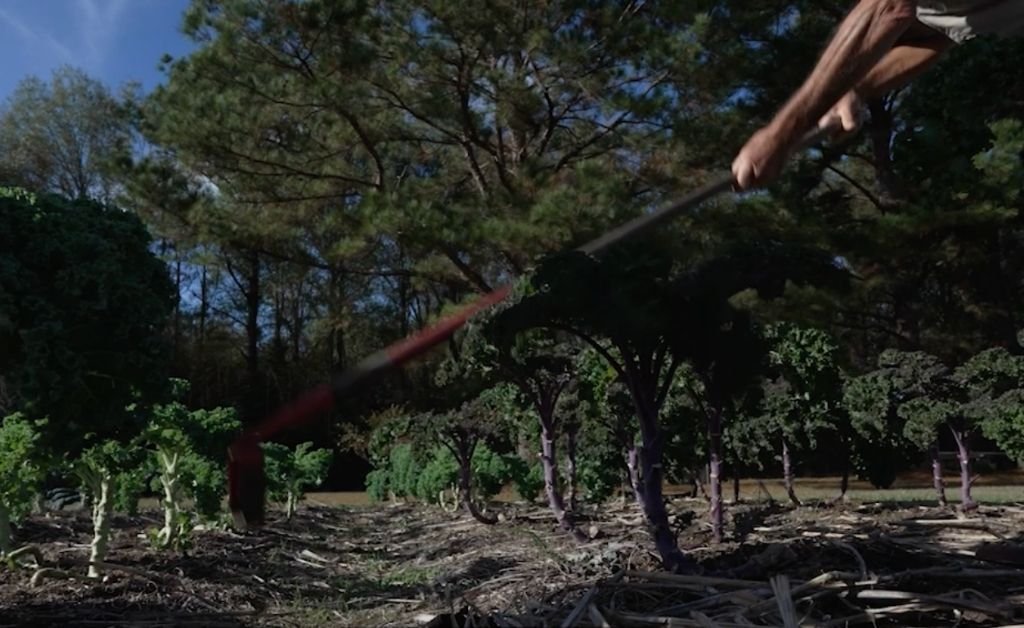
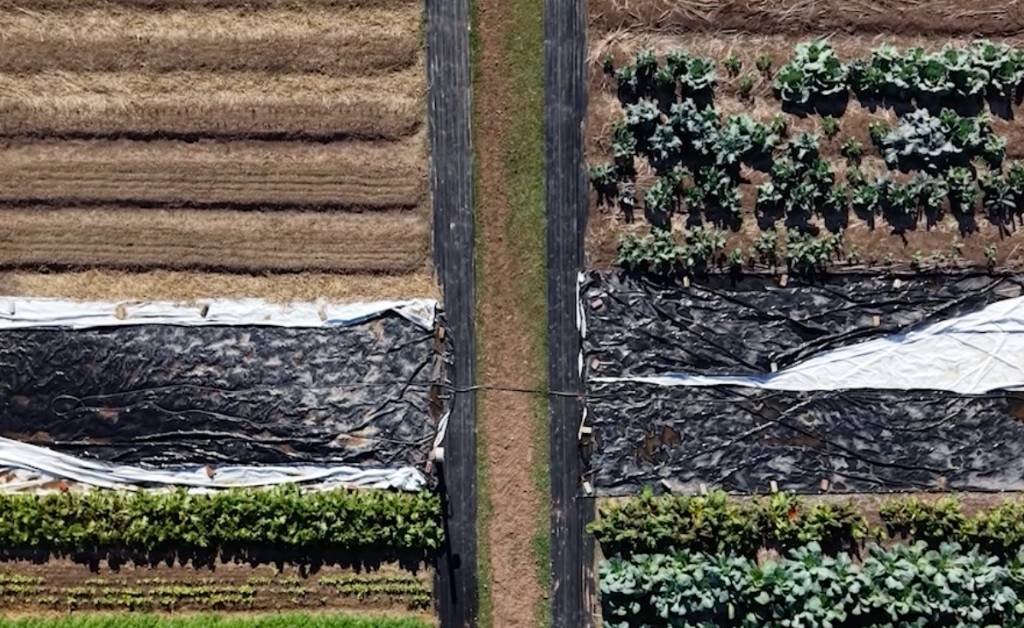
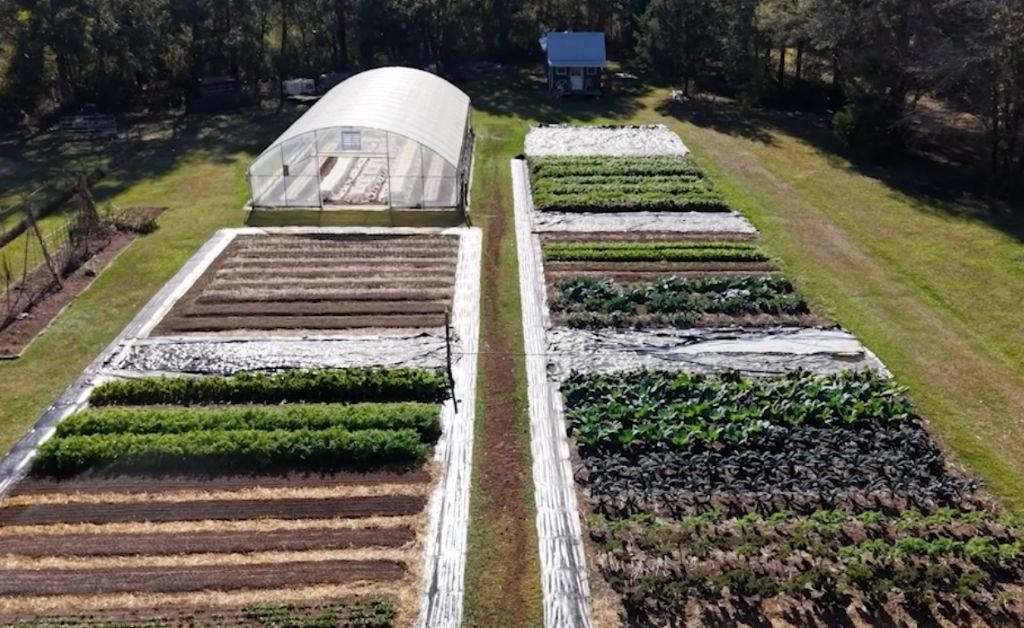
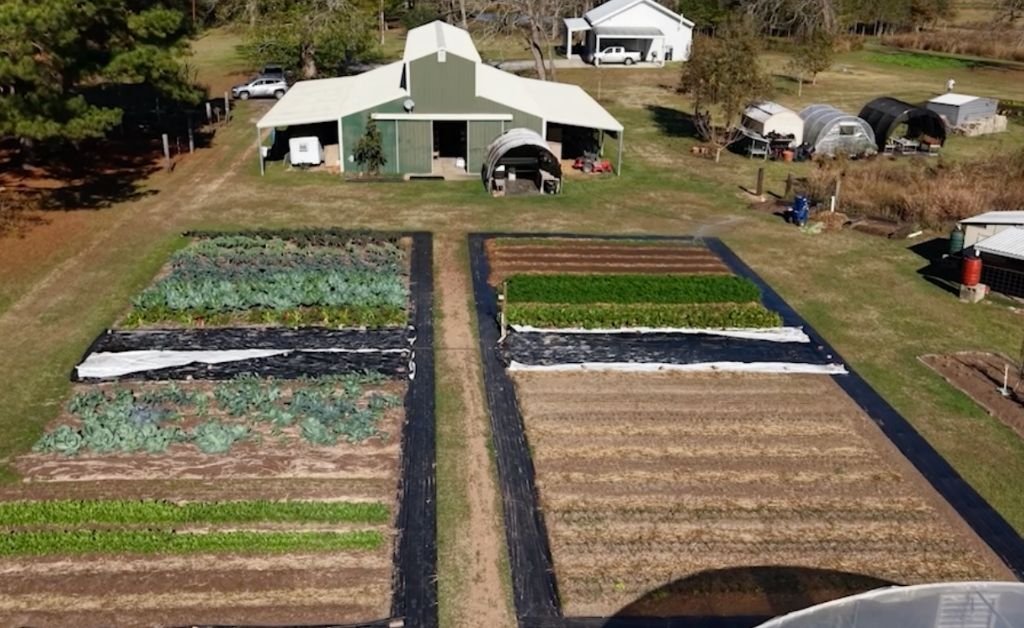
Walking the rows, I noticed how uniform and intentional everything felt. Each bed is standardized at 30 inches wide, with rows stretching 30 feet long. Permanent beds are protected with mulch wherever plants are not growing. The soil is always covered to shield it from heat and sun, which is a core principle of regenerative farming.
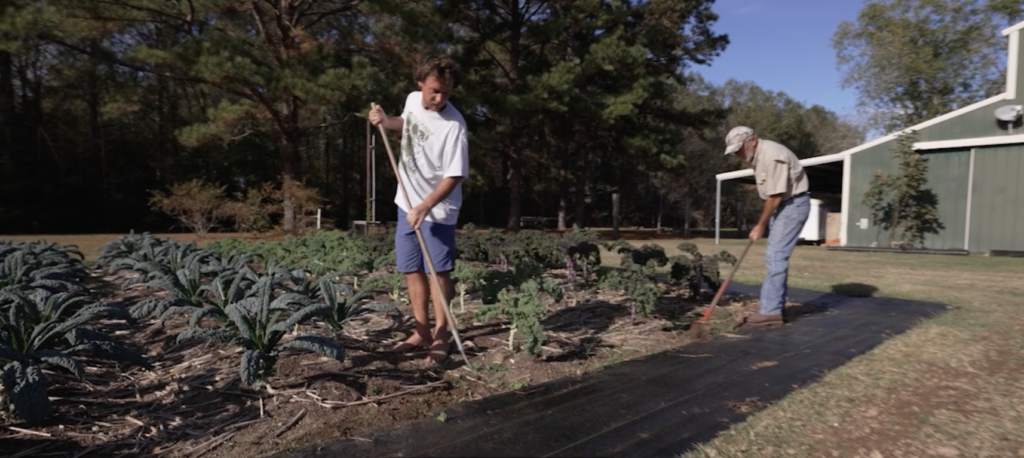
Larry explained that the standardized beds are intentional. The uniformity makes it easier to show visitors how the permanent beds work, why the soil stays covered with mulch, and how a bed is flipped after harvest and planted again.
When crops are harvested, beds are immediately replanted. Carrots grow alongside kale, collards, Swiss chard, and other greens, with careful rotation that supports soil vitality.
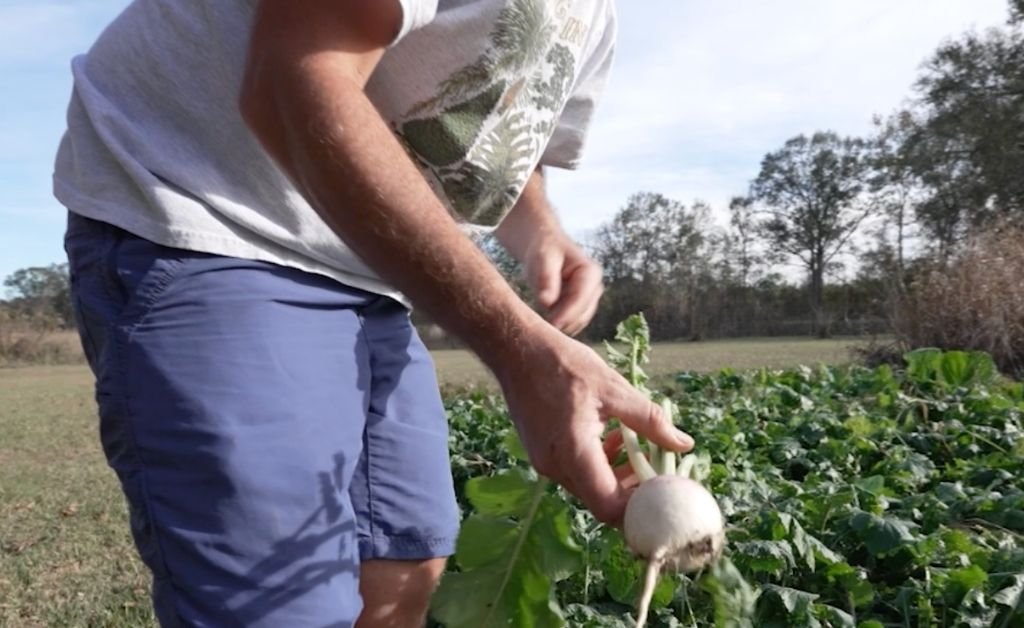
The farm uses hand tools, homemade compost, fish fertilizer, and seaweed during the growing season. Andre, representing the next generation, is deeply invested in keeping these practices accessible and teachable.
“Inspiring people to farm with hand tools is one of my goals. Keeping traditions basic and growing nutrient-dense food with implements we make ourselves.”
— Andre Allain
Measuring Plant Health Through Science
The vegetables at Cajun Prairie Farm look vibrant and robust, and that is not accidental. Larry combines traditional practices with scientific monitoring to understand plant health at a deeper level.
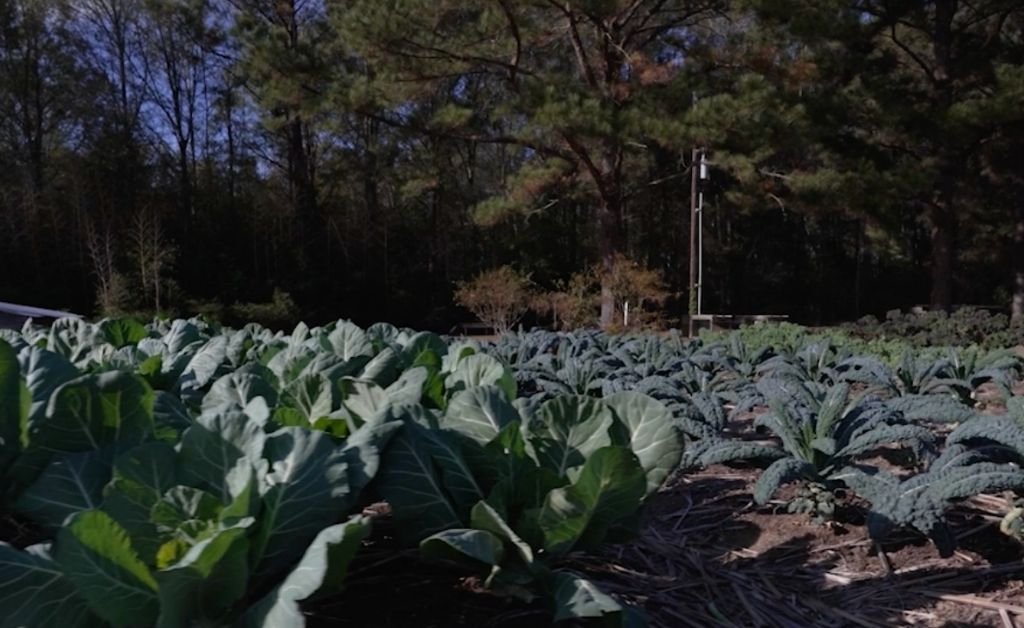
One of the tools he uses is a refractometer to measure Brix levels in plant sap. Brix measures dissolved solids like sugars and minerals and offers insight into nutrient density.
“If the sap Brix is not high, it’s an indicator to us that we need to increase fertility.”
— Larry Allain
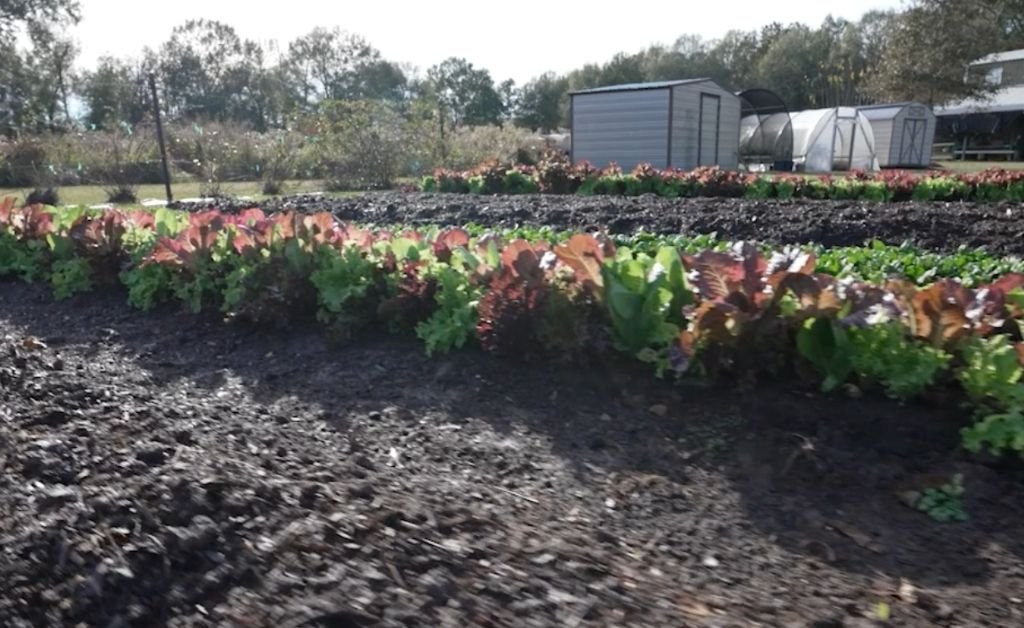
Soil tests ensure that every mineral and nutrient plants need is present. The goal is soil that is primarily fungal-dominated, so plants can access nutrients naturally and efficiently. The result is a product that reflects both healthy soil and careful stewardship.
Larry described these methods as very similar to how Cajun ancestors farmed. They did not have fertilizer or sprays, relied on mechanical tools, and grew and stored food according to the seasons.
Exploring Cajun Foodways From Sea to Plate
Food at Cajun Prairie Farm is not just about what grows. It is about how Cajuns historically lived with the land.
Larry and Andre study Cajun folkways, from what foods were seasonal to how families preserved and stored them. Cajun ancestors ate what was available and learned to stretch those resources creatively.
“They knew how to turn these raw ingredients with so few ingredients into really delicious food.”
— Larry Allain
Carrots were grown in winter and spring and then buried in dirt for storage. Onions were kept under raised houses for months. Vegetables were eaten in season, canned when possible, and supplemented by hunting and by gathering wild plants, especially medicinal ones.
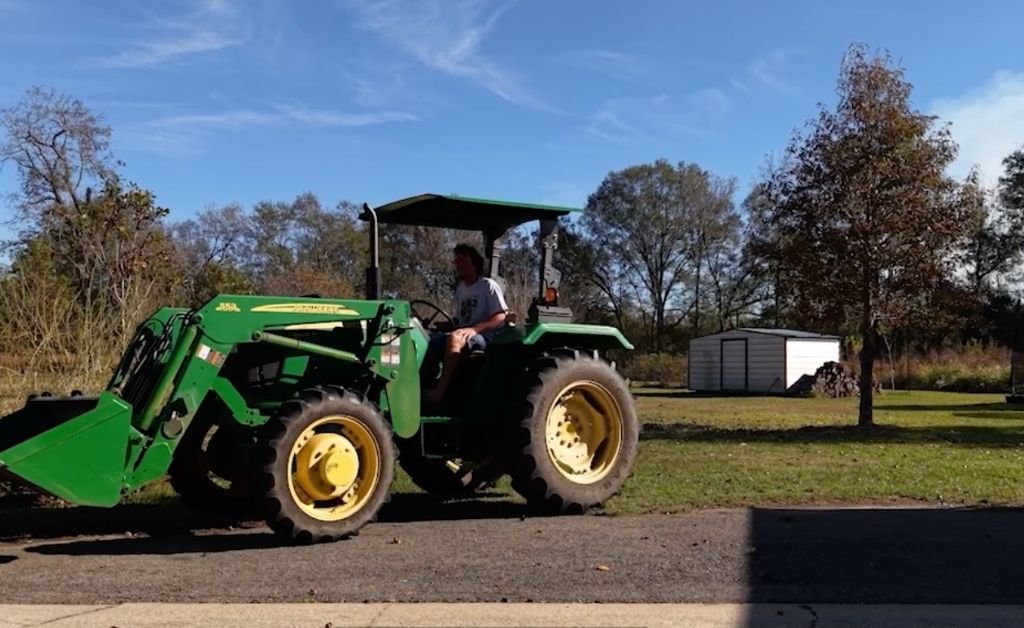
Larry explained that the Cajun diet was fairly simple. When Cajuns were recruited to Louisiana, the state provided corn and vegetable seeds to help them establish themselves. Those seeds largely shaped what they learned to grow, especially since crops from Canada did not survive Louisiana’s climate.
Brown Cotton and Cajun Textiles
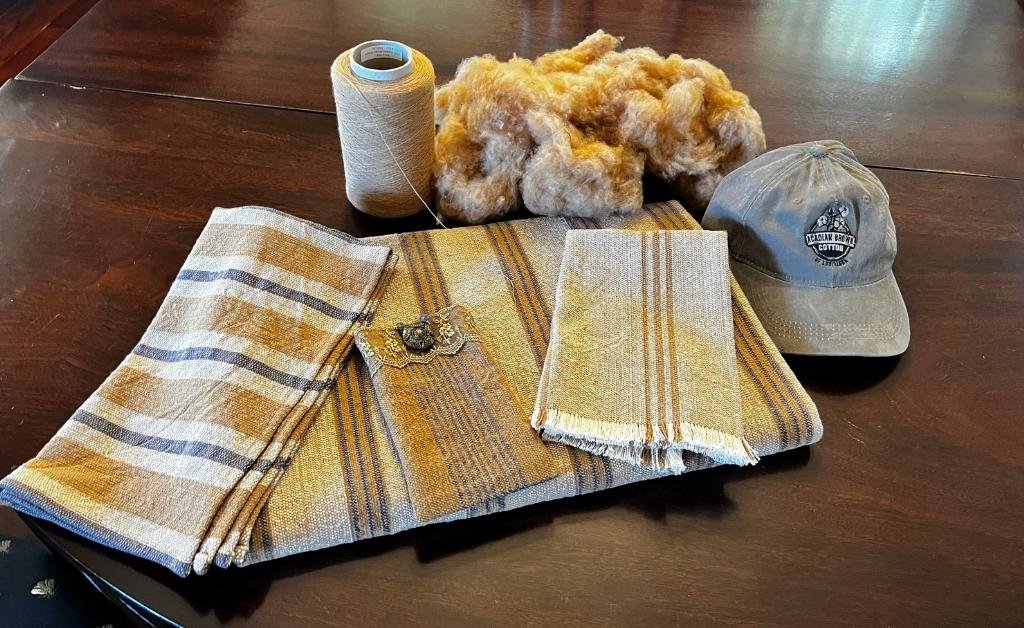
Among the vegetables, Cajun Prairie Farm grows something unexpected: brown cotton, known historically as coton jaune.
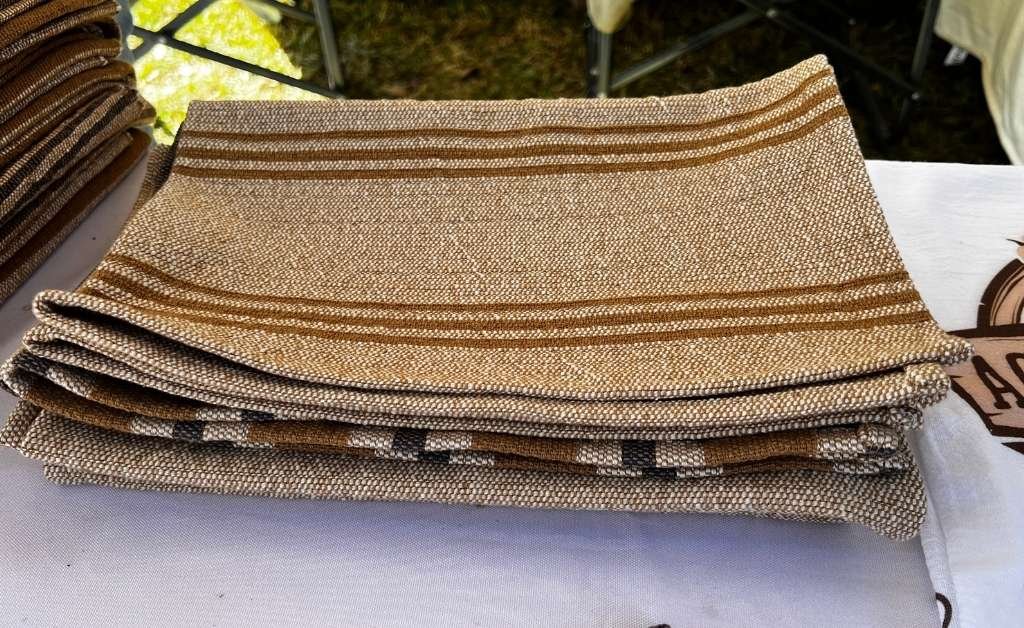
This cotton mattered because it could be processed by hand without a gin. That practicality made it accessible to Cajun families and enslaved people alike. The natural brown fiber explains why so many historical Cajun garments were khaki-colored.
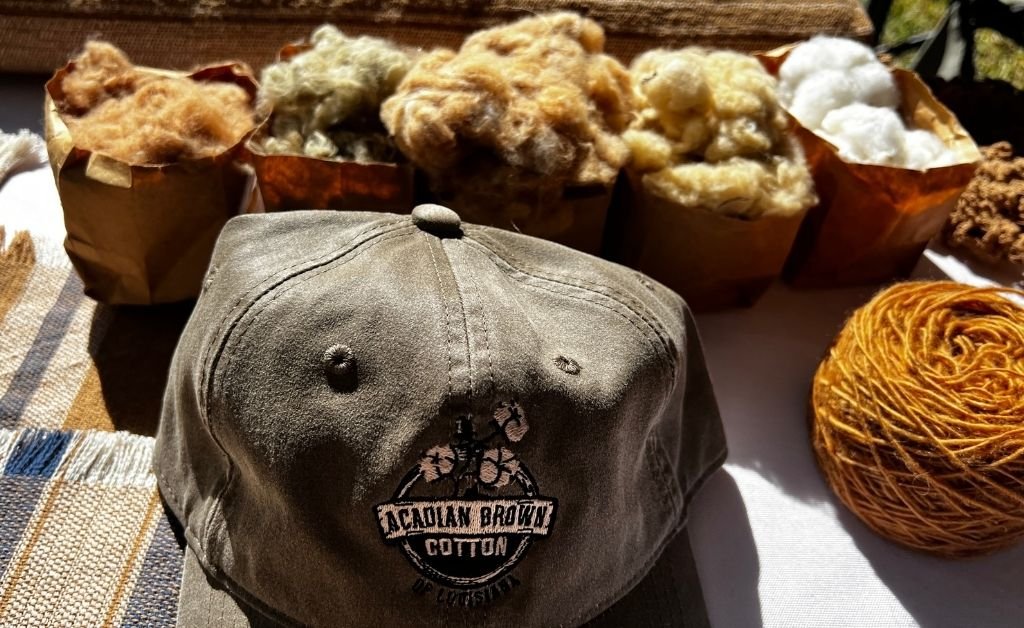
“That’s why all the slaves’ and Cajun clothes were khaki color.”
— Larry Allain
The cotton tells a story about resourcefulness and necessity and about how Cajun culture developed through practical choices shaped by environment and available tools.
Job’s Tears and Cajun Faith
One of the most quietly moving parts of the farm is the planting of Job’s Tears, known in south Louisiana as larmes de Job.
Each seed forms with a smooth gray shell and a tiny hole already in place. Nature does half the work, and all that is required is patience and prayer.
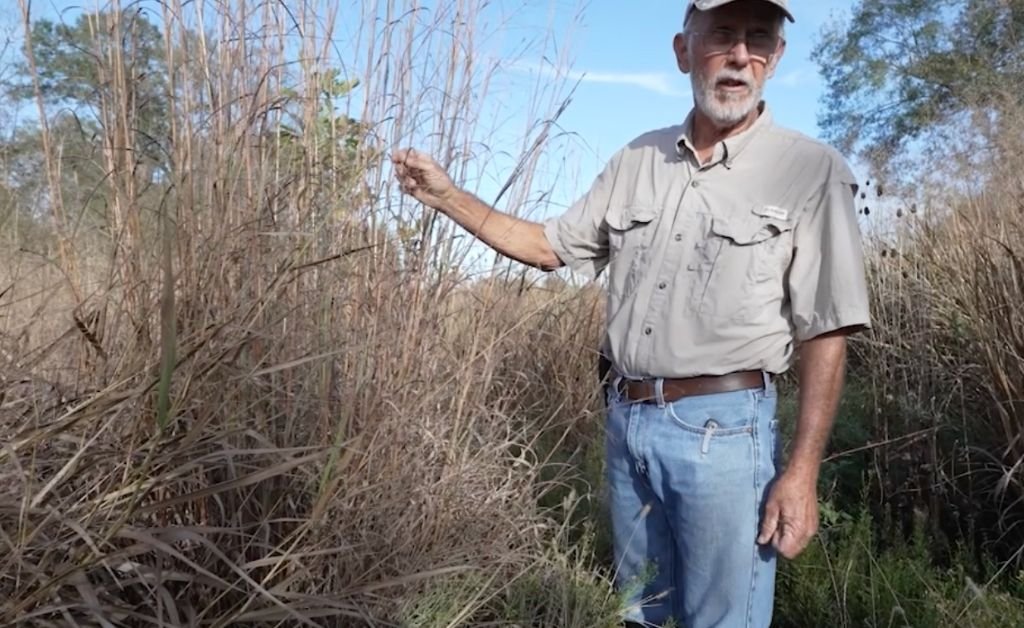
Cajun families once grew Job’s Tears in backyard gardens and along fence lines to make rosaries and necklaces.
“The women took it on themselves to maintain the spiritual life of the Cajuns.”
— Larry Allain
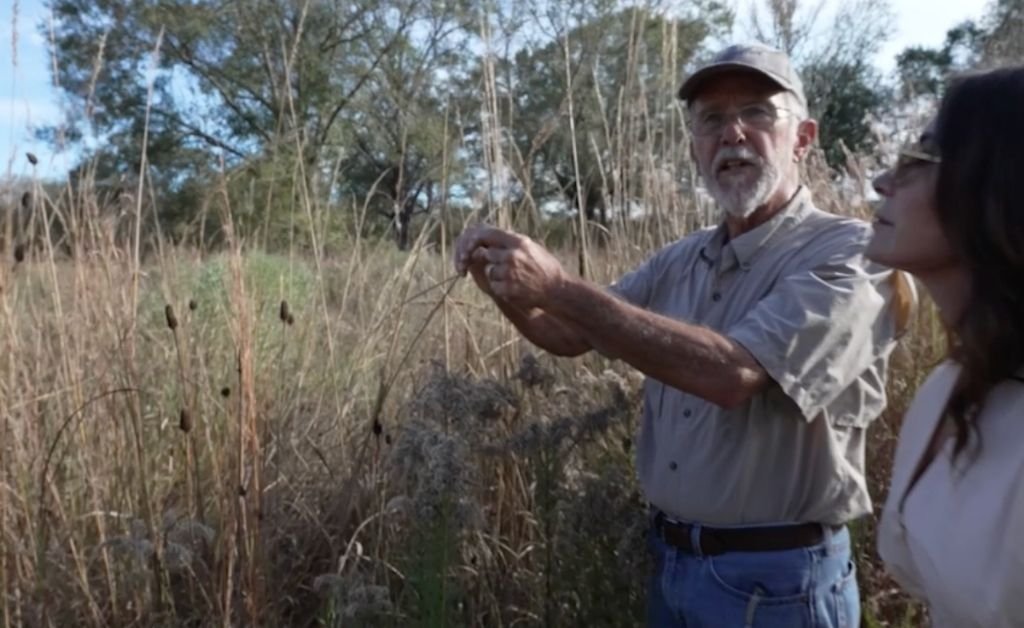
These rosaries were not decorative. They were used for healing prayers, especially for children. The beads carried faith, resilience, and care shaped directly by the land. Seeing them growing here felt like witnessing a living connection between belief and soil.
Preserving Heirloom Seeds and Endangered Plants
Seed saving is central to Cajun Prairie Farm’s mission. The Allains grow heirloom and endangered plant varieties that were once traditional in Cajun gardens.
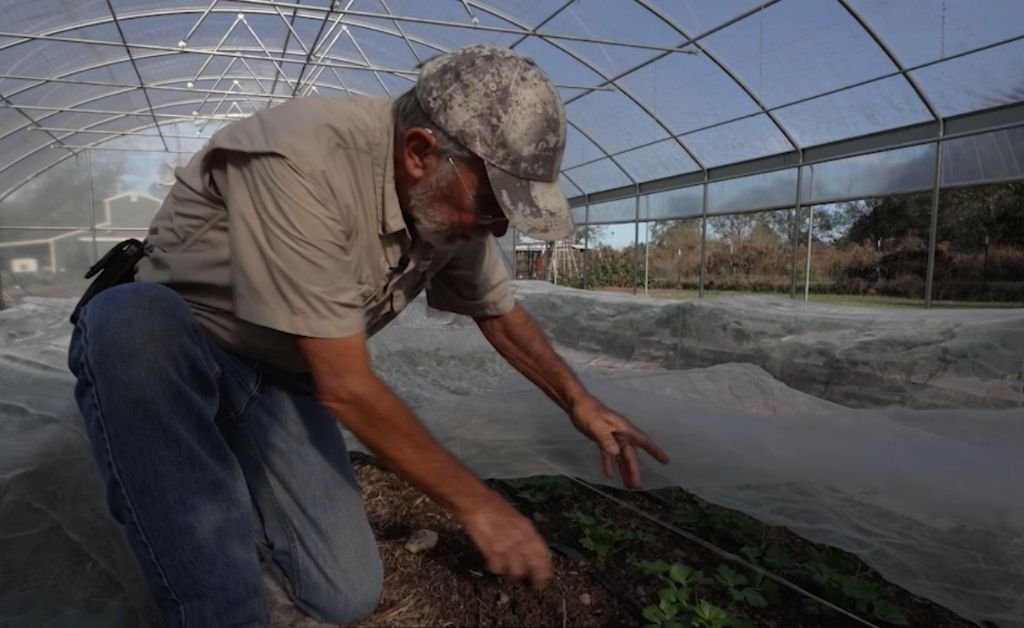
“Maintaining endangered plant genetics and saving seeds from heirloom varieties that were traditional for Cajuns is part of our goal.”
— Andre Allain
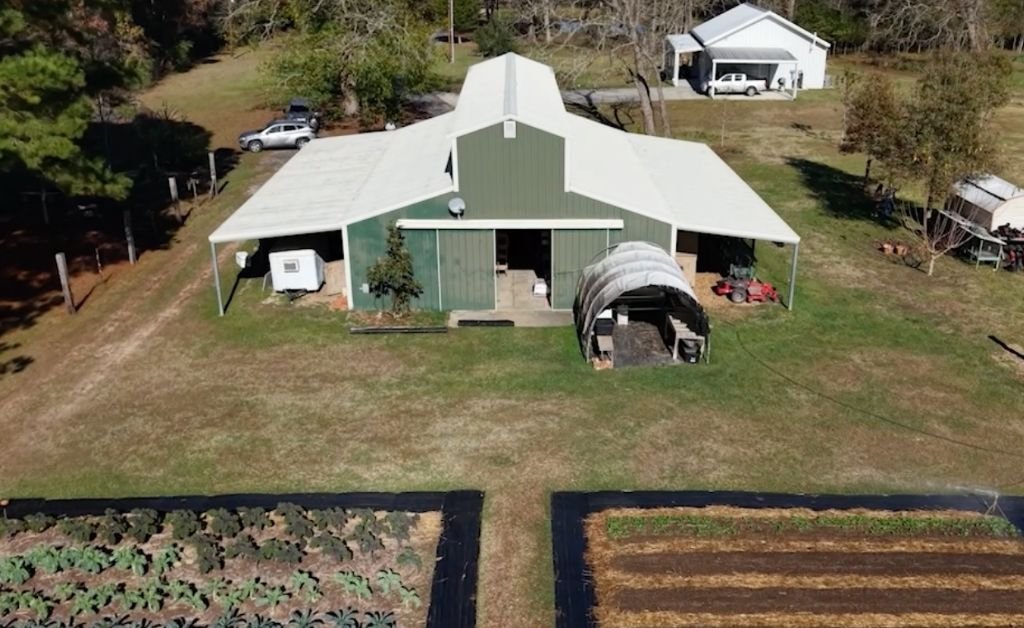
One example is the field pea, a crop that sustained the South through the Civil War and the Great Depression. Larry lost his grandmother’s original variety when he was young and later rediscovered it through a grower in Breaux Bridge. Today, that pea is carefully maintained on the farm.
These plants function as living archives. Each seed carries memory, survival, and adaptation.
The Cajun Garden and Traditional Crops
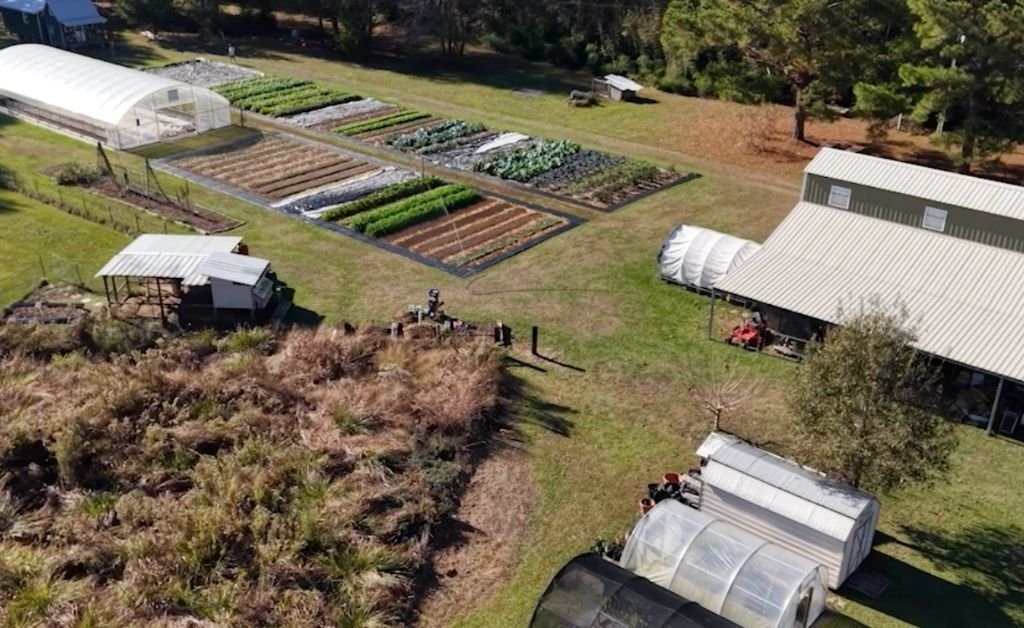
The farm includes what Larry calls a Cajun garden, dedicated to traditional crops like kasha squash, butter beans, sweet potatoes, okra, mustard greens, and field peas.
Some years, the garden rests. Other years, it produces greens like spinach, arugula, lettuce, baby kale, and baby beets. Rest, like planting, is intentional.
Kasha squash stands out as a cultural bridge between Cajuns and the Choctaw people, who likely cultivated it first.
“The Cajuns learned to grow it from the Indians very early.”
— Larry Allain
Cooked with butter and sugar and sometimes candied, kasha squash remains familiar in Acadiana but is largely unknown beyond the region.
Visiting Cajun Prairie Farm
Cajun Prairie Farm welcomes visitors by appointment. Tours are tailored to the group and focus on regenerative farming, prairie restoration, and cultural practices. Details depend on the group and are arranged when you contact the farm to set an appointment. Guests staying at the farm’s Airbnb are also welcomed into the experience.
Larry shared that they recently hosted a group of about 50 visitors interested in grazing and livestock management. The discussion focused on cattle and sheep, establishing grasslands, managing perennial plant communities, and understanding how rotational grazing supports long-term land health.
Staying on the Farm
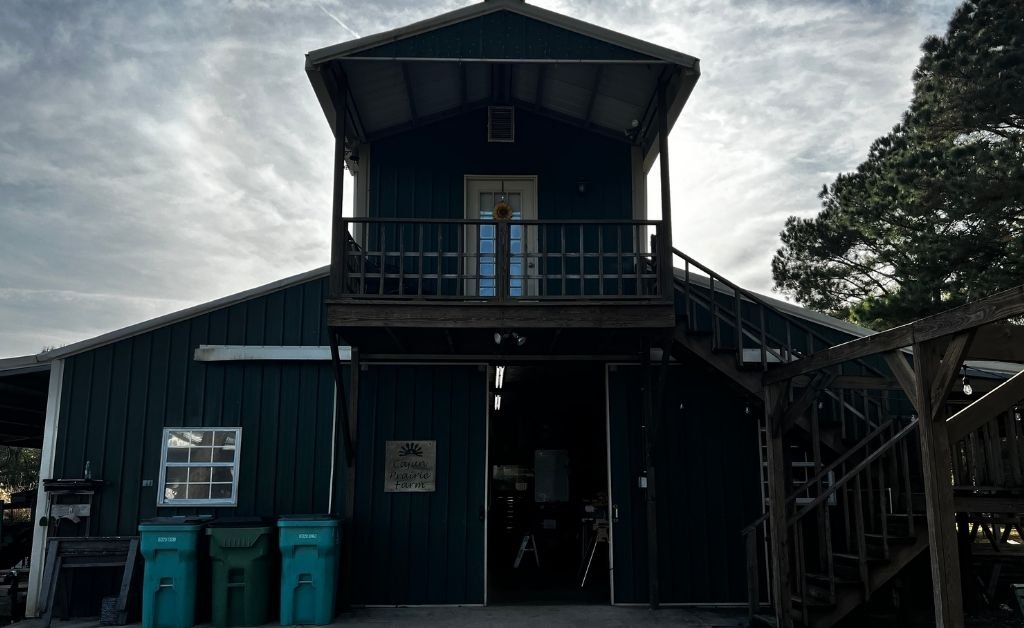
Guests who stay on the property experience Cajun Prairie Farm at a slower and more immersive pace. The on-site Airbnb is a cozy barndominium apartment set directly on the working farm and surrounded by gardens and restored Cajun prairie.
What to expect:
- A quiet and scenic farm stay between Arnaudville and Grand Coteau
- Space for up to four guests with two bedrooms and a private entrance
- A full kitchen so guests can cook their own meals
- Outdoor space that includes a private patio and a fire pit
- Peaceful surroundings that reflect the farm’s ecological design and natural rhythm
The stay feels less like traditional lodging and more like an extension of the farm itself, simple and thoughtful and deeply rooted in place.
Cajun Prairie Farm: Where Cajun Culture Continues to Grow
Cajun Prairie Farm is not trying to recreate the past. It is showing how Cajun culture continues to live through thoughtful stewardship of land, food, and tradition. Here, science and folk knowledge work together. Faith grows alongside vegetables. Seeds are saved for continuity rather than nostalgia.
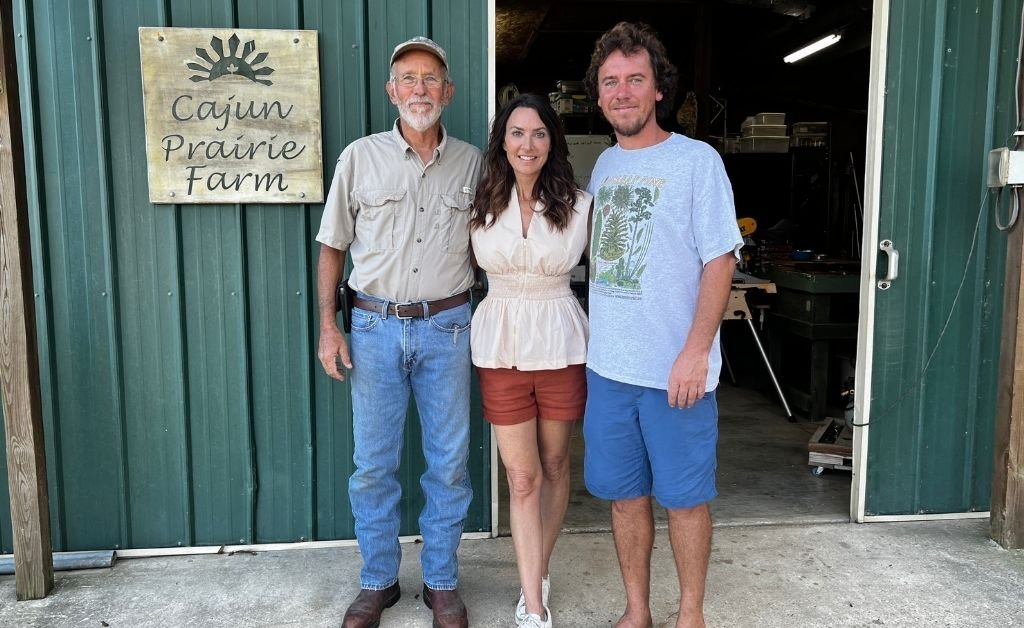
Walking the rows with Larry and Andre, I was reminded that culture does not survive by accident. It survives because people choose to tend it, season after season and generation after generation.
Experience Your Destination with Plannin
Travel is more than sightseeing—it’s about immersion. With Plannin, you can:
✅ Discover authentic adventures, culture, history & cuisine
✅ Unlock hotel deals worldwide at exclusive rates
✅ Book everything in one place—fast and hassle-free
Turn your next trip into a story worth sharing.
Plan your journey with Plannin today.
Stay Connected Anywhere with Saily eSIM
Traveling soon? Skip the hassle of buying local SIM cards and enjoy instant connectivity with Saily eSIM.
With Saily, you can:
- Activate mobile data in minutes—no physical SIM needed.
- Choose affordable plans in over 150 countries.
- Keep your WhatsApp, contacts, and number without switching.

Whether you’re exploring cities or remote getaways, Saily makes staying online easy and affordable.
Get your Saily eSIM now and travel worry
Read More:
Oakland Plantation Toys and Memory: Elvin Shields’ Wire Art Legacy
Think Kenner Is Just the Airport? These Surprising Experiences Will Change Your Mind
Airboating Through the Atchafalaya: A Deep Dive into Louisiana’s Living Swamp