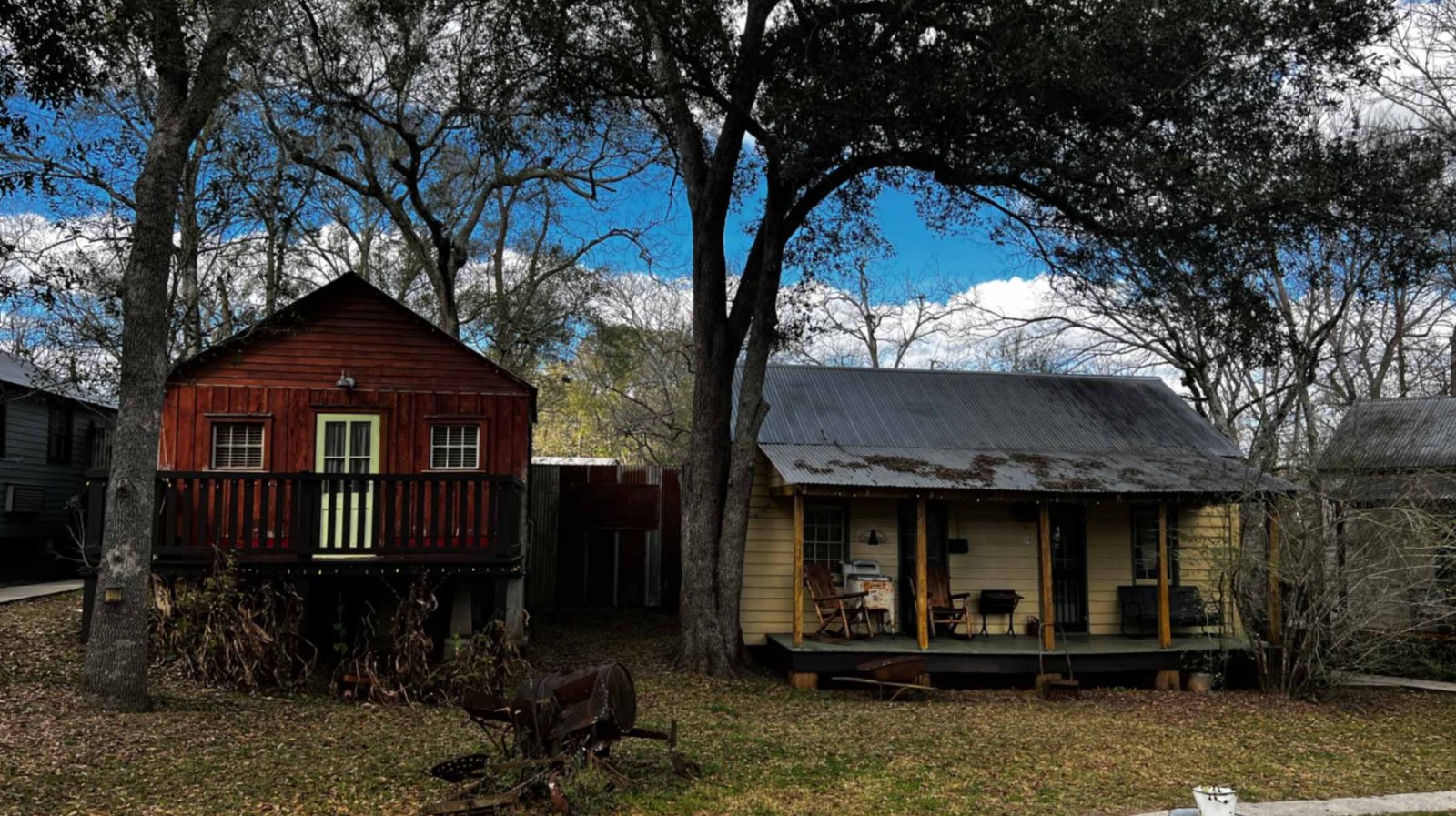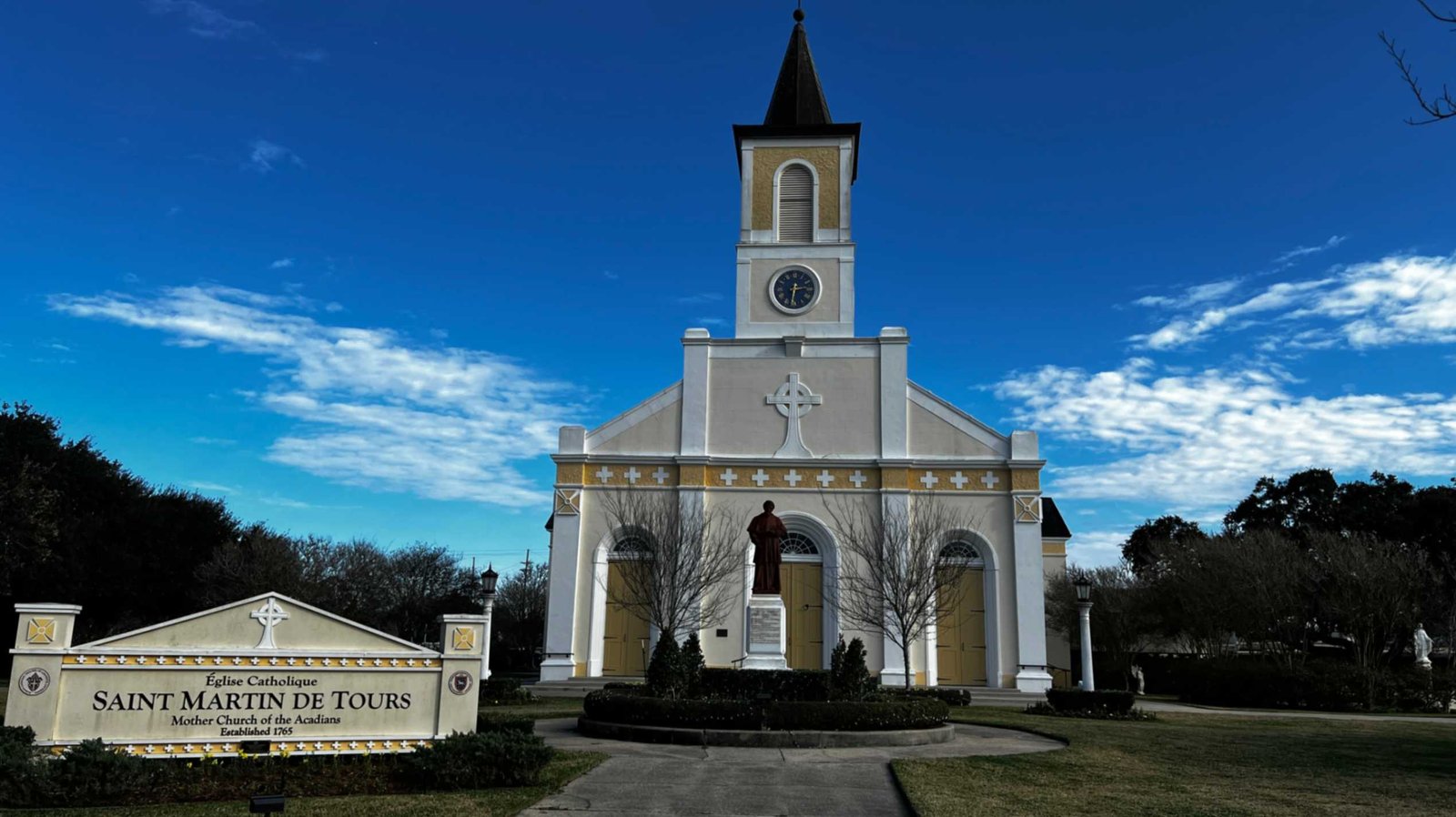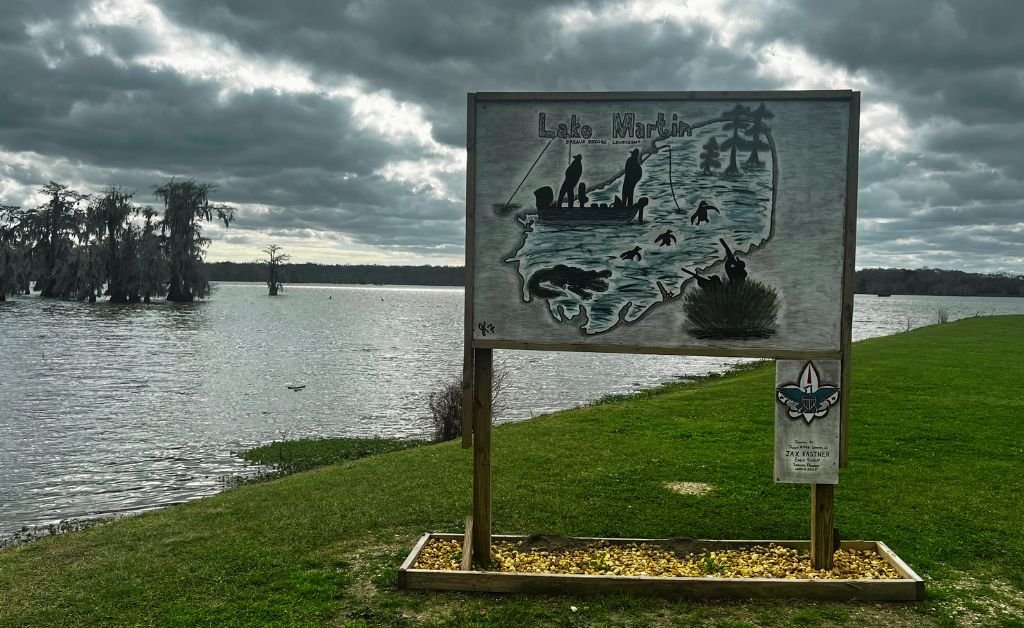
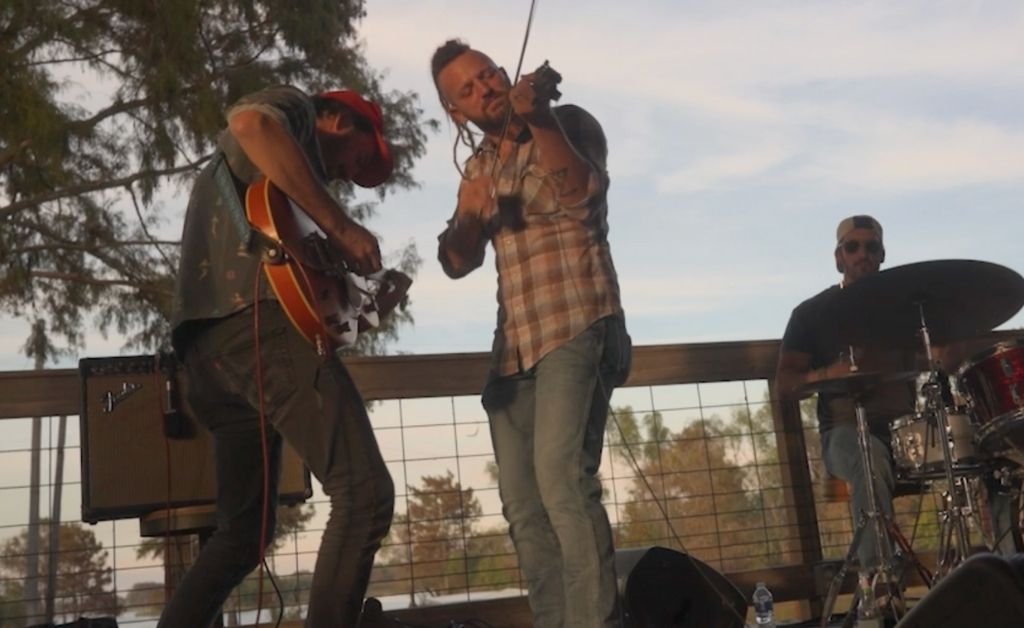
On any given Sunday, you can find the living, breathing heart of Cajun Country at Cypress Cove Landing in Breaux Bridge. The fiddle cries, the accordion drones, and the floor shakes with the synchronized steps of a community in motion. At the center of it all is Jourdan Thibodeaux, a musician, storyteller, and an ambassador for a culture he refuses to see fade away.
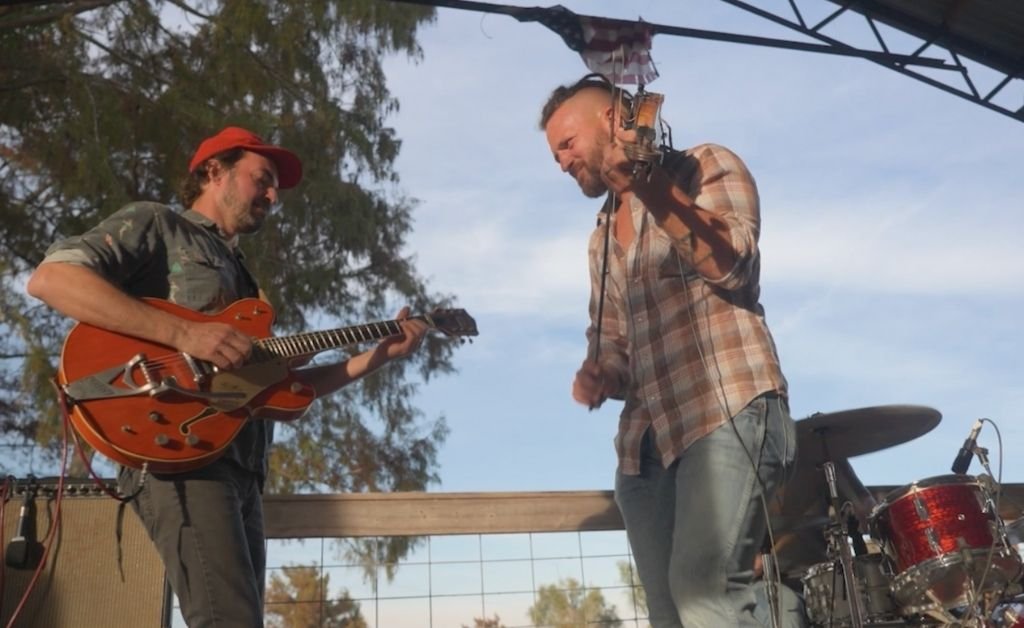
From the stage with his band Les Rodailleurs to his role as a Cultural Ambassador for Louisiana, Jourdan electrifies crowds with an energy that is both infectious and deeply rooted. I sat down with him on a quiet Sunday in January, away from the crowds, for a conversation about music, memory, and the mission to keep something precious alive.
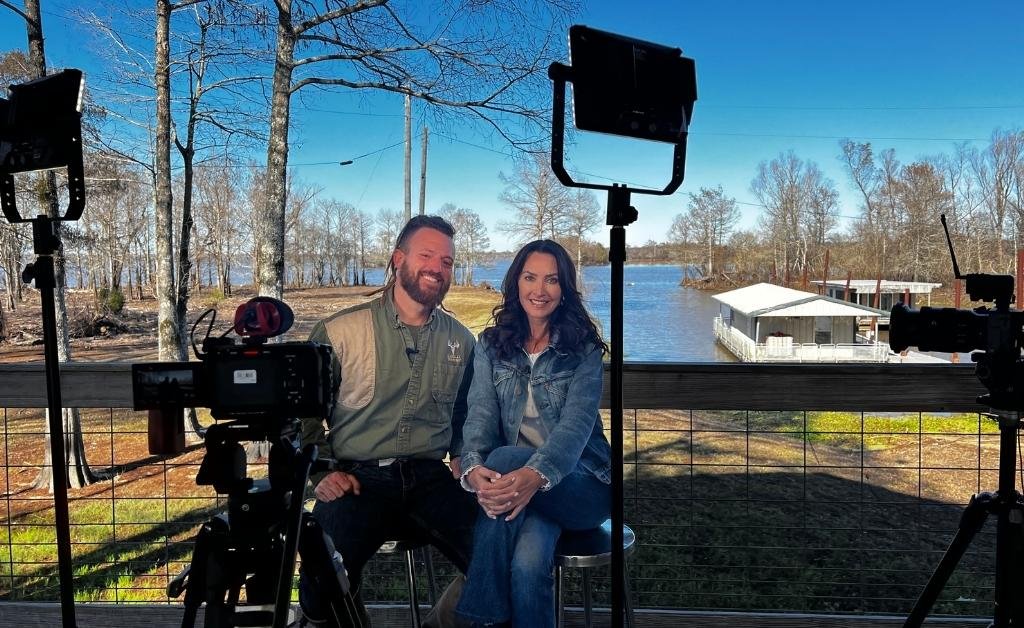
KAREN: Here we are at Cypress Cove Landing and you are a co-owner of the place. What is there to see and do for visitors?
JOURDAN: A lot. So the main draw for most people every week is a big cultural dance. We play French music every Sunday. We have hundreds of people show up from everywhere, including our local community. We’ve gotten to the point where we’ve got tourists coming in from all over the world. We also offer houseboat rentals for people to stay in and guided alligator hunts.
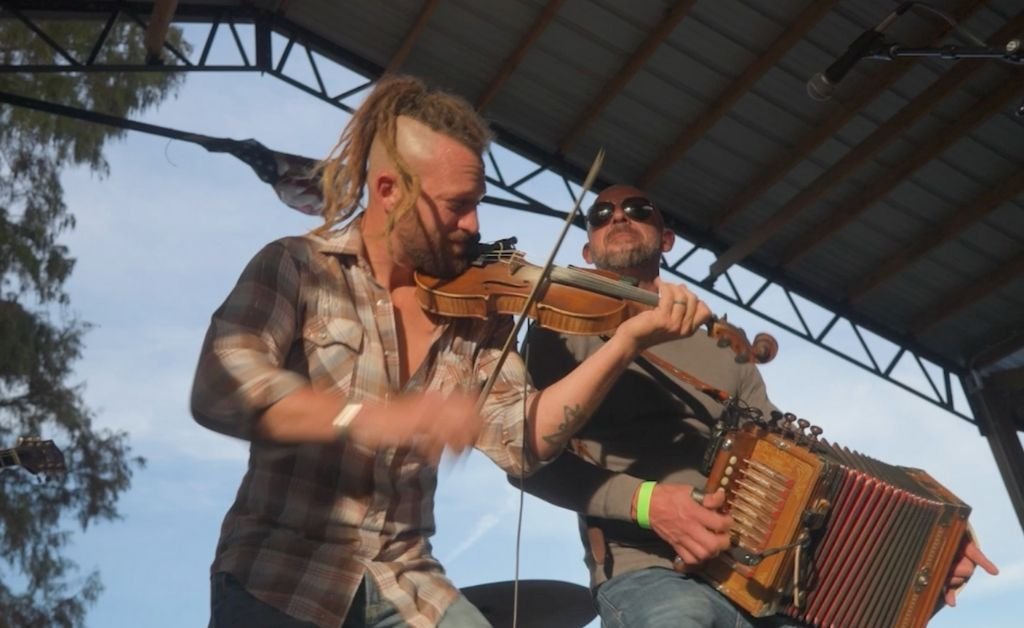
KAREN: We were at one of those parties, and this dance floor was full of people and you were everywhere, up and down the stage, dancing and singing and playing music. I mean, your energy is infectious. When you’re on stage here, what is your soul saying to the people out there through your music and your storytelling?
JOURDAN: I guess it depends on the song. All of my songs are stories about my real life. They all mean something to me. At the end of the day, I like celebrating who we are. I feel like I grew up with a whole generation before us that was kind of doing everything they could to Americanize our culture. I watched a lot of my peers do that, and I never felt the need to do that. I was always proud of who we are. I thought it was awesome. The more I’ve traveled, the more I’ve gained a greater appreciation for the uniqueness of South Louisiana, and the more I celebrate it. All of our dances are a big celebration of who we are. I get to do that with my community.
KAREN: Where’d you learn to speak Cajun French?
JOURDAN: At home, my grandma spoke French every day. I was raised for the most part by my grandma. I also learned from all the old men. When we would work on the farms, I’d go hang out at the sale barn, and all those old guys would talk French. When we were kids, everybody in this area talked French and sadly, the majority of French speakers are gone. My favorite thing about having Cypress Cover Landing is that I still get to talk with a lot of old fishermen. Those old guys will still talk in French with you. Now, if you go into town and it’s hard to find people who speak French.
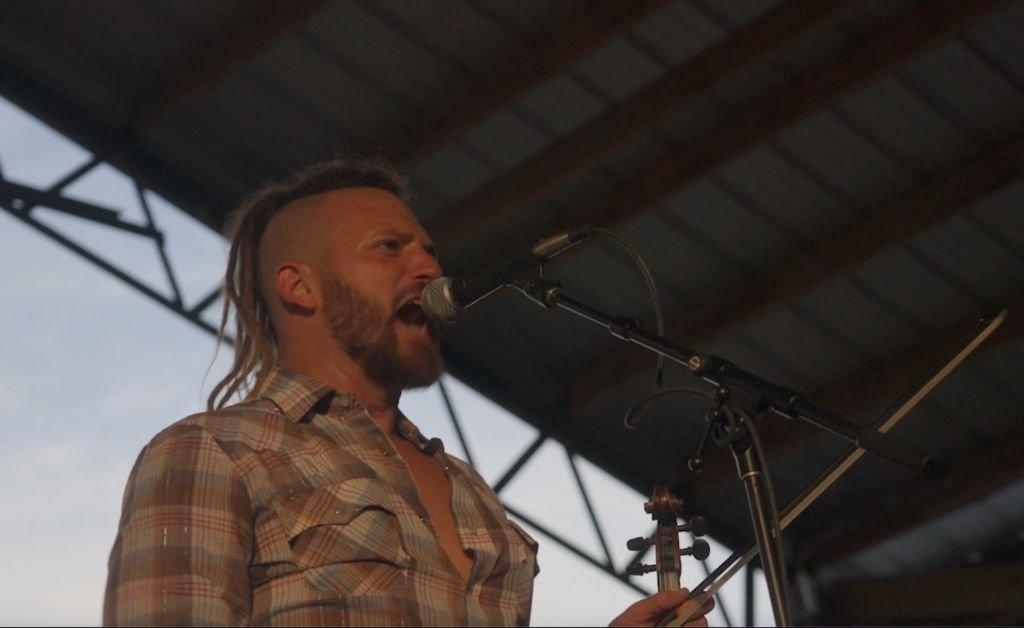
I always liked the music. My family played music. They didn’t play French music, but they played music, and my grandma and I would listen to the French dance music on TV every week. We’d sit and dance in the living room. She couldn’t really dance, so I stood next to her chair and danced. It was something special to me and I made up my mind that I wanted to learn to play music. So I sat at the house and just practiced until I could play a song or two. I went and sat with Mitch Reed and learned many songs from him. Once you learn enough, it just clicks one day.
KAREN: You play the fiddle and what else do you play?
JOURDAN: I know a little accordion, some drums, and some guitar. I’m not great on anything. I
KAREN: Is it all self-taught?
JOURDAN: Yeah. I don’t know notes or chords. I just play what it sounds like.
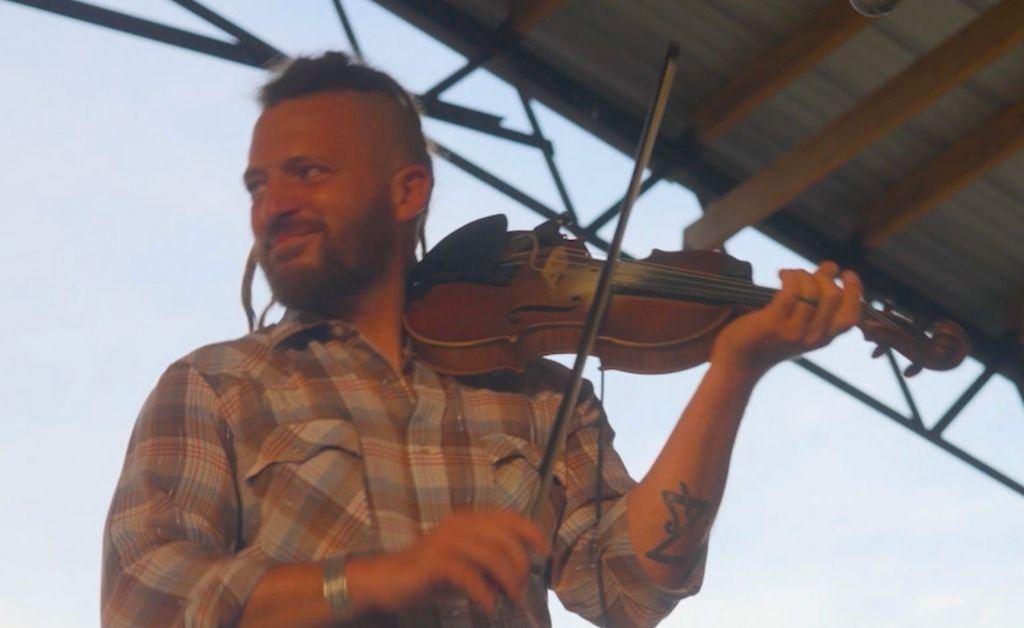
KAREN: That’s heritage music. No one’s formally trained, right? All the great Cajun musicians, the legends were not formally trained. They learn from their parents and their grandparents and the songs were not written down. They were learned by tradition and by ear. That’s what makes the music so special and so beautiful.
JOURDAN: Because you get different variations of each song from town to town, right? Old people might have gone to see a live music show in Rayne, but maybe they lived in Crowley. So, they heard a song for the first time and they really enjoyed it. There’s no way to record it. So they are trying to remember it in their head. They go back home, and by the time they get there and try to play it well, it ends up having a little variance. The result is a song that evolves with each person by adding a little piece of their interpretation and personality into how it’s played. I like that.
KAREN: Did you set out to be a culture keeper for Cajun culture?
JOURDAN: No, Not at all. I just don’t want to keep watching things go away. That’s it. I mean, that’s all there is to it. I’ve said it for years, for a really long time. People used to come to me, and they’d be like, ” Aww, that’s so cool. You are one of the only people, the last people your age speaking Cajun French.” There’s nothing cool about that. That’s not cool to me. I don’t think that’s cool whenever you say that. I know that’s meant to be a positive, and it’s meant to be like, you know, kudos, but to me it was just heartbreaking.
KAREN: As we’ve been traveling across St. Martin Parish and St. Landry Parish. We spent time at La Poussiere Cajun Dance Hall in Breaux Bridge and talked with the owner, Lawrence Patin. He spoke of the dance hall’s heyday and said now business is slowly dying off because the culture around it has changed. I spent some time with Marc Savoy, the owner of Savoy Music Center in Eunice. He was Cajun when Cajun wasn’t cool. He said that Louisianians have this passive indifference to our culture. It’s something that he fought against in the 60s, and then the world began to catch on to Cajun music and food. Now, Cajun is celebrated worldwide, but it’s also commodified and commercialized. People like you keep it grounded and keep it real.
JOURDAN: Marc and I agree on a lot of things. Mr. Marc and I get along really well. I love the light he shone on our culture. At the same time, once you get into the commercialization and the commodification, it’s really pretty aggravating, because then you’re always going to get bogus versions of everything. It’s like, what’s the cheapest, quickest, easiest thing we can sell? I don’t want to microwave my jambalaya. That’s weird to me, because the culture of cooking jambalaya is that we all stand around the pot and cook together. It’s a communal event. Food is such a big thing to us. I didn’t realize that wasn’t how everybody lives until about ten years ago. I was talking with someone about the difference in being invited to dinner in South Louisiana versus elsewhere. In other cultures, when people invite you to supper, you get there, and then you sit down to eat. In South Louisiana, you arrive for supper and nobody has even started cooking because that is part of the experience. We stand around and cook because that’s the event. It’s the community that creates that shared experience of cooking and eating together. I don’t want little plastic overseas-made versions of who we are as people. It’s pretty annoying to look at.
KAREN: So from where I sit, I think of you as an edgy Cajun. There’s almost a rock star quality to you. Do you think of yourself in that way at all?
JOURDAN: No, definitely not. No, I’m a mess. Look, I’m full of mud. I literally just came out of the swamp this morning.
KAREN: I’ve got to ask about the hairstyle. It’s part of your signature look. There’s got to be a story behind it.
JOURDAN: Not really. My hair was pretty long, and I was trying to decide what to do with it. I was doing some research on different genealogical stuff. I was doing a lot of research on the Kaskaskia people at the time, who are some of my ancestors. They are part of the Illinois nation. There’s only one good depiction of a Kaskaskia man, because the tribe is gone, and his hair was styled like the way I currently wear it. So I just went with that. My hair has actually been a little aggravating because people keep asking if it’s inspired by the Vikings. I have nothing to do with Vikings.
KAREN: In a perfect world, what would you like to see happen through your music and through your outreach in terms of preserving and promoting the Cajun culture?
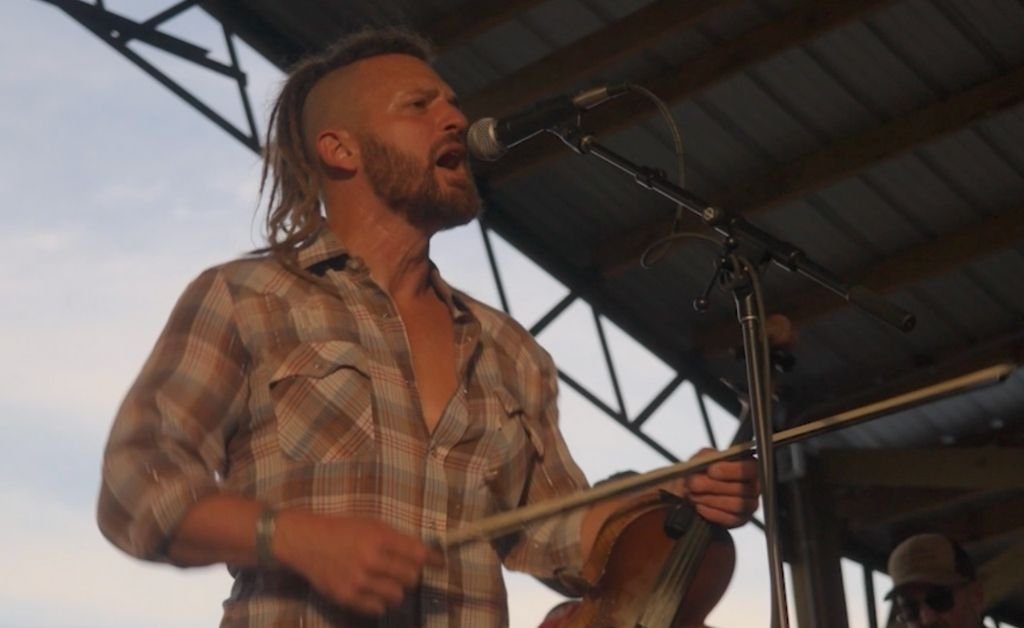
JOURDAN: In an ideal world, if I could live in Fantasyland, everything in this area would be the same as it was when I was a little kid. I know that’s unrealistic. The world changes. Things move forward. I visit as many schools as I can to share our Cajun culture. Any time someone asks me to talk to schoolchildren, I will if I can. It’s really difficult to spread appreciation and awareness in middle schools because no matter what you do, you’re the least cool human alive. I remember being a kid, and those old guys would play music for us. If you inspire one child to take pride in our culture, then you did something meaningful. I can remember looking at Wayne Toups on stage and being so inspired and proud of our culture. When it comes to music, if one little kid thinks, maybe one day I’ll play an instrument or sing music or speak the French language, then I’ve made a difference. It’s the exponential growth of the future generation carrying forward our culture that’s always been my objective.
JOURDAN: I think it’s wildly important that the people from Louisiana realize what we have because I know for a fact they don’t. You can see it in how they spend their money. They have no idea of the richness of our cultural, culinary, and ecological heritage. We really live in a very special place. When I was growing up, we didn’t have much. We didn’t travel. We never went on vacation. We didn’t do those kinds of things. As a grown man, I travel a lot, touring with my band and doing outreach as a cultural ambassador. I’ve been to every state and many countries. When you travel, you realize that we have something awesome. I feel like a lot of people don’t realize what they have in their own backyard because maybe they just haven’t seen enough. I’ve had a lot of friends who wanted to move away as soon as they turned 18, and they did. The vast majority of them return to Louisiana in their 30s. I think so many people don’t realize how amazing all the little towns across Louisiana are. It’s a very unique place. It’s very special.
KAREN: Amen to that. You’re singing my song.
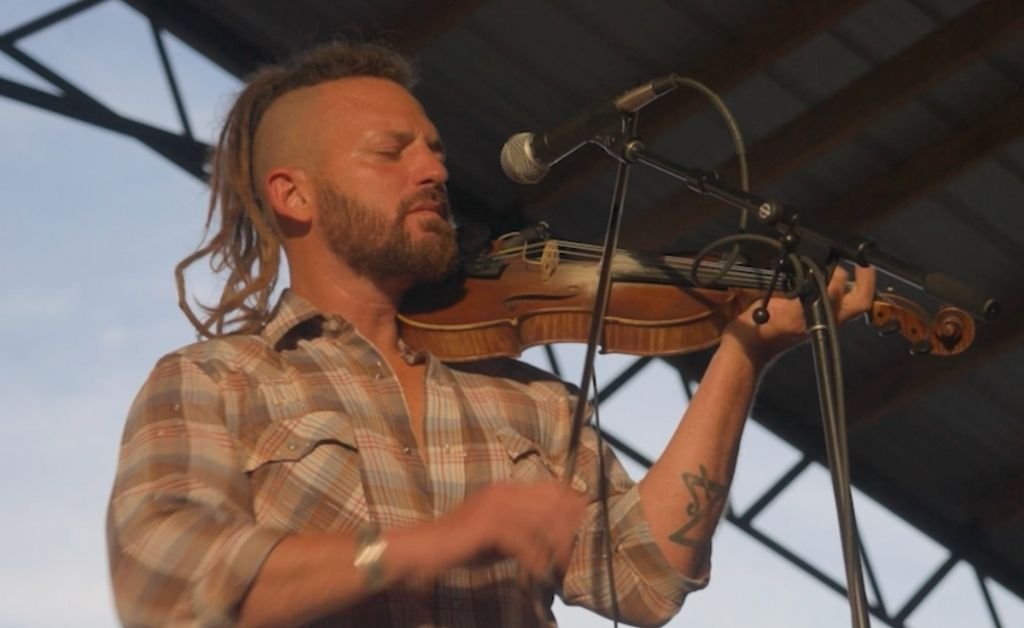
JOURDAN: Our food and music are two of the best representations of the culture and the region’s history. We’re very different from the rest of the South. You can see that in the music. It’s a clear mix instrumentally, rhythmically, lyrically; everything is a mix of French, West African, native, and Spanish people. The point is, you can see all these different things that came together and created one unique thing, versus the tribalism that exists today, where people have such divisive mentalities. We had hundreds of years of history in which people lived together, creating music and food. Our music and our food evolved organically from many influences.
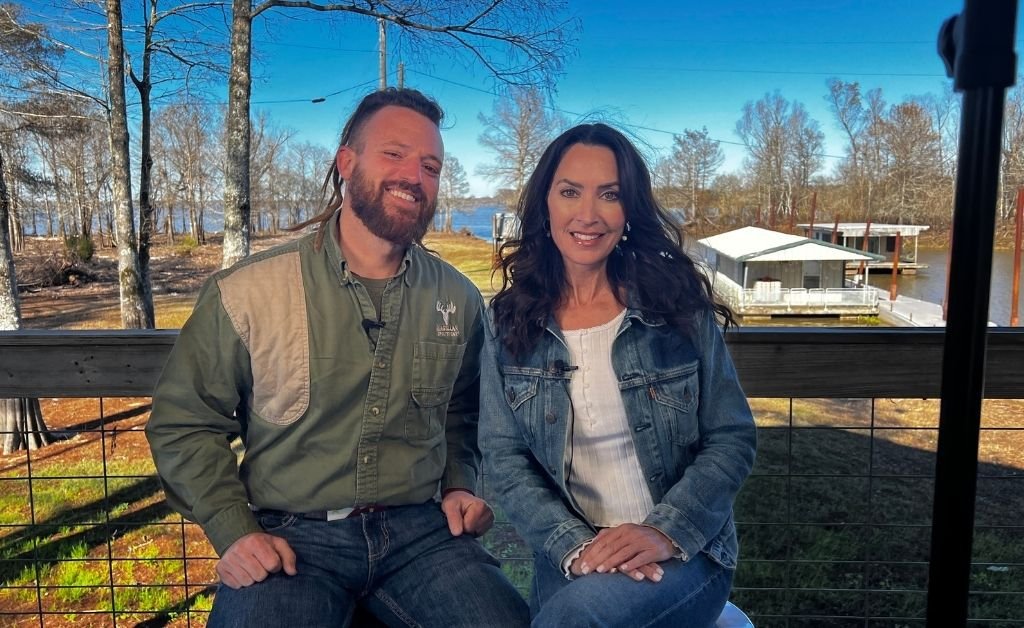
JOURDAN: One of our region’s best assets is the Atchafalaya Basin It’s the largest swamp in North America with 1.4 million acres of pristine nature. It’s a big part of my life. Here in St. Martin Parish, we also have a lot of really good food, including the best crawfish etoufeee, great music, and good people.
Experience Your Destination with Plannin
Travel is more than sightseeing—it’s about immersion. With Plannin, you can:

✅ Discover authentic adventures, culture, history & cuisine
✅ Unlock hotel deals worldwide at exclusive rates
✅ Book everything in one place—fast and hassle-free
Turn your next trip into a story worth sharing.
Plan your journey with Plannin today.
Read More:
The Savoy Family of Musicians: Louisiana’s Culture Keepers
Sabine Free State Festival: A Celebration of Louisiana’s Lawless Past
Honoring Legends on the Northeast Louisiana Music Trail