This post may contain affiliate links, which means I may earn a small commission from purchased products at no additional cost to you.
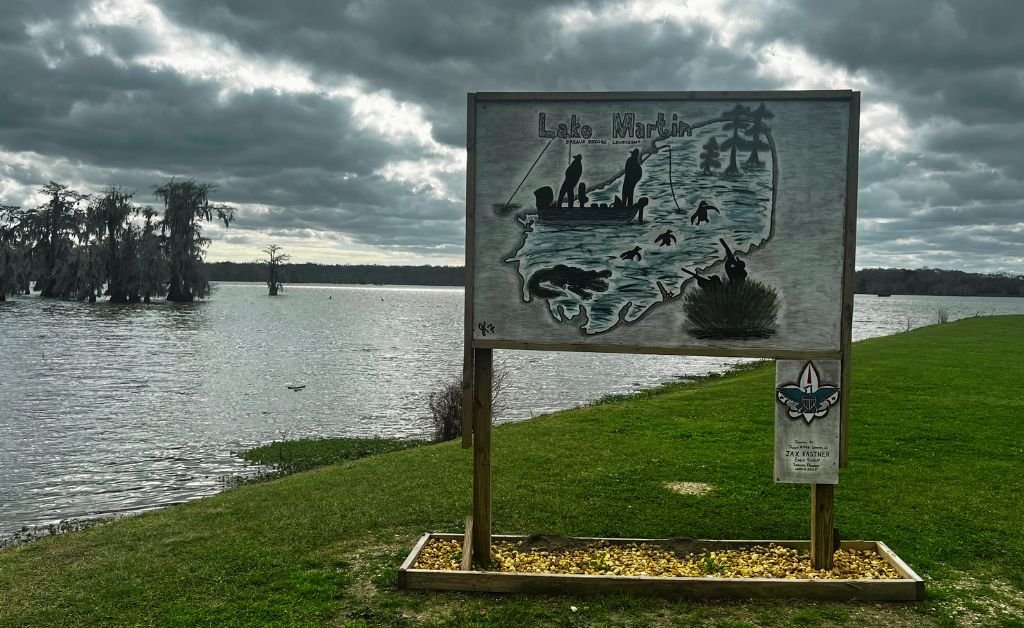
Just outside Breaux Bridge, in St. Martin Parish, there is a place where Louisiana slows down enough for you to notice the details. Lake Martin does not announce itself. It reveals itself, one ripple, one birdsong, one breath at a time. Out here, the cypress trees rise straight from the water, their roots anchored in stories older than the roads that brought me here. Spanish moss hangs like lace, softening everything it touches. And the water does not rush. It reflects.
This is one of Louisiana’s most important bird rookeries, and you can feel it in the air. Egrets lift off in quiet formation, herons glide low across the surface, and somewhere deeper in the trees, life hums just out of sight. It is not a performance. It is a rhythm. And if you are still long enough, you fall into it.
But Lake Martin is not just about what you see. It is about what you understand. This landscape has shaped the people who live here. In Cajun country, water is not a backdrop. It is a way of life. It dictates how you move, how you gather, how you cook, how you tell stories. The same waterways that feed this lake have carried generations of culture right along with them.
I thought about that as I stood at the edge of the water on a chilly January morning, ready to see the lake from a kayak.
Table of Contents
Pushing Off with Pack and Paddle
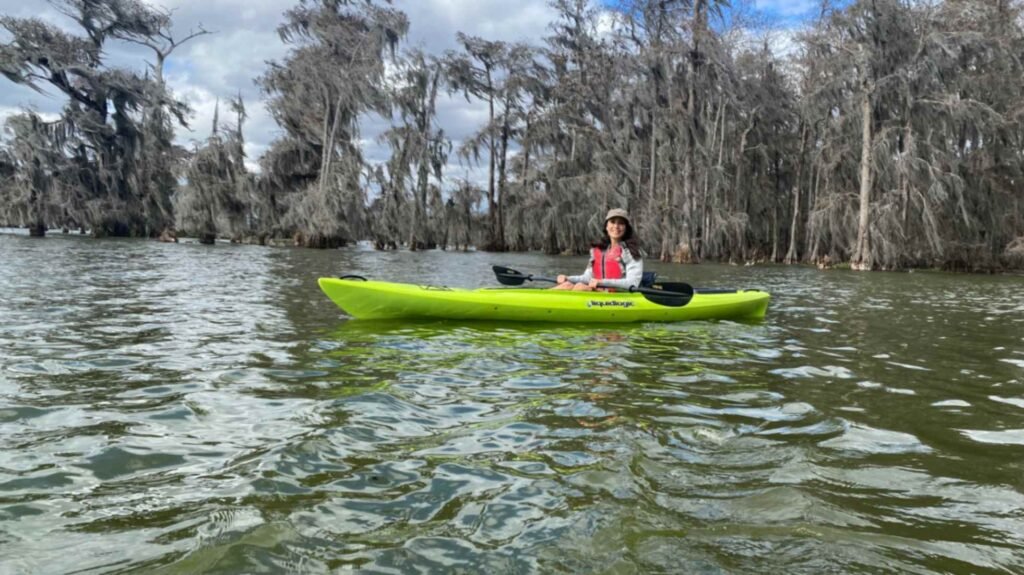
My guide for the morning was Mike VanEtten with Pack and Paddle. He is an expert for photographers wanting to capture the lake and its wildlife, and over the years he has personally taken thousands of photos from past kayak trips and hikes, documenting birds, turtles, alligators, snakes, wildflowers, scenic places, and the paddlers who share this water with him.
Before we pushed off from the shore, I asked Mike what I could expect to see on a winter morning like this.
In the wintertime, it is going to be more of the wintertime look. The Spanish moss is still on the trees. This lake is good for wildlife. We should see some birds. We may see a gator or two, but a lot of the alligators do not like the cold water and the cold air. There are a lot of turtles here too. — Mike VanEtten
That honesty set the tone for the morning. Winter on Lake Martin is not about the high drama of spring nesting season. It is about subtlety, about seeing the bones of the landscape, the architecture of the cypress trees, the way the light filters through the moss when the sun finally climbs high enough to warm your shoulders.
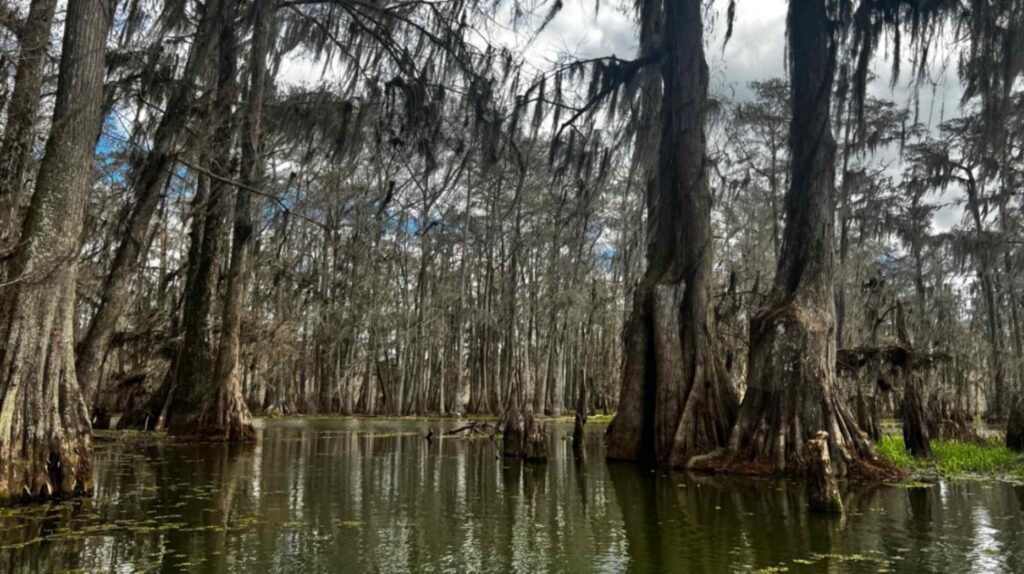
We slid our kayaks into the water, and within minutes I understood what Mike meant about the wintertime look. The lake felt still, almost suspended. The Spanish moss draped the trees like old lace, and the water held the silence like something precious.
The Haunting Mystery of a Cypress Tupelo Freshwater Swamp
As we paddled farther from the launch, I found myself saying aloud what I was feeling. There really is a haunting beauty to Lake Martin.
Definitely, and it is very mysterious. In the fall when you get fog in the morning, it can be very mysterious looking. You can see a lot of birdlife, including red bellied woodpeckers. Lake Martin is a lake with swampy edges. It is a cypress tupelo freshwater swamp because cypress and tupelo are the dominant trees out here. — Mike VanEtten
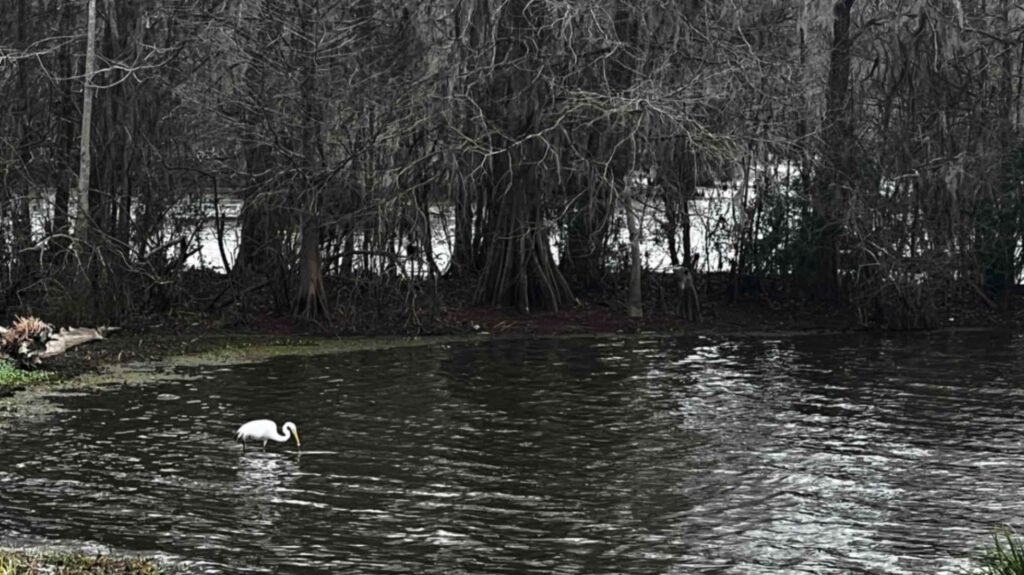
Mike went on to explain the landscape we were moving through. The lake spans roughly 900 acres and is mostly rain-fed, meaning its water level rises and falls with the weather patterns that move through Cajun Country. In the early 1950s, a small levee was built around the lake, altering its relationship to the surrounding land. Today, the Nature Conservancy is a significant landowner here and maintains a hiking trail around Lake Martin. The trailhead is accessible from the east side of the lake off Rookery Road, a good option for those who prefer to explore on foot.
I looked out across the water and tried to imagine what this place looked like before the levee, before the roads that brought me here. The cypress trees did not seem to care either way. They had been here all along.
The Cypress Knees That Rise from the Water
Mike guided my attention to the water around us, where knobby wooden protrusions broke the surface near the base of nearly every cypress tree. He explained that most trees do not make these structures, but cypress trees do. They are called cypress knees, and they are connected to the roots, part of a system that allows these trees to thrive in the waterlogged environment of the swamp.
I paddled closer to examine one. The knee rose about two feet above the water, its surface weathered and textured like old leather. It was not a branch or a root but something in between, a mysterious adaptation whose purpose scientists still debate. Some say they help with oxygen exchange. Others believe they provide stability in the soft, saturated soil. Whatever the reason, they give the swamp a sculptural quality, as if the trees are reaching up from below to touch the surface.
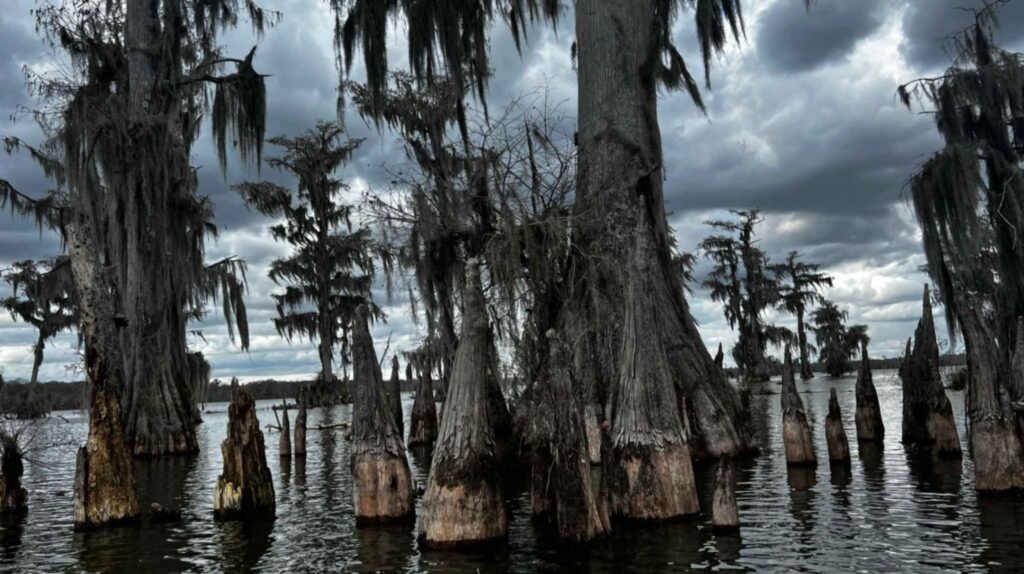
We paddled past more of them, some small and just breaking the surface, others substantial enough to seem like small creatures surfacing from the depths.
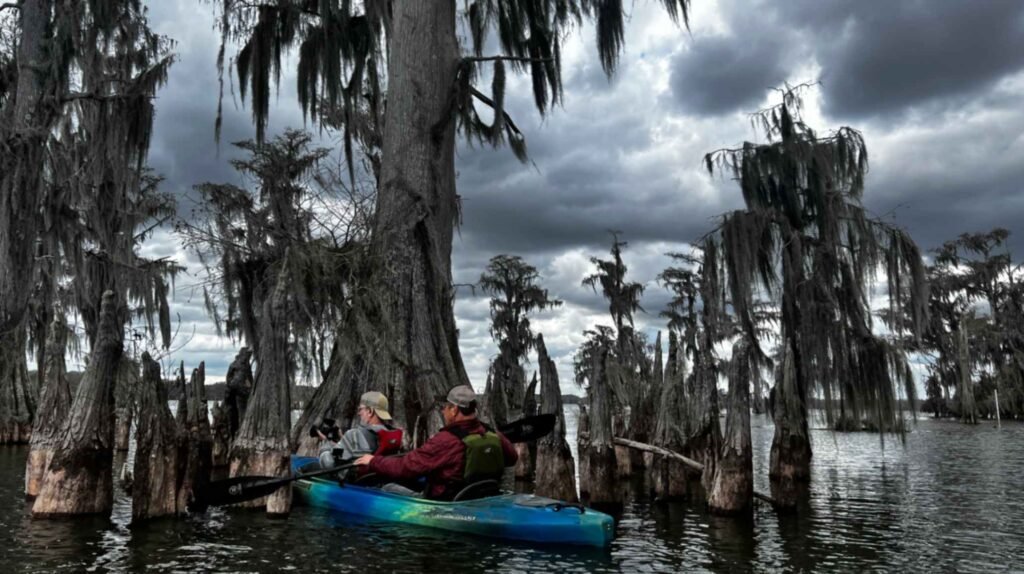
An Alligator on a Log and an Osprey Nest in the Branches
Leaving the quiet grove of cypress knees behind, we rounded a bend in the lake, and Mike spotted something ahead. He gestured for me to be quiet. There, on a fallen log near the water’s edge, was an alligator sunning itself. It was not a large one, perhaps five or six feet long, but it was unmistakable with its armored back and patient stillness.
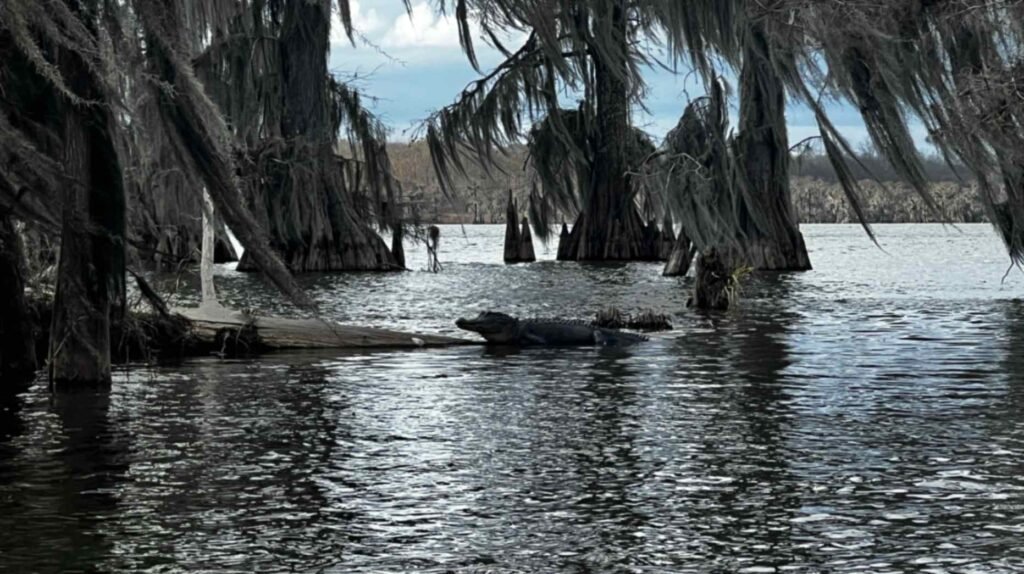
We paddled closer slowly, careful not to make sudden movements or loud noises. The alligator did not seem bothered by our presence. It held its position on the log, soaking up whatever warmth the January sun could offer. I reached for my camera and took several photos, grateful for the opportunity to see one of these ancient creatures in its natural habitat, even on a chilly day when most of them were hibernating beneath the cold water.
Nearby, we spotted an osprey nest high in the branches of a cypress tree. The nest was massive, a collection of sticks and branches woven together into a platform strong enough to support a family of birds. It was empty at this time of year, but I could imagine the activity that would surround it come spring, when the ospreys return to raise their young.
The 500‑Year‑Old Cypress Tree
We continued paddling, and soon Mike guided me toward a tree that stopped me mid‑stroke. It was a bald cypress, but unlike any I had seen before. Its base flared out into massive buttresses that seemed to anchor it to the very foundation of the lake. The trunk was enormous, wider than my kayak was long.
I paddled up close, tilting my head back to take in the full height of the tree. I asked Mike if he had any idea how old it might be.
I have been told the tree is over 500 years old. This is the largest tree trunk out here on Lake Martin that I know of. Your kayak is 12 foot long, and the base of that tree is about 12 foot across. — Mike VanEtten
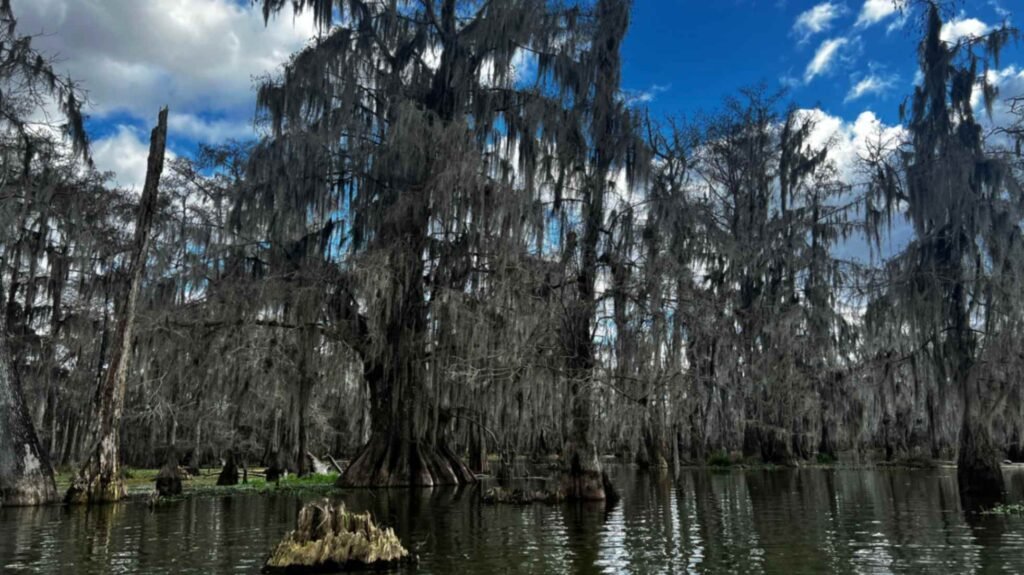
I sat there in my 12‑foot kayak, looking at the base of a tree that measured the same length across. Five hundred years. This tree was standing here before European settlers arrived in Louisiana. It had witnessed centuries of change, of flooding and drought, of birds nesting in its branches year after year. It had been here when the levee was built in the 1950s. It had been here when the Nature Conservancy began protecting the land. It would likely be here long after I was gone.
I stayed for several minutes, not taking photos, just sitting in the presence of something that old. The water was still. The moss hung silent from the branches.
Into the Bird Sanctuary
We paddled past more huge cypress knees after that, some standing nearly as tall as my paddle, and made our way toward a section of the lake that felt different from the rest. The trees grew closer together here, their branches interlacing overhead, and the sense of enclosure was almost complete.
Mike explained that we were entering an area that is restricted during nesting season. A sign near the entrance marked the boundary clearly: no boats from February 15 to July 31st.
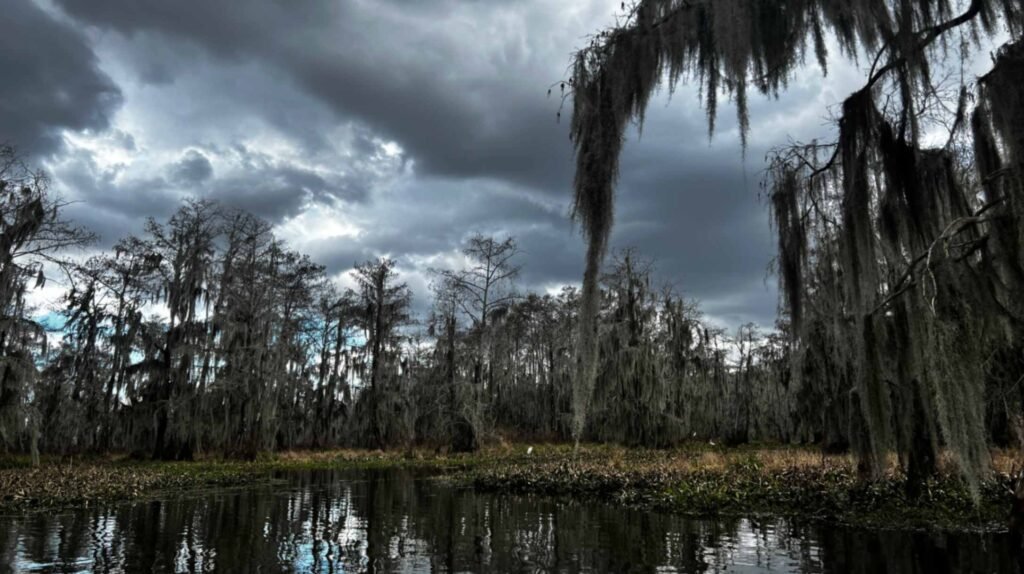
The birds just like it here on this end for nesting, so they protected this area. — Mike VanEtten
Even in January, I could feel why this place had been set aside. The water was quieter here, if that was possible. The light filtered through the branches in soft, dappled patterns. And the sound of the swamp changed.
We began to hear them: cormorants. Their calls were guttural, croaking sounds that echoed through the trees and bounced off the water in ways that made it impossible to tell exactly where they were coming from. The sound was prehistoric, ancient, a reminder that this place had been a refuge for birds long before it was protected by signs and regulations.
Mike told me what this sanctuary becomes when spring arrives.
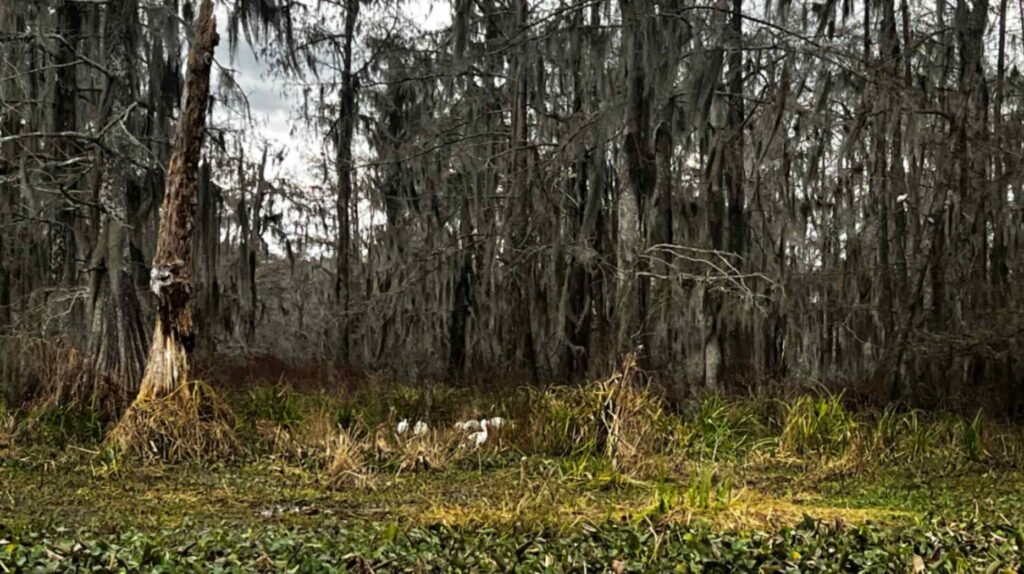
In March, April, and May, it is going to get very noisy in here with all the birds that are nesting, a lot of activity in the spring and early summer. — Mike VanEtten
I tried to imagine it: the air thick with wings, the sound of hundreds of nesting birds filling the sanctuary, the chaos and color of new life erupting in this quiet swamp. It was hard to picture on that calm January morning, but I trusted what Mike said. He had seen it many times.
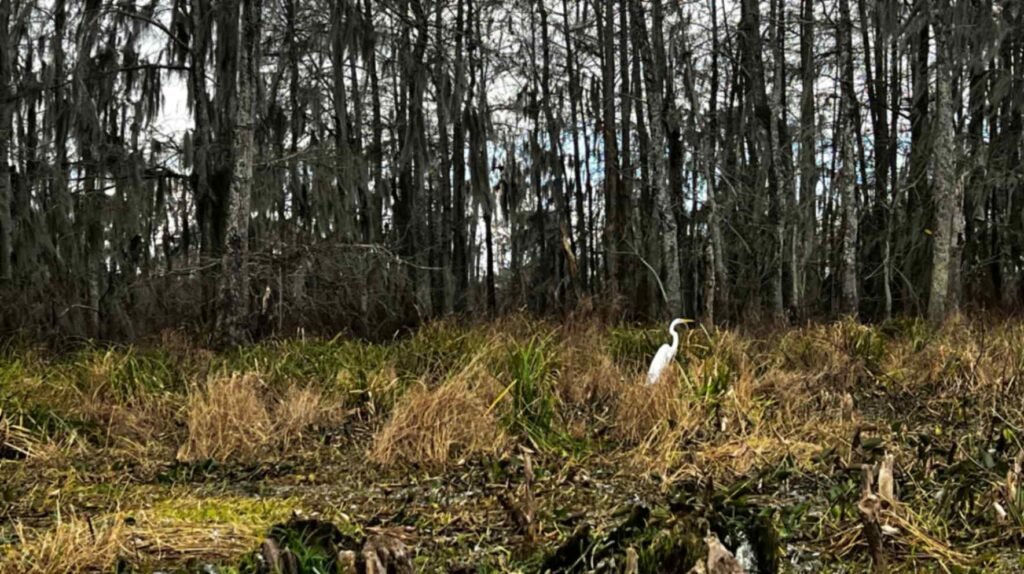
As we paddled through the sanctuary, we spotted white ibises wading in the shallows, their curved bills probing the water for food. Great blue herons stood like statues among the cypress knees, waiting with the patience of creatures that have no concept of time. And the cormorants, perched on branches with their wings spread to dry, watched us pass with dark, curious eyes.
The Rhythm of the Swamp
As we paddled back toward the launch, the sun had climbed higher and the chill in the air had softened. The water still held its reflections, and the Spanish moss still hung like lace from the branches. But something had shifted in me. I had arrived expecting to see wildlife and scenic views. I was leaving with something else.
There is something very mystical about the scenery on Lake Martin, and it is so peaceful. I thought about what Mike had said earlier about the mysterious quality of this place. On that January morning, with the chill still in the air and most of the alligators hibernating beneath the mud, the peacefulness was absolute. The lake held its secrets close, revealing just enough to make me want to come back in the spring, in the summer, in the fog of fall.
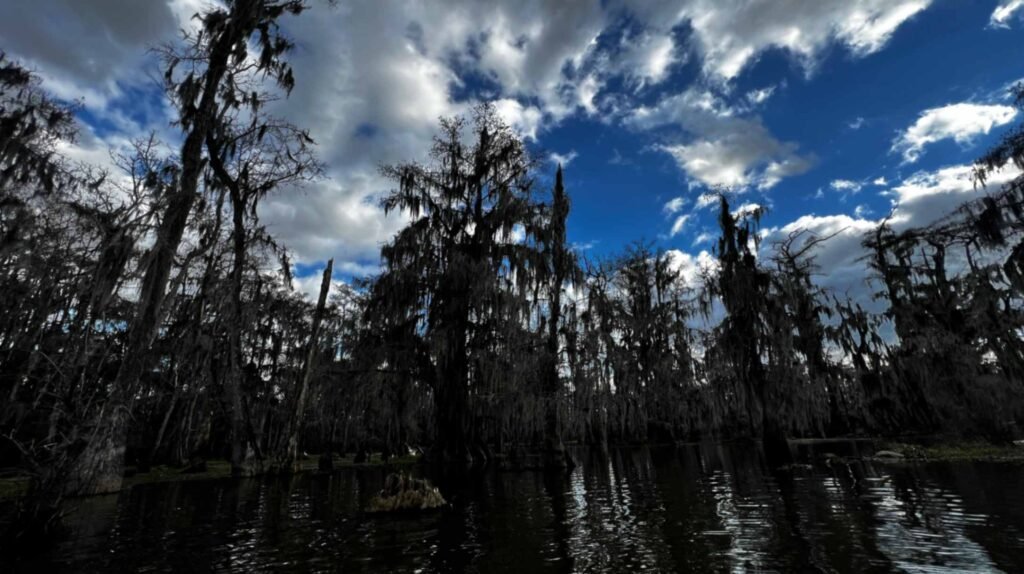
But I also knew that what I experienced that day was not a lesser version of Lake Martin. It was a different version. A quieter version. A version that asked me to slow down, to listen, to look at the 500‑year‑old cypress tree and understand what it means to be rooted in one place for that long.
The Water That Carries Culture
I think about that morning often now. Not just the alligator on the log or the cormorants calling through the sanctuary, but what Mike said about the lake itself. Cypress tupelo freshwater swamp. Nine hundred acres. Mostly rain‑fed. A small levee built in the 1950s. The Nature Conservancy protecting the land today.
These details matter because they tell a story about how Louisiana works. The water shapes everything. It determines what grows here, what nests here, what thrives here. And the people who live in Cajun Country have learned to move with the water, to gather from it, to cook with it, to tell stories about it.
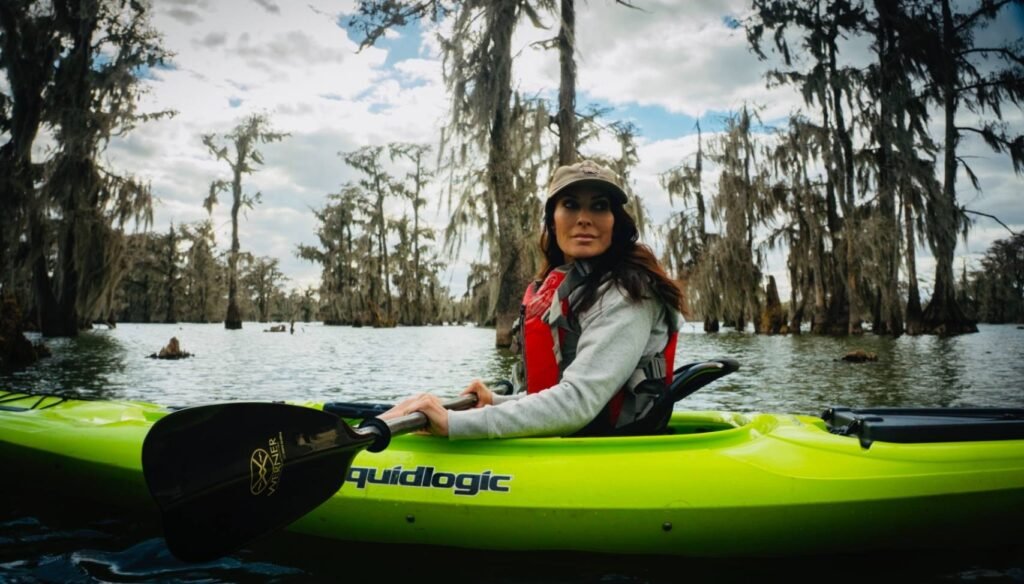
Lake Martin is not a museum or a monument. It is a living place, a working landscape, a sanctuary that shifts with the seasons and the weather and the birds that return to it year after year. On a winter morning, when the gators are sleeping and the moss hangs heavy in the still air, it whispers its story to anyone patient enough to paddle into the quiet.
And if you are willing to listen, it tells you everything.
Plan Your Visit
Lake Martin is located in St. Martin Parish, just outside Breaux Bridge, Louisiana. The lake spans approximately 900 acres and is accessible for kayaking, canoeing, and wildlife viewing. Pack and Paddle offers guided kayak trips with expert guides like Mike VanEtten, who specialize in photography and wildlife interpretation.
The lake features a hiking trail maintained by the Nature Conservancy. The trailhead is located on the east side of the lake off Rookery Road, offering an alternative way to experience the swamp on foot. A small levee built in the early 1950s surrounds the lake, and visitors should note that a section of the lake is designated as a bird sanctuary with boat restrictions from February 15 to July 31 each year.
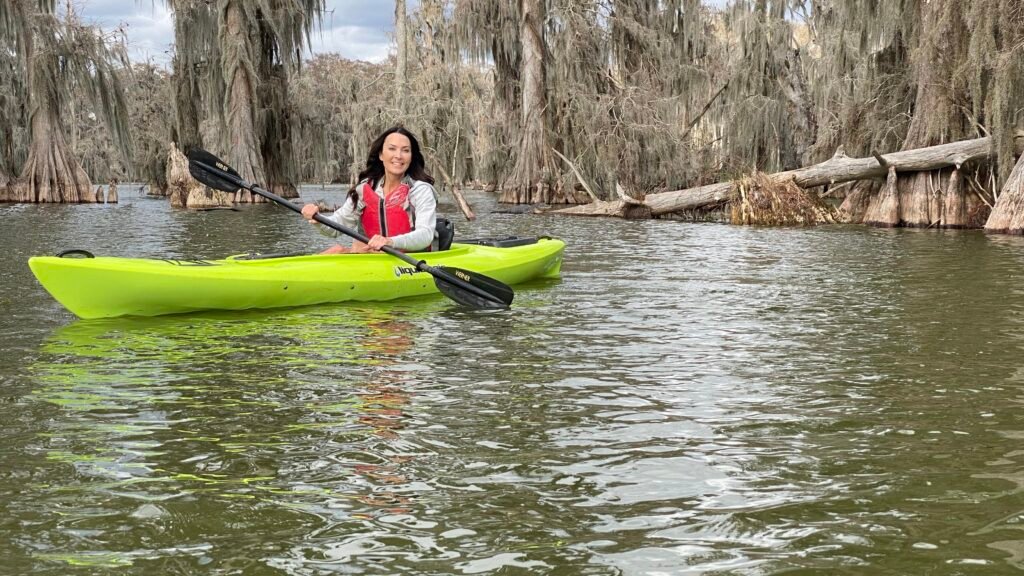
Winter offers a quieter experience with fewer alligators active due to cold water temperatures, making it an excellent time for paddlers who prefer solitude and the striking beauty of the cypress tupelo swamp in its more subdued season. Spring brings the nesting season, when the bird sanctuary becomes a symphony of sound and activity.
Whenever you choose to visit, go prepared to move slowly. Lake Martin does not reveal itself to those in a hurry. It reveals itself to those who are still enough to listen.
Also Read:
The Giant Omelette Celebration in Abbeville: A French Tradition in Cajun Country
Three Generations, One Seafood Market: The Temento Family Keeps Westwego Shrimp Lot Alive