This post may contain affiliate links, which means I may earn a small commission from purchased products at no additional cost to you.
Table of Contents
When I travel through Louisiana, I look for places that do more than offer a comfortable bed. I seek out accommodations that act as cultural doorways, places that help me understand the land, the people who shaped it, and the stories that still linger in the air. While exploring St. Martin Parish, that search led me to Maison Stephanie in Arnaudville.
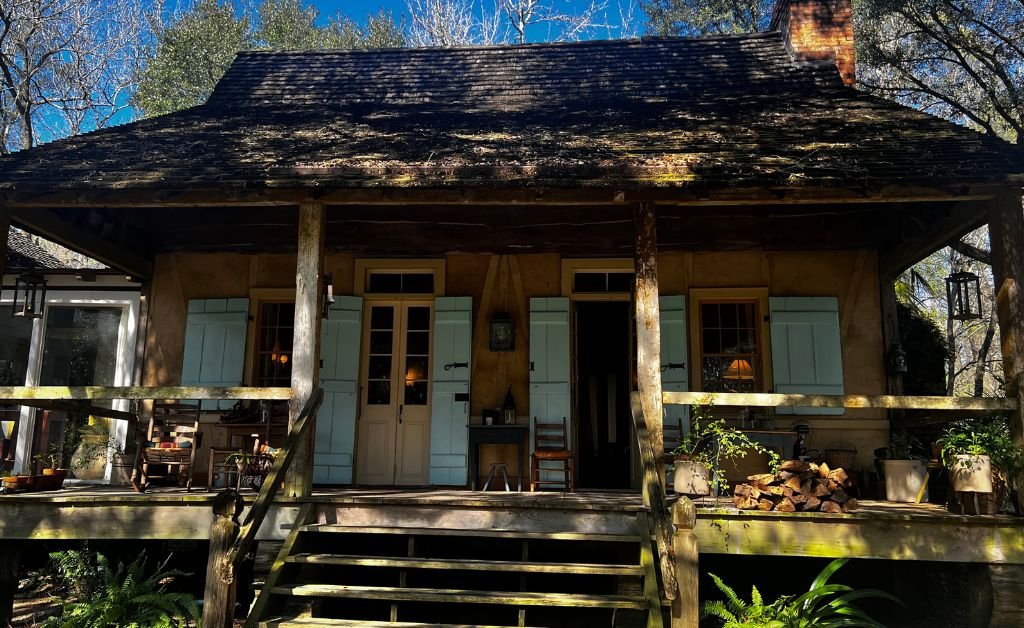
Tucked along Bayou Teche, this restored home dates back to 1796, when Louisiana was still under Spanish rule. Staying here felt less like checking into a bed and breakfast and more like stepping inside a living chapter of Louisiana history, one that continues to be shaped with care, intention, and respect for ancestry.
A Spanish-Era Home with Deep Louisiana Roots
Maison Stephanie was built in 1796 by Martin Duralde, a French Basque leader who served as commandant of the Opelousas Post from 1795 to 1803 and was a leading political figure in southwest Louisiana during the final years of the Spanish era. He later served as senator for the Attakapas in 1812, and his family’s legacy remains tightly woven into the region’s early history.
The property originated as a Spanish land grant. In 1784, the Spanish governor, under King Carlos of Spain, granted Duralde 1,500 acres as a trial to grow sugarcane and develop a breed of cattle suited to the wetlands.
At the time, cattle in the area were described as scrappy, but by the time Duralde died in 1822, he had developed prized livestock. In his will, the prices of his bulls were listed as non-negotiable, with some valued at $1,200, a remarkable sum for the era.
The house also carries personal ties to Louisiana’s earliest government. Duralde’s daughter Clarice married W. C. C. Claiborne in 1806. Their story reflects both political prominence and deep personal loss.
Claiborne’s first wife died of yellow fever. Clarice later gave birth to a son, W. C. C. Claiborne Jr., and died when the baby was only nine months old. Claiborne married a third time, and that wife also died of yellow fever, which was not uncommon in Louisiana at the time.
Restoring a Home and Sharing It with the Public
In 2019, Maison Stephanie entered a new chapter when Kenneth P. Douet and Richard Franklin Howes acquired the property and completed a full historic restoration.
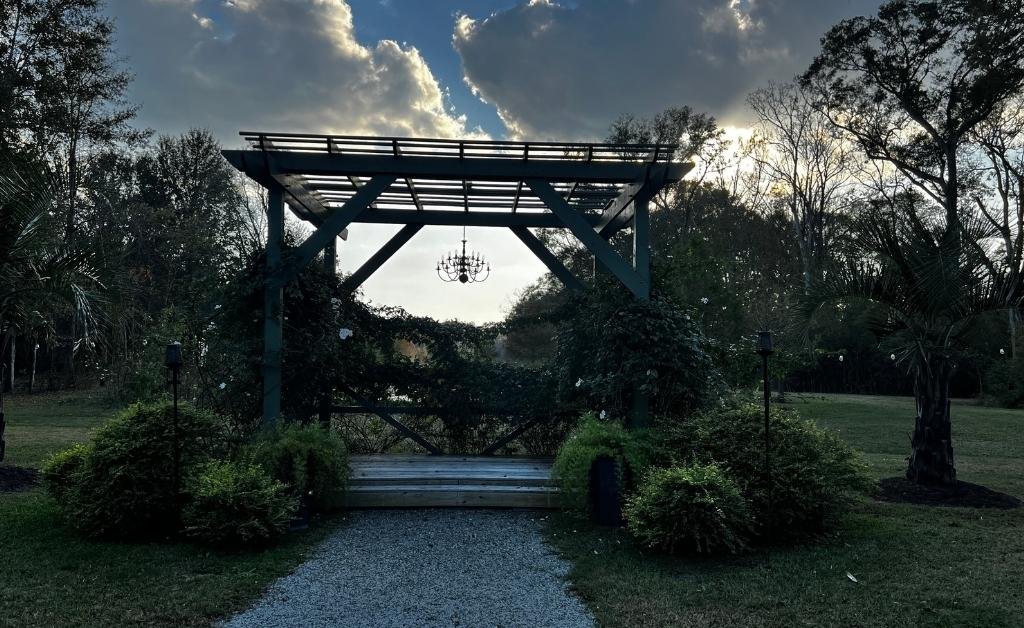
“The house was built in 1796, and we did a complete historic restoration in 2019.”
— Ken Douet
Ken, who was born in 1951, grew up traveling to Arnaudville to visit his grandparents and had been coming to the town nearly his entire life. He watched the house move through decades of disrepair before it finally came up for sale in 2018 and 2019.
“Seeing this house at different times in various states of disrepair, and finally seeing it available for sale, it was really exciting.”
— Ken Douet
Ken and Richard restored the home to a condition where they could move into the third floor and make it their residence, while also opening the rest of the house to the public as a bed and breakfast and special events venue. That balance is felt throughout the stay. Maison Stephanie feels lived in and welcoming rather than staged or formal.
Why It’s Called Maison Stephanie
The name Maison Stephanie does not come from a family member. There are no Stephanies among the many families who have owned the house over the centuries.
Ken explained that the name traces back to Martin Duralde himself.
“There are no Stephanies in any of the families who have ever owned the home. We are the tenth owners of this house. Martin Duralde was educated in France. He spoke French, Spanish, Greek, and Latin. To pay homage to Stefanos, the Greek god, he named the house Stephanie. The house is feminine in French, so it could not be Stefanos,”
— Ken Douet
The name remained until around the Civil War, when the property was purchased by the Huron Land Company, a Canadian company that acquired several plantations along Bayou Teche. At that point, the house briefly became known as Huron. Restoring the original name was part of honoring the home’s earliest identity.
Design Rooted in Land, Lineage, and Culture
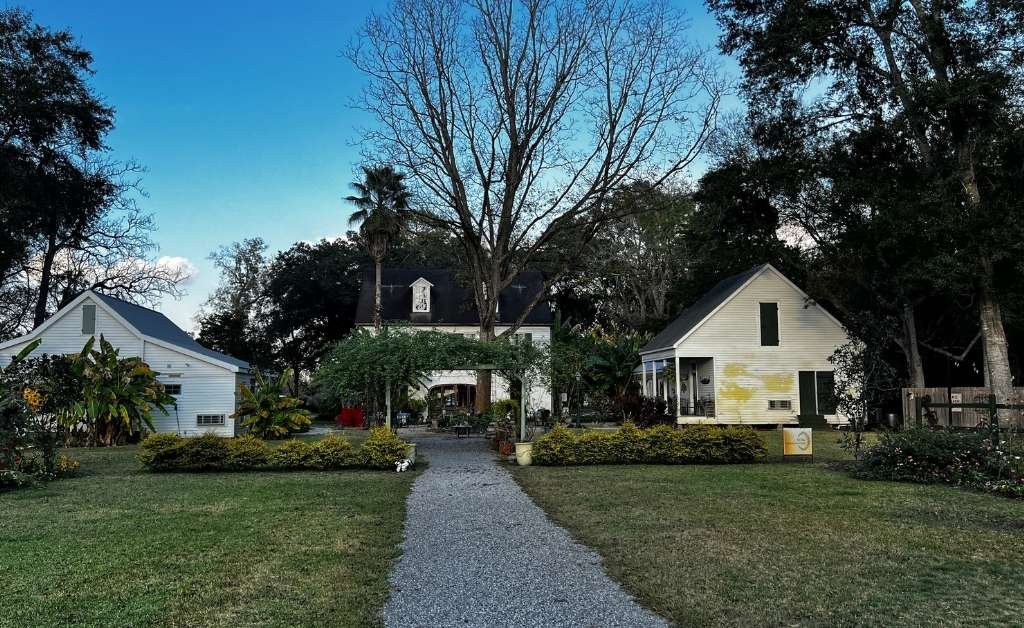
What makes Maison Stephanie especially meaningful is how intentionally it reflects the land and the many cultures connected to it. The grounds mirror the surrounding environment with flowering gardens, cypress trees, marsh elements, and a pond that anchors the property in its natural setting.
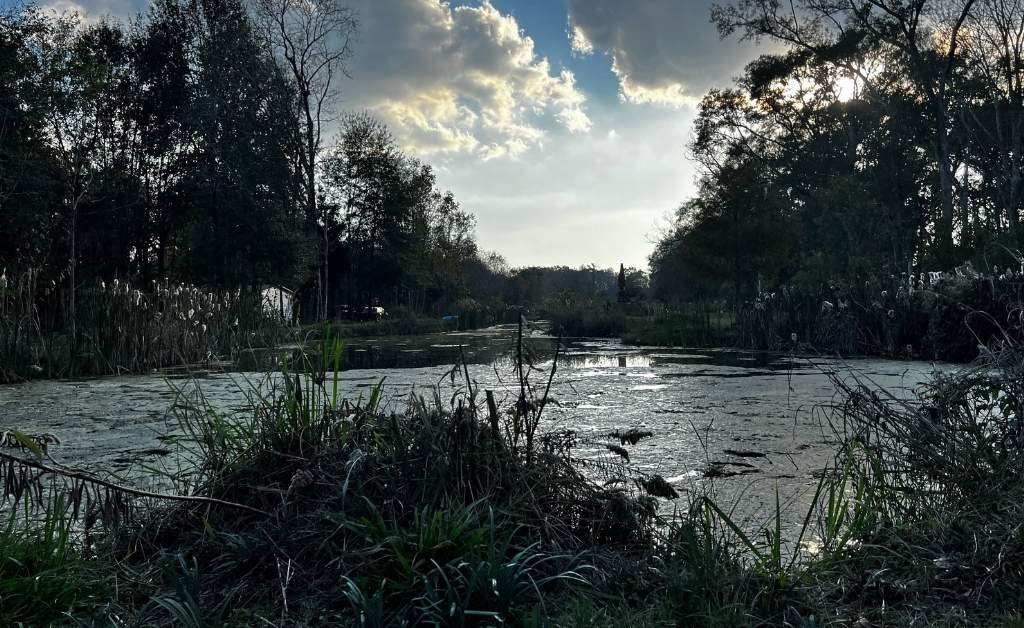
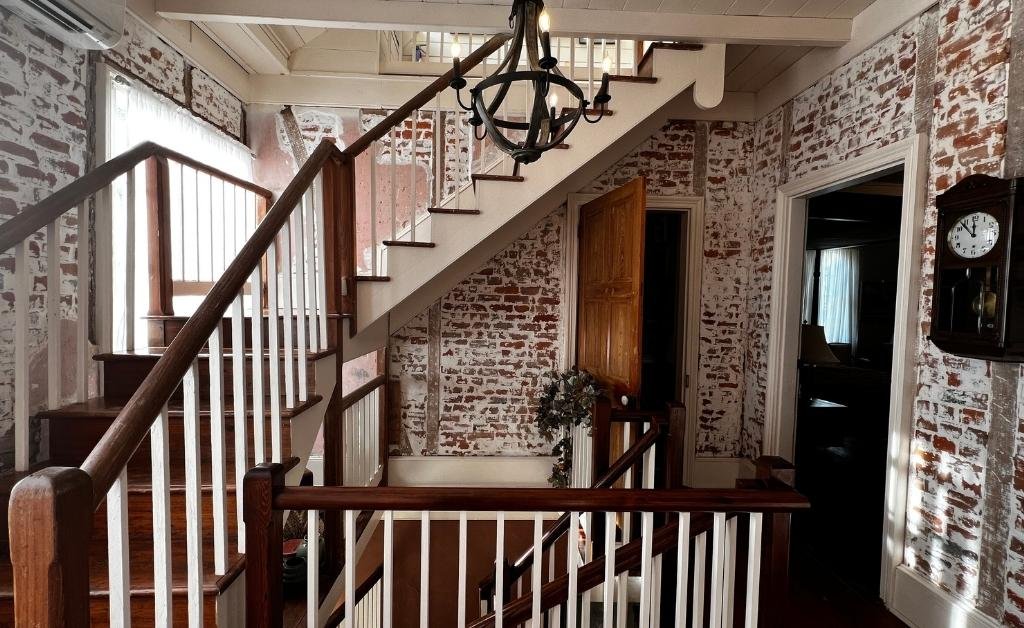
Inside, that connection continues. Ken, a retired educator with a deep interest in genealogy, and Richard, a pediatrician and passionate gardener, designed the home to celebrate ancestry across generations. Acadian, Creole, Indigenous, and immigrant stories are honored through artifacts, design, and storytelling.
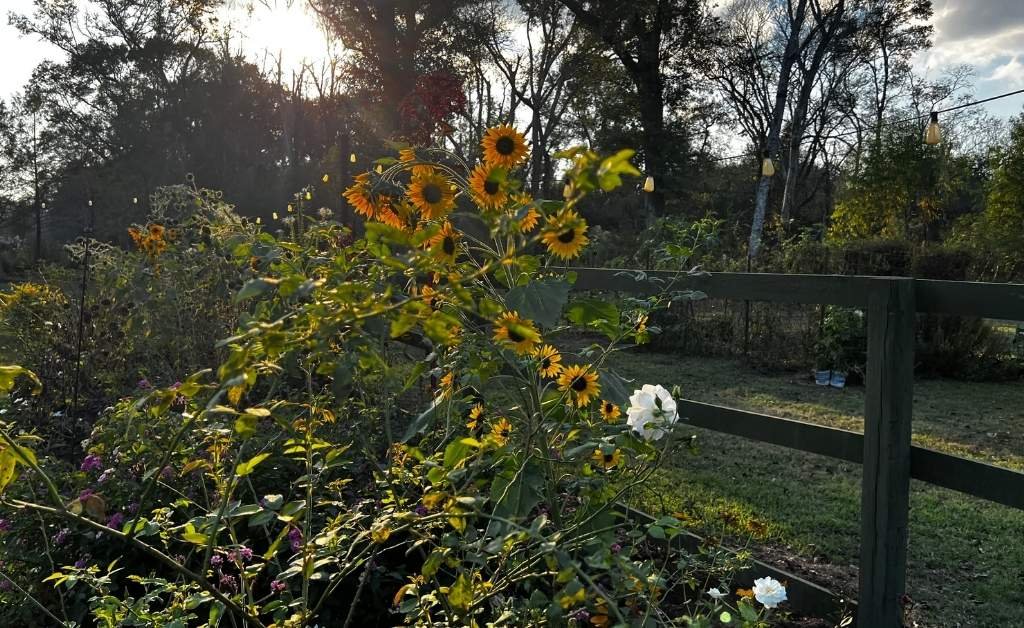
Art collections throughout the home include American Indigenous artwork, pottery, and basketry. The second-floor library features a basket collection and documents connected to the property’s history, including writings by Martin Duralde that describe life in early Louisiana and translations of Indigenous vocabulary into French.
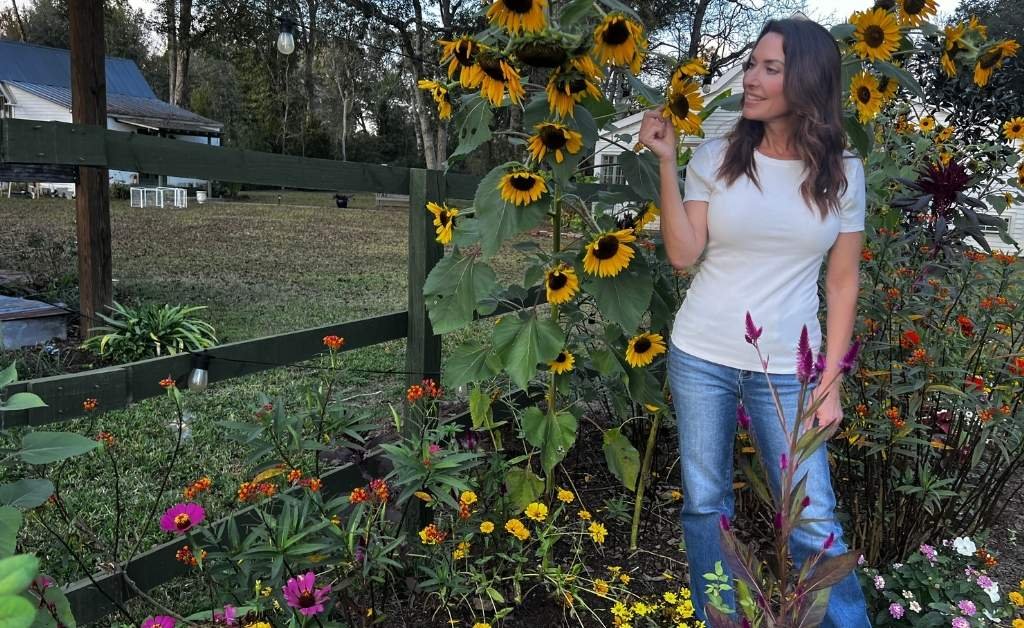
“We wanted to make certain that everyone who had ever touched this property, including the enslaved and their descendants, was represented here.”
— Ken Douet
Honoring the First Peoples and All Who Came After
From the beginning, Ken and Richard envisioned Maison Stephanie as a place of inclusion. In the first year the home opened, members of the Attakapas tribe from Lake Charles visited, marking an important step in reconnecting the property with its earliest stewards.
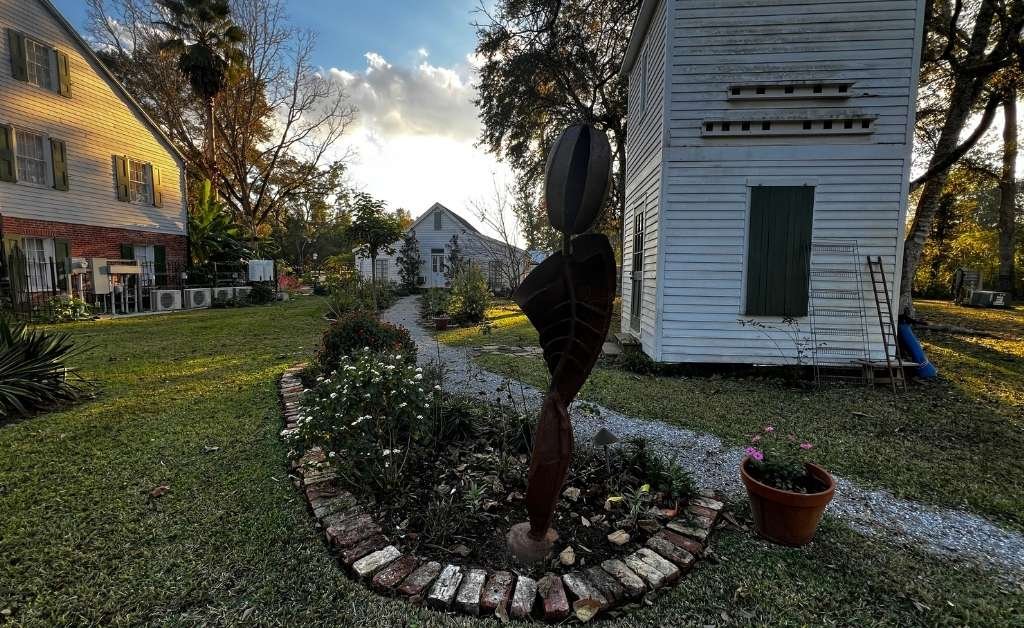
“From the indigenous to the Spanish, the French, the Acadians, all of it is acknowledged throughout the home.”
— Ken Douet
Although the collection does not yet include Attakapas artifacts, the home features items from the Tunica and Choctaw nations, with hopes of expanding the collection over time.
A Morning That Tastes Like Louisiana
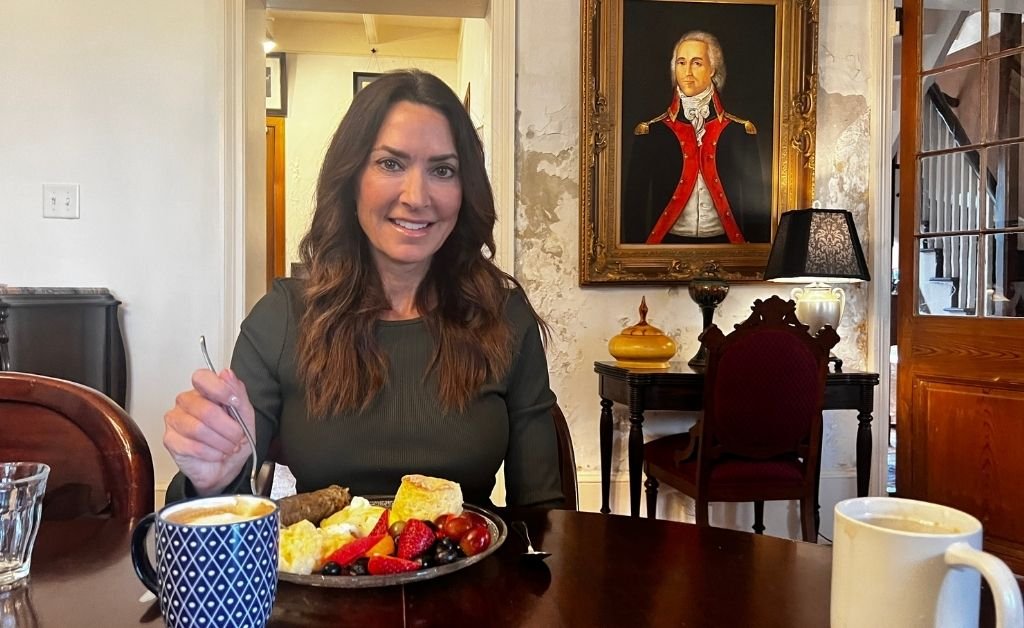
Staying overnight at Maison Stephanie includes small moments that feel deeply rooted in place. In the morning, the smell of breakfast drifted through the house.
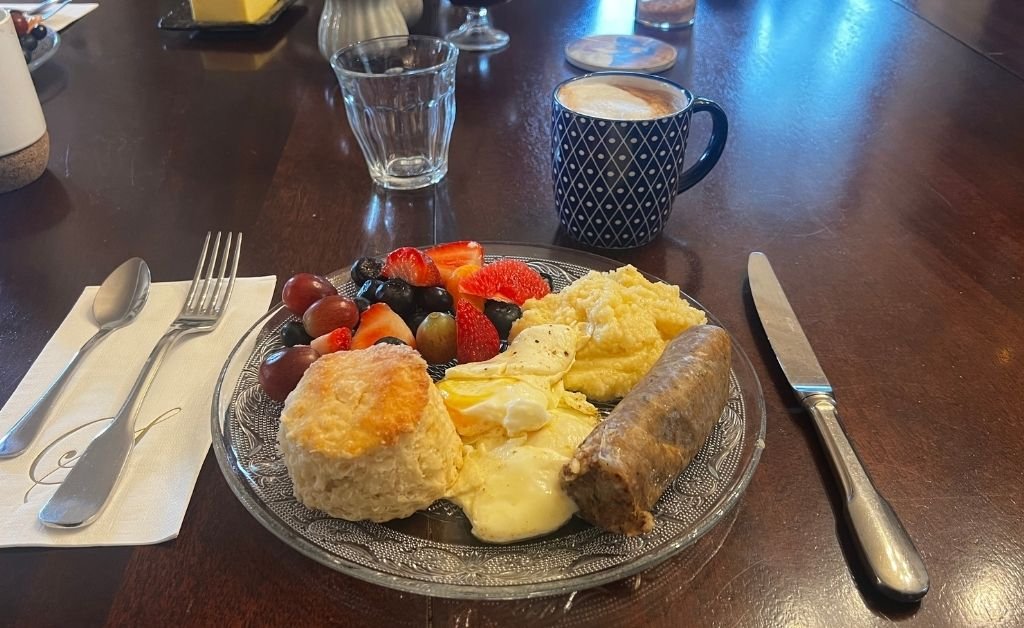
Ken prepared a hearty Louisiana breakfast with fresh eggs, homemade biscuits, and boudin. Sitting down to that meal felt like an extension of the home’s hospitality. It was generous, unpretentious, and grounded in tradition.
Staying Overnight at Maison Stephanie
Choosing where to stay at Maison Stephanie is not just about the room itself, but about how you want to experience the house and its grounds. Some rooms keep you close to the layered history of the main house, while others offer a quieter stay in the carriage house or cottages.
| Room | Bed | Sleeps | Location |
| Clarisse | King | 2 | Main House (2nd floor) |
| Marie | Queen | 2 | Main House (2nd floor) |
| Julie | Queen | 2 | Main House (2nd floor) |
| The Dubuisson | Double half-tester | 2 | Main House (3rd floor) |
| Valmont | King | 2 | Carriage House |
| Martin | Queen | 2 | Carriage House |
| Sally Cottage | – | 2 | Separate cottage |
| Carriage House Cottage | King + Queen | 4 | Separate cottage |
Breakfast is included with every stay. Rooms are air-conditioned, bathrooms have been updated as part of the restoration, and free parking is available on the property. Wi-Fi is offered, though connectivity may vary due to the thickness of the historic walls.
For those planning a stay, additional details about the rooms and property can be found on the Maison Stephanie website.
A Place to Feel at Home in Louisiana History
Before settling in for the night, I felt grateful to be welcomed into what Ken affectionately calls Miss Stephanie. Spending time here allowed me to connect deeply with the land, the culture, and the many memories this place holds.
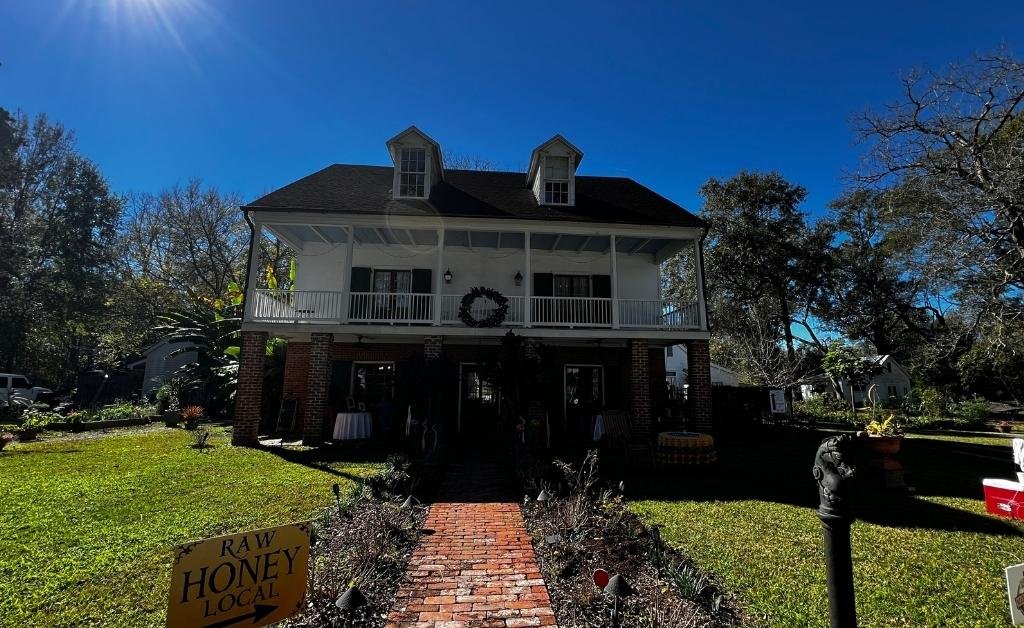
Maison Stephanie is more than a restored historic home. It is a place where Louisiana’s layered past is thoughtfully preserved and openly shared. Staying here is not simply about where you sleep. It is about slowing down, paying attention, and stepping into a living story that continues to unfold.
Experience Your Destination with Plannin
Travel is more than sightseeing—it’s about immersion. With Plannin, you can:

✅ Discover authentic adventures, culture, history & cuisine
✅ Unlock hotel deals worldwide at exclusive rates
✅ Book everything in one place—fast and hassle-free
Turn your next trip into a story worth sharing.
Plan your journey with Plannin today.
Stay Connected Anywhere with Saily eSIM
Traveling soon? Skip the hassle of buying local SIM cards and enjoy instant connectivity with Saily eSIM.
With Saily, you can:
- Activate mobile data in minutes—no physical SIM needed.
- Choose affordable plans in over 150 countries.
- Keep your WhatsApp, contacts, and number without switching.

Whether you’re exploring cities or remote getaways, Saily makes staying online easy and affordable.
Get your Saily eSIM now and travel worry
Read More:
Hotel Klaus: A Historic Boutique Stay in Washington, LA
The House That Shaped Kenner: Inside the Clancy Legacy
Inside the Caldwell House: Abbeville’s Historic Bed and Breakfast with a Story to Tell