This post may contain affiliate links, which means I may earn a small commission from purchased products at no additional cost to you.
Table of Contents
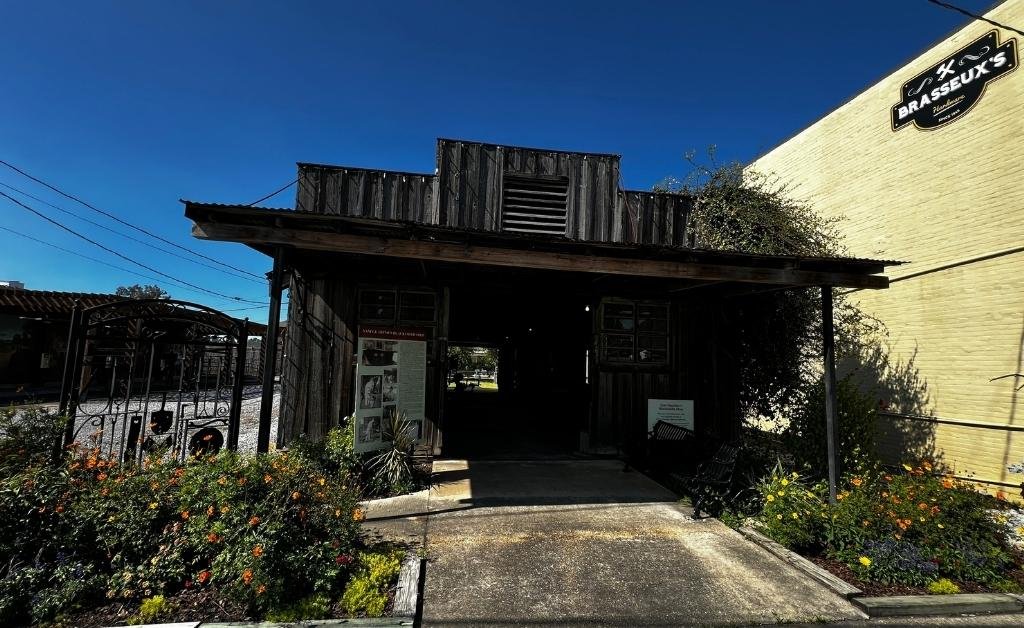
In downtown Abbeville, Louisiana, history does not feel distant or ornamental. It feels solid underfoot, shaped by human hands and sustained by hard work. When I stepped inside the Sam Guarino Blacksmith Shop Museum, I entered a place where iron once met fire daily and where one Sicilian immigrant helped hold an entire community together through craft.
The museum preserves the life and work of Salvadore “Sam” Guarino, a blacksmith whose shop supported farmers, trappers, oilfield workers, and families across Vermilion Parish. More than a preserved building, it remains a fully functional working shop, arranged exactly as it was when Guarino forged iron here more than a century ago.
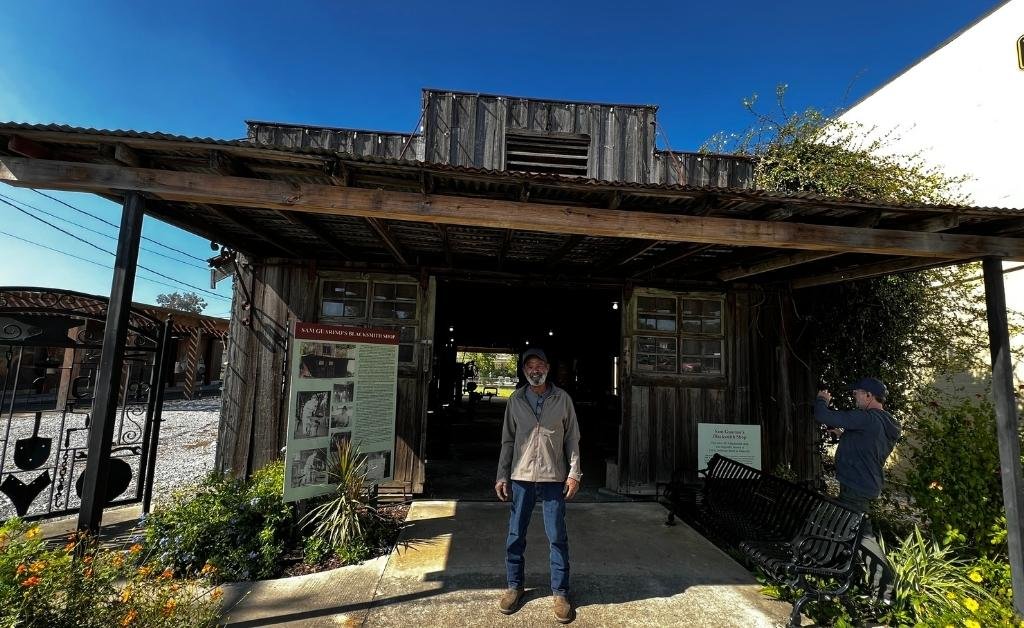
A Rare Working Blacksmith Shop in Downtown Abbeville
Charlene Beckett, Abbeville’s Main Street Manager for more than 30 years, welcomed me into the shop with pride.
“I’m excited to bring you all to the Sam Guarino Blacksmith Shop Museum here in downtown Abbeville. It’s probably the only working blacksmith shop in the whole state of Louisiana that’s located in a downtown.”
— Charlene Beckett, Abbeville Main Street Manager
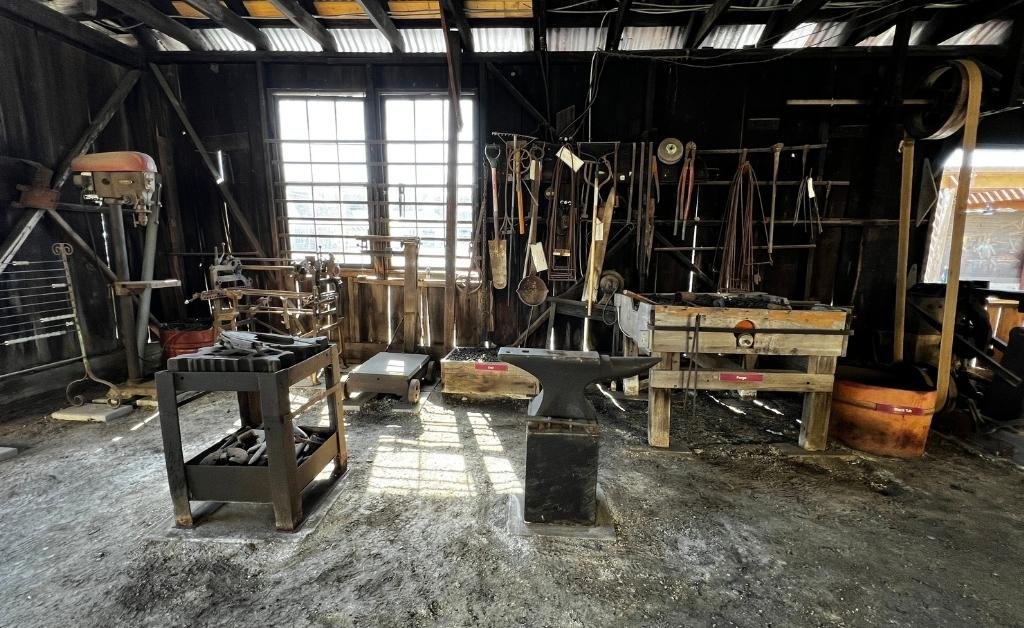
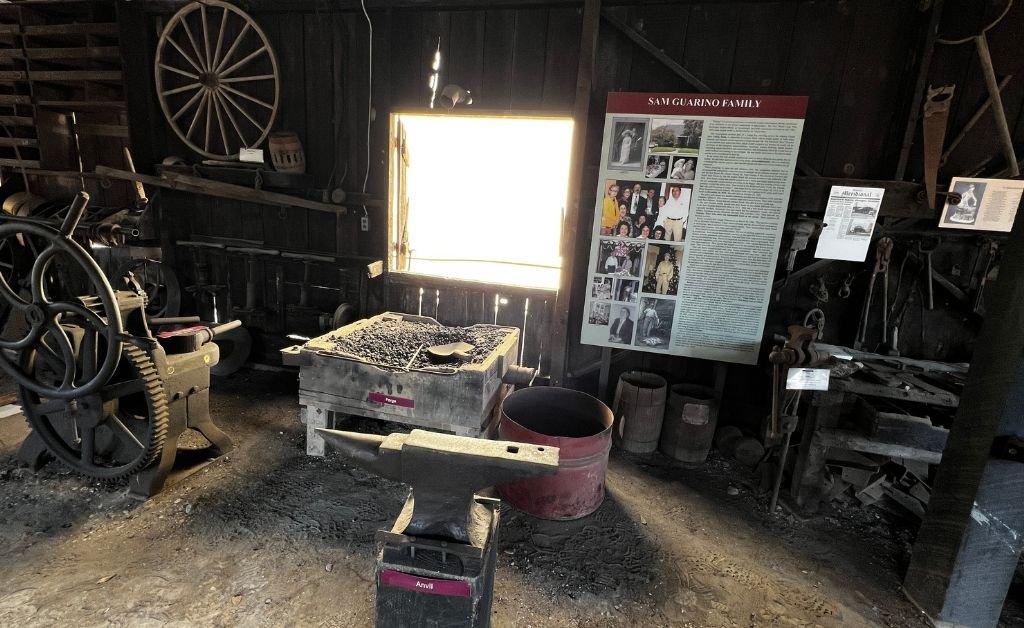
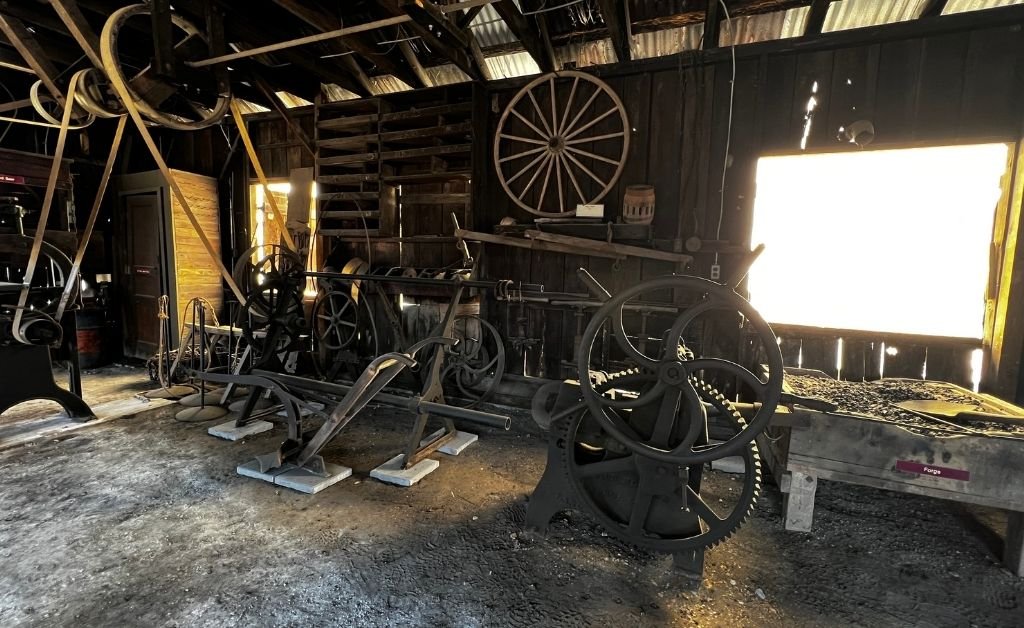
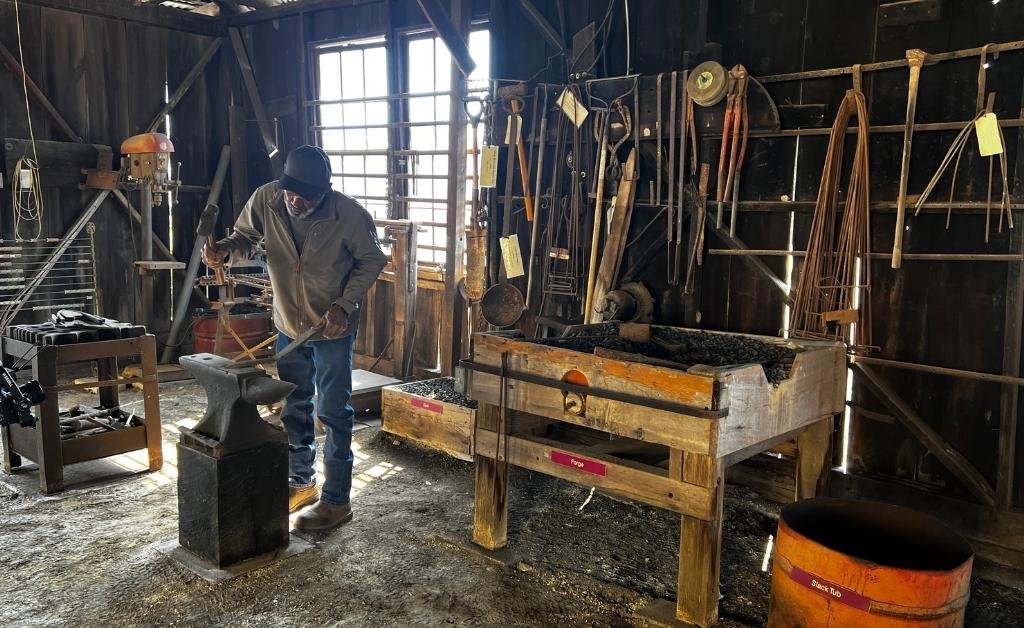
Everything inside the building remains exactly where it was when the shop was active. The anvils, workbenches, and machinery are still operational, giving the space a lived-in authenticity rather than a curated feel.
Charlene spoke about the wider appeal of the region as easily as she spoke about the shop itself.
“People should come and visit Vermilion Parish because we are so diverse. You can go crabbing, fishing, enjoy wonderful restaurants, and meet the friendliest people in our community, whether they’re farmers or business people.”
— Charlene Beckett
The Ancient Roots of Blacksmithing
Among the tools, Charlene traced blacksmithing far beyond Louisiana.
“The art of blacksmithing probably started in the 15th century in Turkey. The people with the sharpest tools were the most powerful, so they kept the art a secret.”
— Charlene Beckett
That knowledge eventually spread and appears even in biblical records, where forged metal shaped survival and civilization. The same ancient craft traveled across continents before finding a permanent home in Abbeville.
From Sicily to South Louisiana
Sam Guarino was born in Cefalù, Sicily, where he apprenticed as a blacksmith as a teenager. At just 16 years old, he immigrated to Louisiana in the early 1900s, drawn by an established Sicilian community and the practical need for skilled trades on plantation land.
“Plantations couldn’t operate without a good blacksmith. There was no Walmart or Lowe’s. All farm equipment had to be repaired by hand.”
— Charlene Beckett
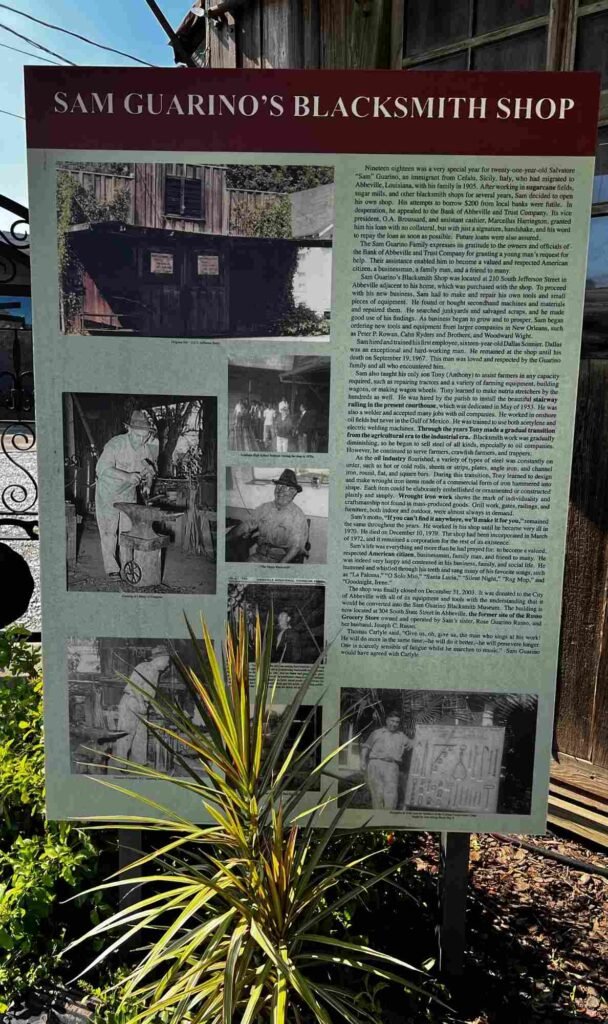
Beneath the workbench today, agricultural tools still sit where they once did. Guarino repaired plows, sharpened blades, and fixed whatever came through the door.
“If you needed anything repaired, Mr. Guarino would say, ‘If I can’t fix it, it can’t be made.’”
— Charlene Beckett
Walking on the Original Dirt Floor
As I moved through the space, Charlene pointed to the ground beneath us. The dirt floor is original.
“When the Guarino family donated the building and all the equipment, the city cross-braced the building and moved it. City workers shoveled up four inches of the original dirt and brought it with the shop.”
— Charlene Beckett
That soil absorbed decades of work, from agricultural repairs to oilfield labor. Standing there, the weight of that history feels unmistakable.
Anvils, Sound, and the Four Elements
Charlene invited me to tap the anvils, each producing a slightly different sound.
“We found out the anvils all make different sounds depending on how you tap them.”
— Charlene Beckett
She explained that blacksmithing is one of the few crafts that requires all four elements.
“It uses earth, wind, fire, and water. You can’t operate without those four.”
— Charlene Beckett
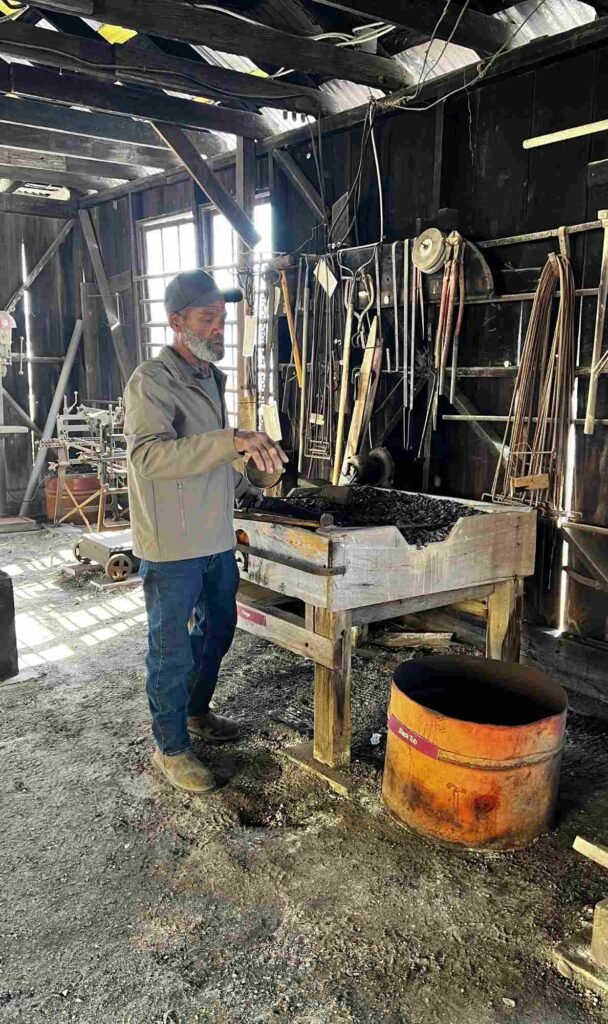
The rhythm remains unchanged: heat the metal, hammer it, cool it in water, then repeat until the shape is right.
Nutria Skin Stretchers and Marshland Work
One of the most important items produced here was the nutria and muskrat skin stretcher, made by the thousands for trappers working Louisiana’s marshes.
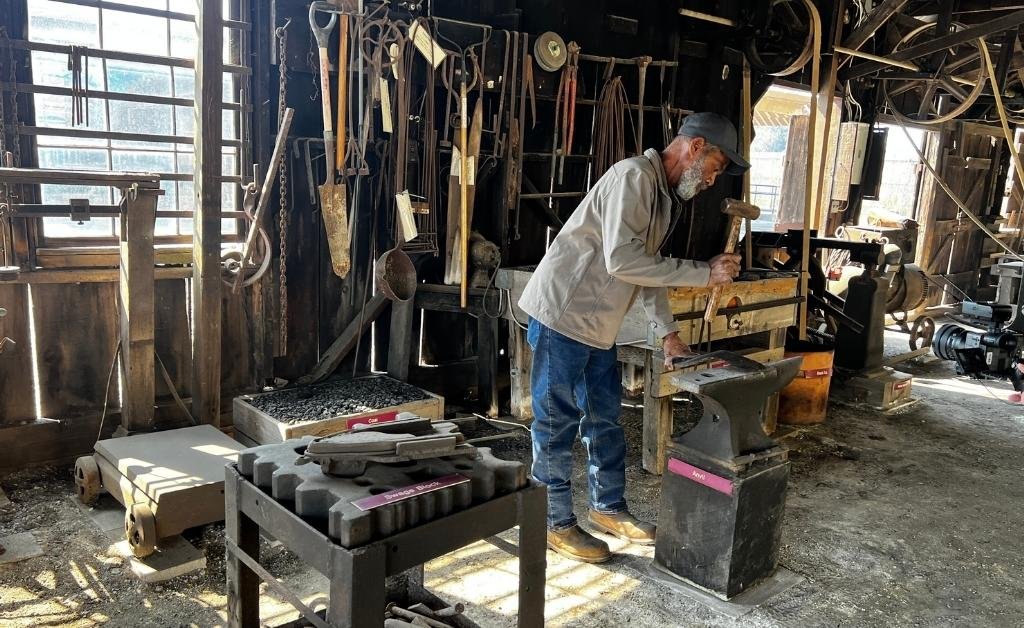
“You’d put the skin on the stretcher, hold it in position to dry, tack it down, pull it tight, and keep everything firm.”
— Brandon Briggs, Blacksmith and Museum Tour Guide
These tools tied the shop directly to Louisiana’s wetlands economy.
A Living Trade Passed Down
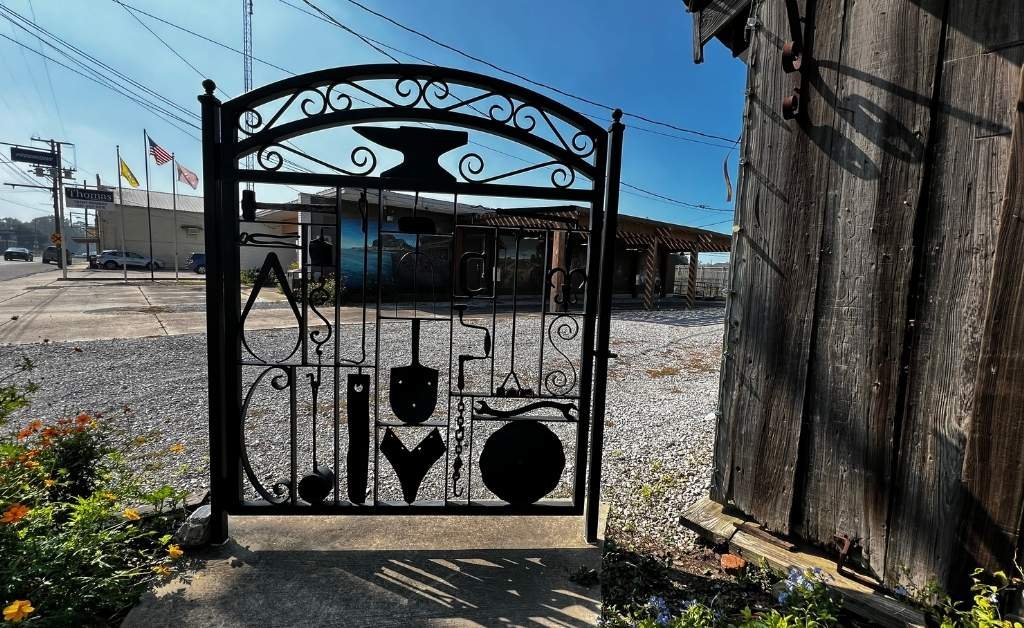
Outside the museum stands a sculpture created by Brandon Briggs, who learned blacksmithing inside this very building.
“I call it the gateway to modern engineering. It starts with the blacksmith and evolves into modern-day tools.”
— Brandon Briggs
The sculpture features handcrafted representations of farm equipment, bush hog blades, brands, and decorative curls, all reflecting work once done inside the shop.
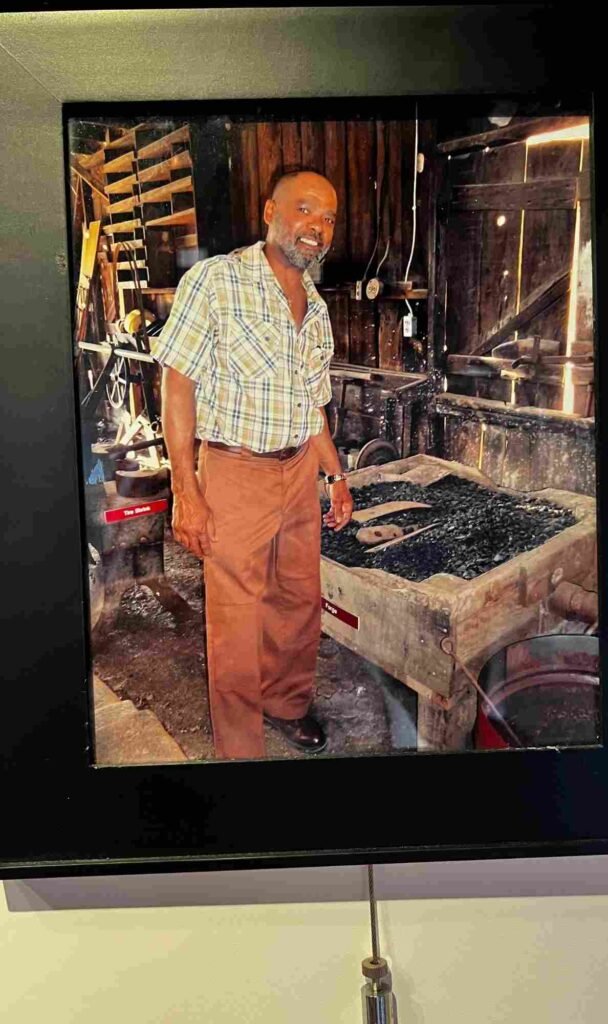
Brandon trained here for nine years under Sam Guarino.
“My grandfather had a little anvil, and I used to beat on it. When I applied here, Sam told me, ‘I don’t know, my boy, you’re kind of small.’ Nine years later, I was still here.”
— Brandon Briggs
Inside a 107-Year-Old Working System
The building itself reveals the ingenuity behind the work.
“Everything in this shop was powered by a single motor. Before electric motors were common, they rigged a Model T engine to run the entire operation.”
— Brandon Briggs
Later, that system was upgraded to one of the first electric motors used here, still driving multiple machines through belts and pulleys. Watching it run brings the shop’s efficiency into sharp focus.
Expanding the Story at the Sicilian Heritage Center
Just steps away, the Sicilian Heritage Center broadens the story beyond the blacksmith shop.
“Once we established the blacksmith shop, we realized there was so much more to tell about the Sicilian contribution to Vermilion Parish.”
— Charlene Beckett
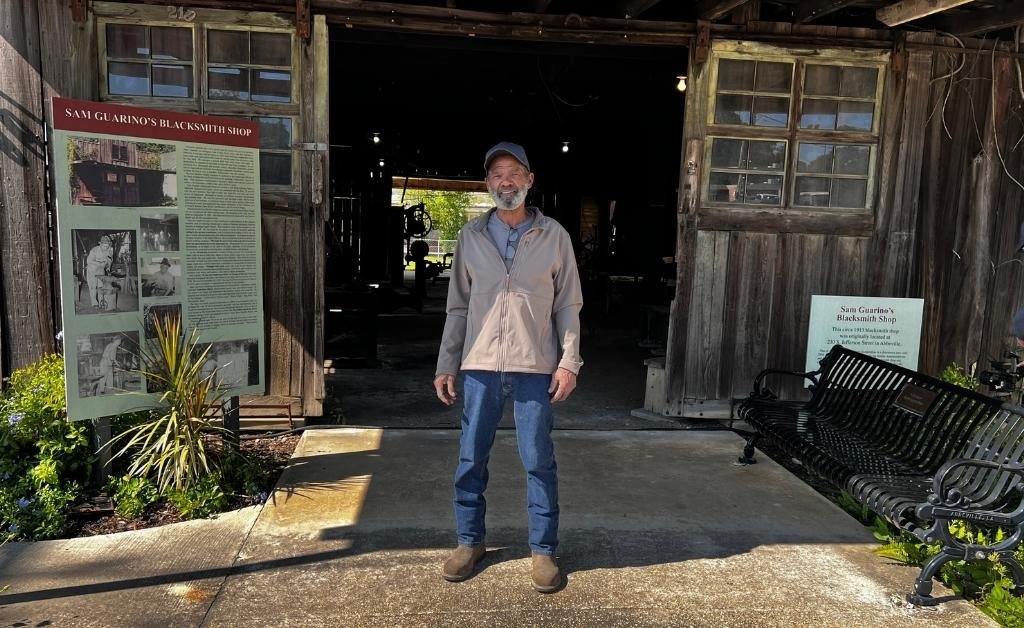
The front of the building honors Sam Guarino and includes a video of his daughters sharing what it was like to grow up around the shop. Exhibits explore blacksmithing across cultures and highlight other trades, including coppersmiths, silversmiths, and goldsmiths.
Charlene shared how Sicilian families shaped Abbeville through commerce and food traditions.
“They owned a lot of grocery stores. Mama Joe had a grocery next door that was famous for her ham. People remember Joe Depop Rouge that was bottled right here in Abbeville.”
— Charlene Beckett
Sicilian families settled here because plantations needed blacksmiths, because contacts like Mr. Separito helped connect immigrants, and because the community was welcoming.
“Mr. Guarino came here on the S.S. Lazio as a young boy. He befriended Charlie Piazza, and they stayed lifelong friends. The Sicilian heritage is still alive and well here.”
— Charlene Beckett
That living heritage gives the blacksmith shop a deeper context. What began as one man’s trade grew into a lasting contribution that shaped Abbeville’s economy, culture, and sense of place.
Sam Guarino Blacksmith Shop Museum at a Glance
For visitors, understanding both the craft and the community behind it helps frame what makes this site so distinctive today.
- Location: Downtown Abbeville, Vermilion Parish, Louisiana
- Focus: A preserved, fully functional blacksmith shop from the early 1900s
- Founder: Salvadore “Sam” Guarino, Sicilian immigrant blacksmith
- Notable distinction: Likely the only working blacksmith shop located in a Louisiana downtown
- Connected site: The nearby Sicilian Heritage Center, expanding the story of local Sicilian culture
Carrying the Weight of Work Forward
The Sam Guarino Blacksmith Shop Museum preserves more than tools and techniques. It holds the memory of a time when skill was essential and when communities depended on craftsmen who could shape, repair, and endure.
Standing on the original dirt floor, surrounded by equipment that still works as it once did, the past feels present rather than preserved. In Abbeville, that legacy remains forged in iron, effort, and memory.
Experience Your Destination with Plannin
Travel is more than sightseeing—it’s about immersion. With Plannin, you can:

✅ Discover authentic adventures, culture, history & cuisine
✅ Unlock hotel deals worldwide at exclusive rates
✅ Book everything in one place—fast and hassle-free
Turn your next trip into a story worth sharing.
Plan your journey with Plannin today.
Stay Connected Anywhere with Saily eSIM
Traveling soon? Skip the hassle of buying local SIM cards and enjoy instant connectivity with Saily eSIM.
With Saily, you can:
- Activate mobile data in minutes—no physical SIM needed.
- Choose affordable plans in over 150 countries.
- Keep your WhatsApp, contacts, and number without switching.

Whether you’re exploring cities or remote getaways, Saily makes staying online easy and affordable.
Get your Saily eSIM now and travel worry
Read More:
Louisiana’s Tradition Bearer: How Darryl Reeves Keeps Blacksmith Alive
Cypress Wood Carver Henry Watson Preserves Louisiana’s Past
Meet Tee Don Landry: The Rubboard Maker to the Music World