This post may contain affiliate links, which means I may earn a small commission from purchased products at no additional cost to you.
Table of Contents
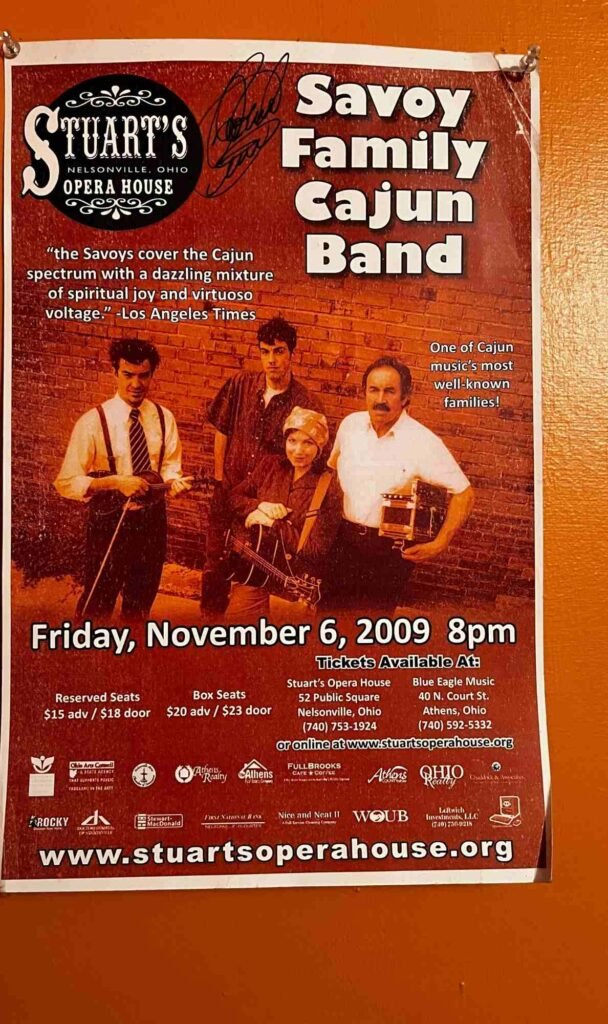
The sound hits you first. It is not just music. It is a conversation in a language of button accordions, fiddles, and raw, soulful vocals. This is a Saturday morning at the Savoy Music Center in Eunice, Louisiana. Within its unassuming walls, you do not just hear Cajun culture.
You step directly into its living, breathing heart.
Here, the Savoy family is not merely performing. For over half a century, they have served as Louisiana’s essential culture keepers, guarding a flame of tradition that was once nearly extinguished by stigma. In a state stitched together by story, song, and food, they are a living lineage of tradition bearers, a dynasty rooted deep in the soil and soul of this place.
A Sanctuary Forged in Defiance
Tucked along a roadside in Eunice, the Savoy Music Center carries the patina of its 60-year history. Traffic whizzes past this place of legends hidden in plain sight, but inside, time operates differently.
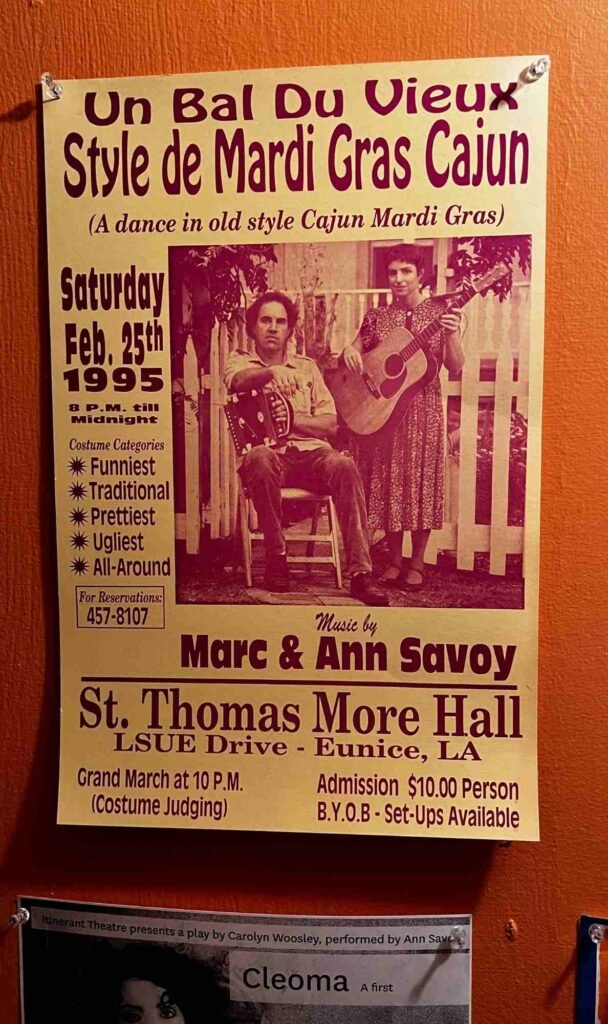
The scent of fresh coffee and spicy boudin hangs in the air. The walls are lined with instruments, including iconic accordions handcrafted in the workshop out back. This place is the life’s work of Marc Savoy, who opened its doors in 1966 against daunting odds. A bank loan officer once predicted his handmade accordion business would fold within a year.
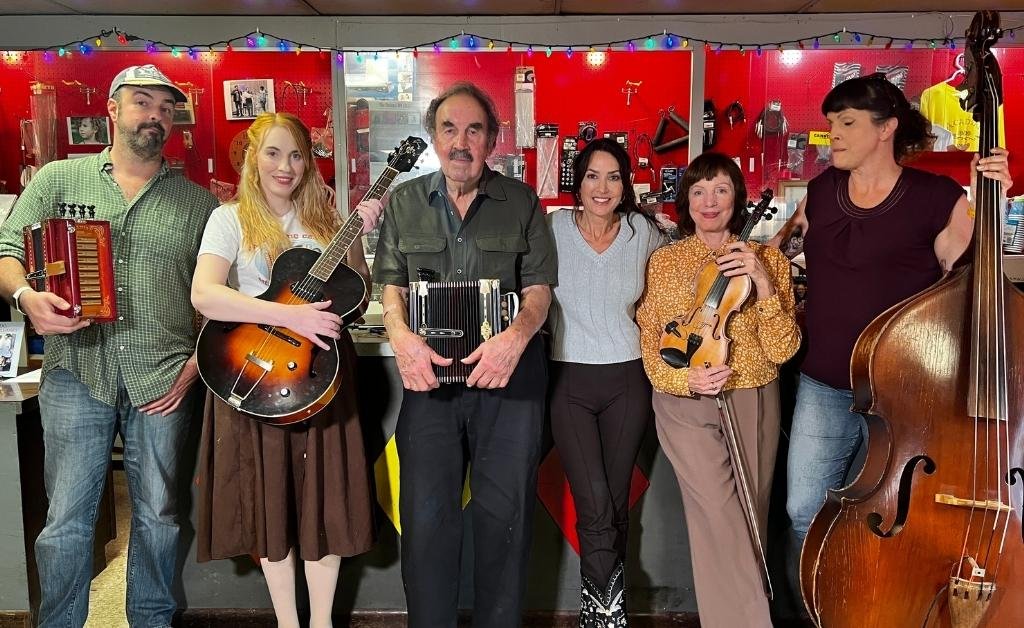
I visited Marc in his workshop, a sanctum of wood shavings and meticulous craft. As he showed me the 532 parts of an accordion coming together under his hands, each one destined to be stamped “Louisiana Made,” he spoke of the early struggle. It was a battle fought on two fronts: financial tenacity and cultural resistance. He began making accordions as a hobby in 1960, growing up acutely aware of the stigma attached to his French heritage in Acadiana.
“It has always been a mystery to me how the locals could never understand the beauty and value of their heritage. Very few attached any value to it and made the decision instead to pursue a heritage presented by the media nationwide, a heritage which to me was actually more American than America itself.”- Marc Savoy
His fight was personal and philosophical. He was a proud Cajun when being Cajun was not cool, investing everything into preserving an identity others were eager to forget or dismiss. His mission gained momentum through pivotal “icebreaker” tours in the early 1970s that introduced Cajun music to the East and West Coasts.
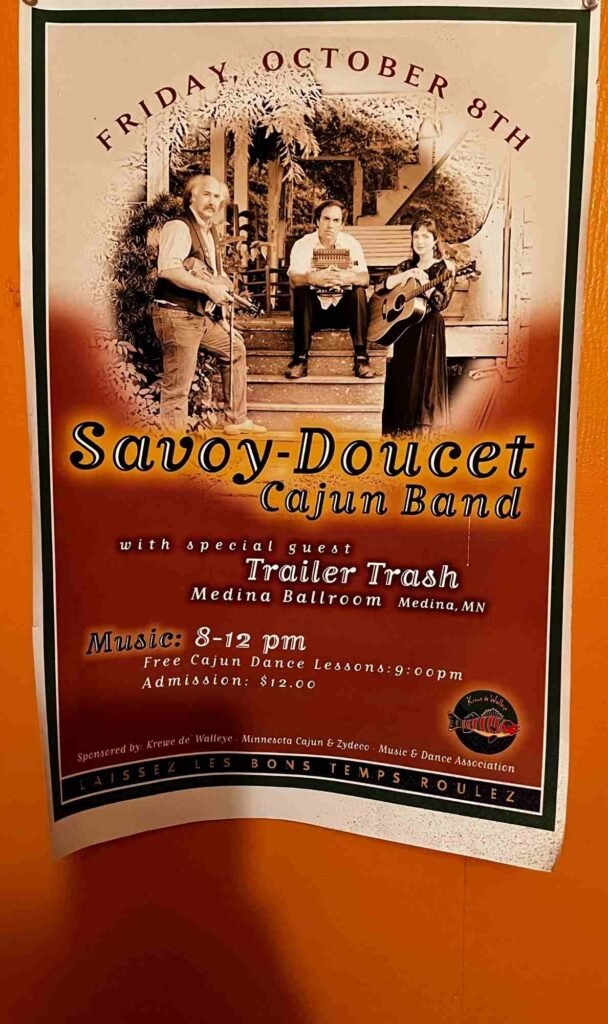
- He was invited to the National Folk Festival in 1972 as a craftsman.
- In 1973, he played at Wolf Trap Park with family friends Dennis McGee, a tenant farmer for his father, and Sadie Courville, followed by a National Endowment for the Arts tour.
- In 1974, he played fiddle with Dewey Balfa and the Balfa Brothers on a West Coast tour.
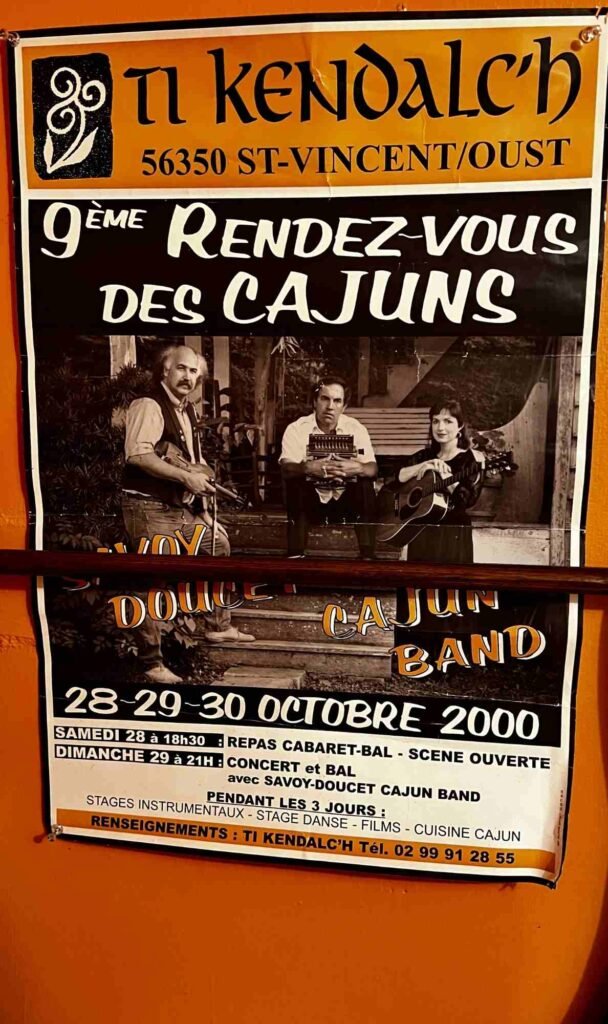
These events, especially after Cajun music’s presentation at the Newport Folk Festival, fueled an exponential growth in interest. Marc became one of the original architects of cultural tourism in Louisiana.
The Saturday Morning Ritual: Where Culture Lives
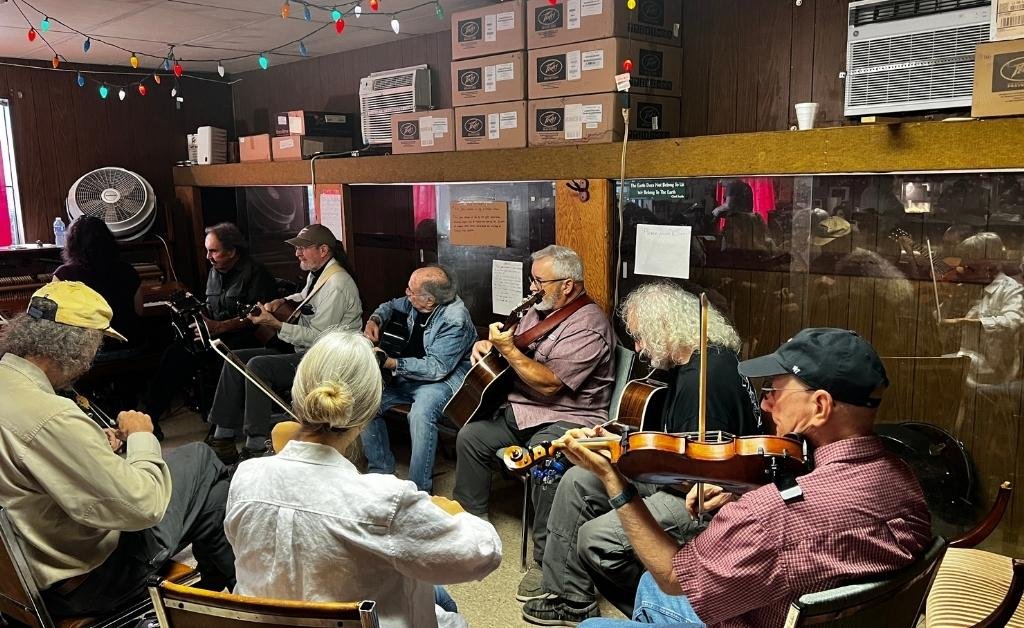
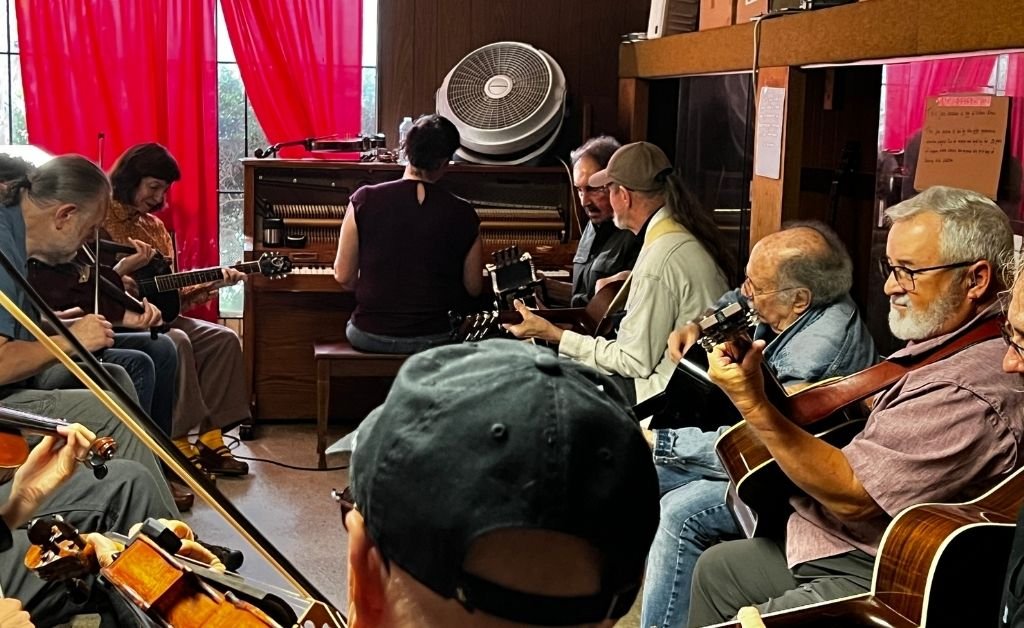
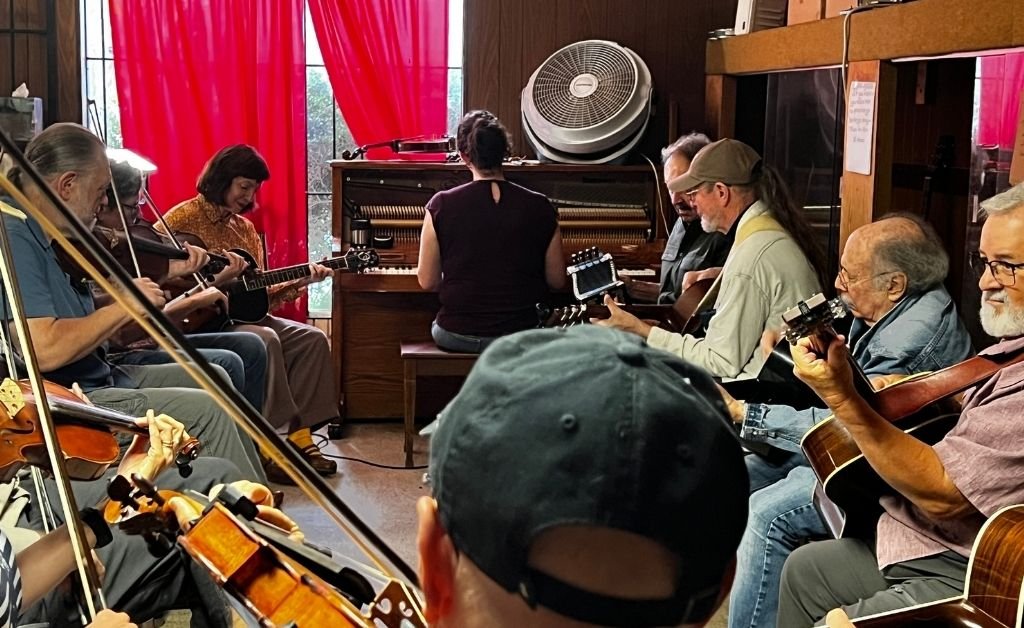
The proof of his victory is alive every Saturday at 9 AM. What Marc calls a “house party” begins informally as musicians file in with fiddles, guitars, and accordions. There is no stage, no setlist, and no conductor. This jam session honors the trailblazers, the old timers.
I took a seat among inquisitive tourists from all corners of the world and local legends alike. The room effortlessly filled with the sounds of a century-old waltz.
For anyone planning a pilgrimage to this cultural landmark, here is what you need to know:
- Location: Savoy Music Center in Eunice, Louisiana.
- Time: The weekly Cajun music jam session begins every Saturday morning at 9:00 AM.
- Admission: Free.
- Participation: All are welcome to observe, and musicians are invited to join in.
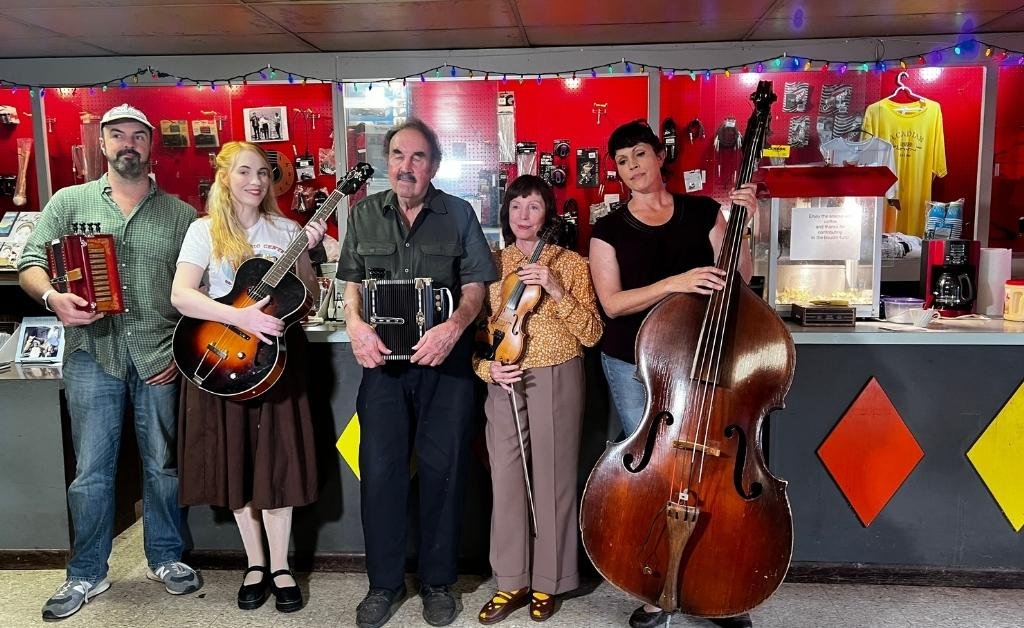
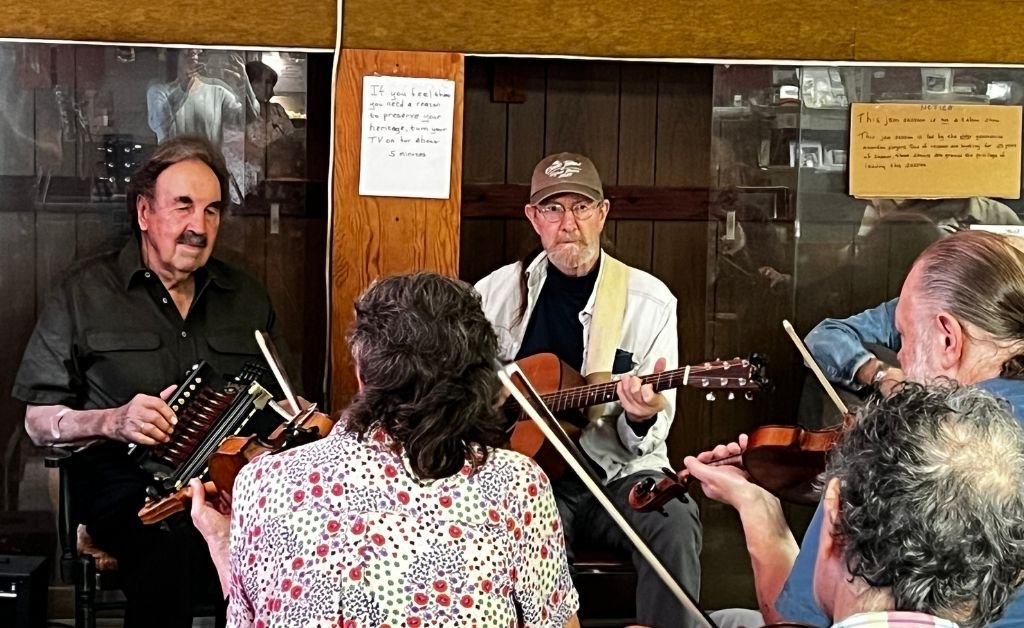
At the center were the Savoys. Marc took his seat with one of his handmade accordions. His daughter Sarah began to play the piano, and as if on cue, the room of musicians played along instinctively, as if they were all in on a secret, without sheet music, without a conductor.
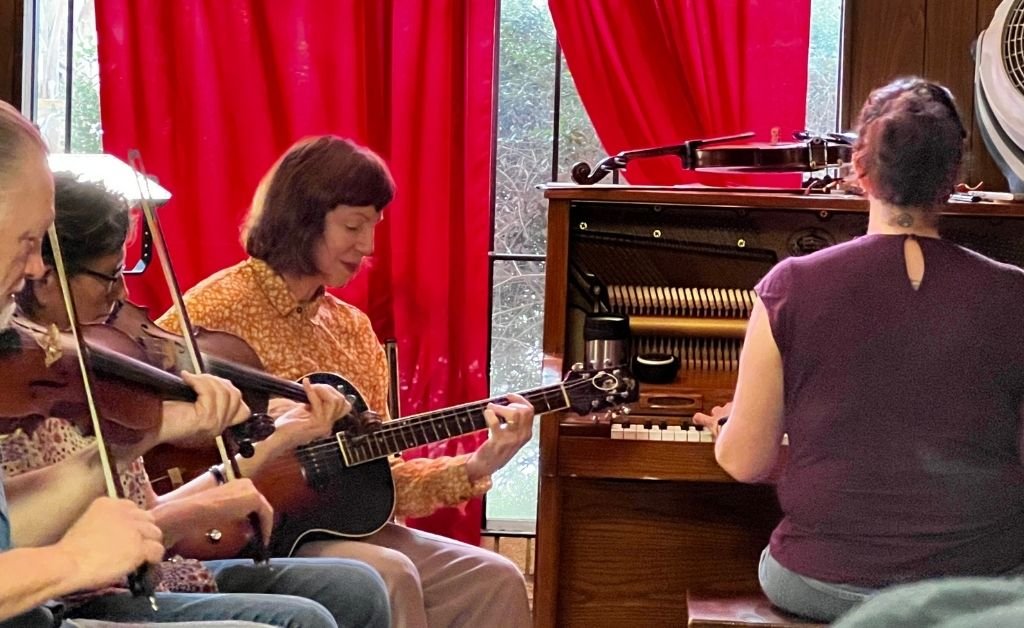
Marc anchored the rhythm. His wife, Anne, strummed guitar alongside Sarah. Their son Wilson joined in on another family-made accordion. The two women took turns singing soulful lyrics, while the music flowed intuitively. It was a shared language. A woman kept beating with her tambourine, dancing in place, her feet tapping to the rhythm.
“It’s traditional music. It’s not a written down music. People just hear that and hear that in the womb. And then they know it in their bodies. If they can hear, they can play along.”- Anne Savoy
The method of transmission in this family was always organic, even subversive. Anne laughed recounting their parenting technique. It was less about instruction and more about creating a magnetic field of attraction.
“We put all the instruments out all around the house and said, ‘don’t you dare touch those instruments.’ That’s how we did it. And they all started gravitating and playing everything.”- Anne Savoy
She emphasized it felt genetic. The children took a few formal lessons. A teacher finally told Sarah and Wilson to just play what they played, because they already had it.
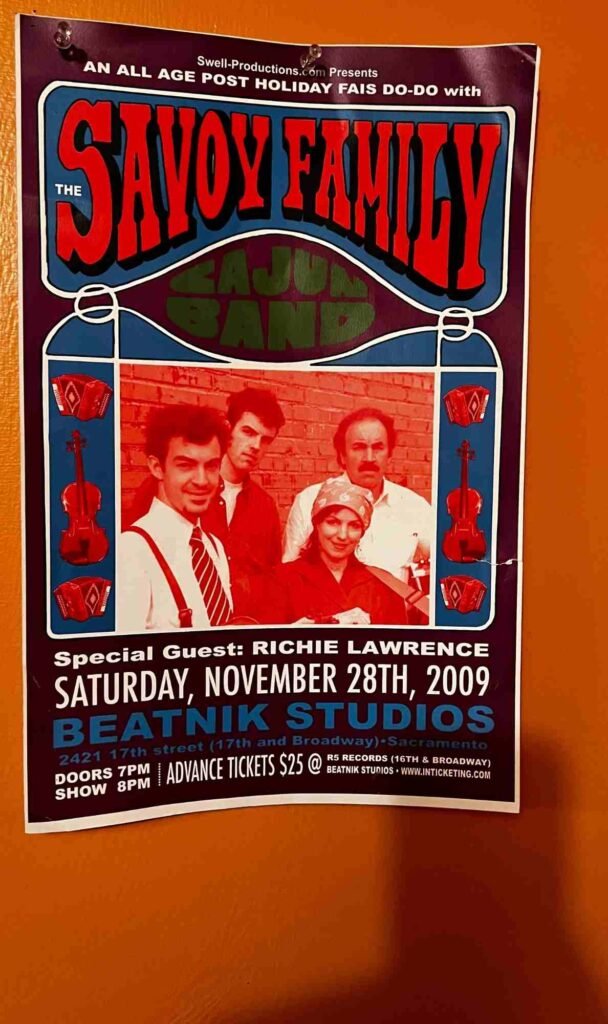
A Legacy Carried Forward in Four Distinct Voices
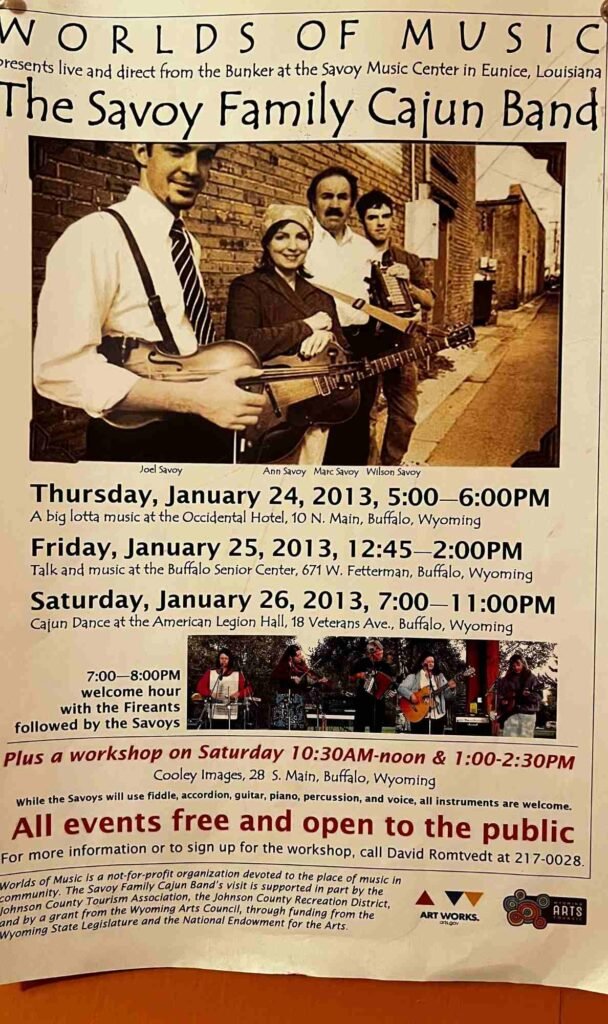
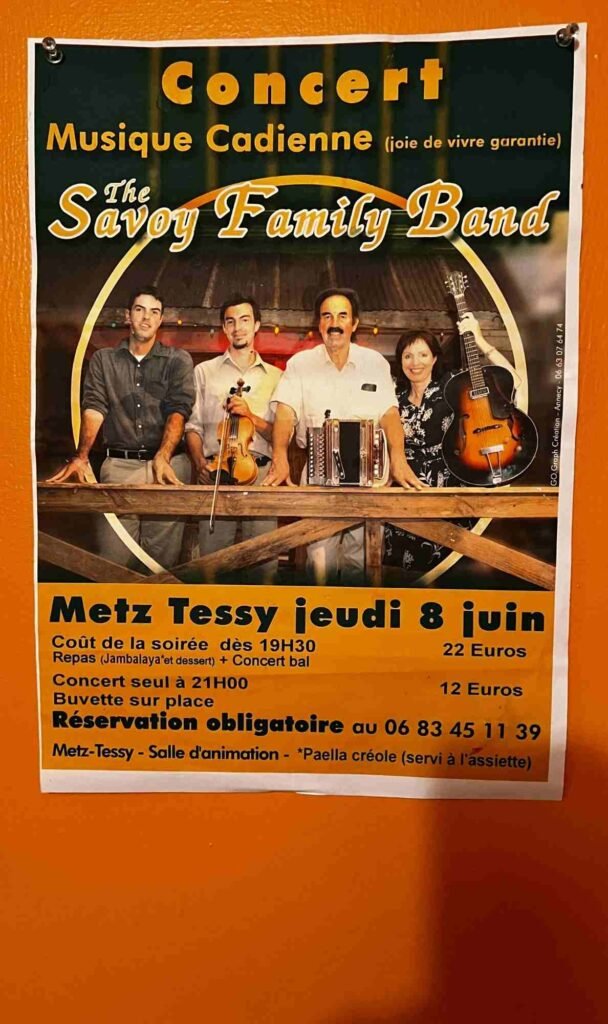
Each of the Savoy children absorbed this deep fluency. They then found their own voice within the tradition, becoming accomplished artists and musicians who have toured the world with bands they founded. The family toured globally for decades together after Marc and Anne married. The siblings’ individual successes are a point of pride.
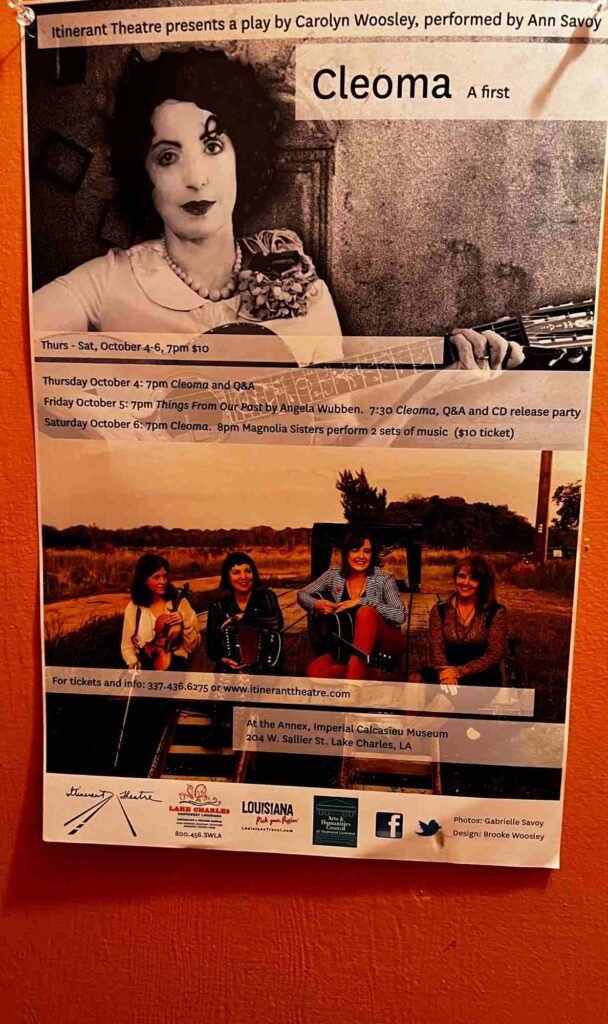
Sarah, the eldest, is the keeper of the flame. Her singing is a raw, guttural, melancholy wail that comes from deep within her soul. It is a deliberate reach back to the raw emotion of the old masters. For her, the sanctity of the non-performative jam session is everything. She sees herself reaching back toward the very “narrow-mindedness” her father fought against, but now as a protective measure against over-commercialization.
“I feel a responsibility to keep this part of it alive. I want to hold this right here and not change it. And I think that’s what tourists like, because they can come and go. And even if you don’t show up for, I don’t know, 30 years, it’s still the same thing.”- Sarah Savoy
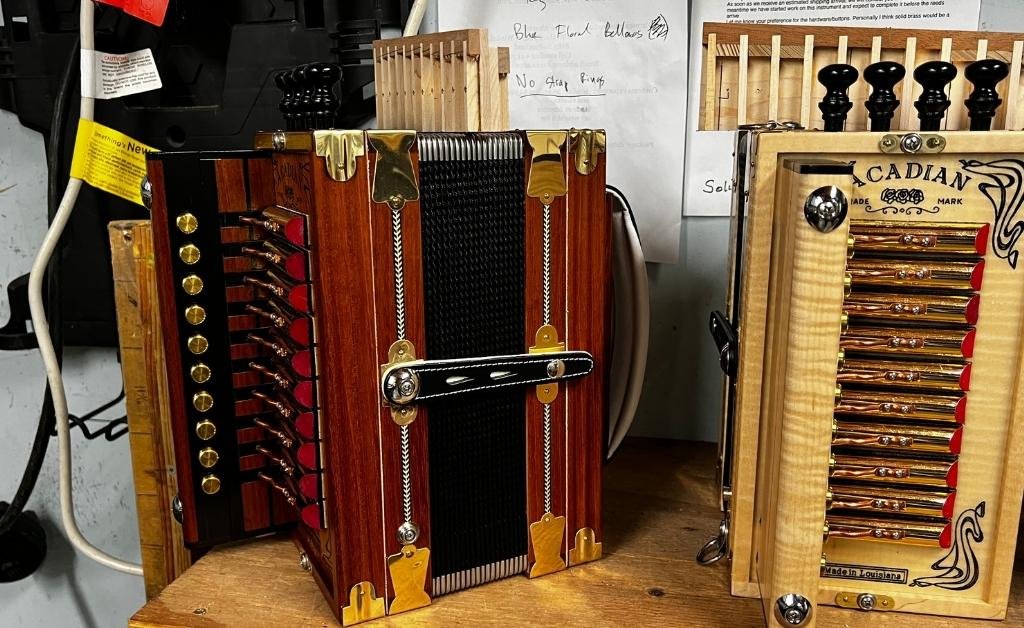
Wilson described his path as an addiction. He got homesick for the sound while away at school. He picked up an accordion his father built for him and became obsessed, playing 24 hours a day. He now champions the accessible, welcoming nature of the instrument and the culture. He explains how the diatonic accordion’s design forgives beginners and how true learning comes from immersion.
“You just got to come to the jam session. Sit back, have some food, drink a coffee, and listen to the music. If you do that long enough, you just have it all in your head.”- Wilson Savoy
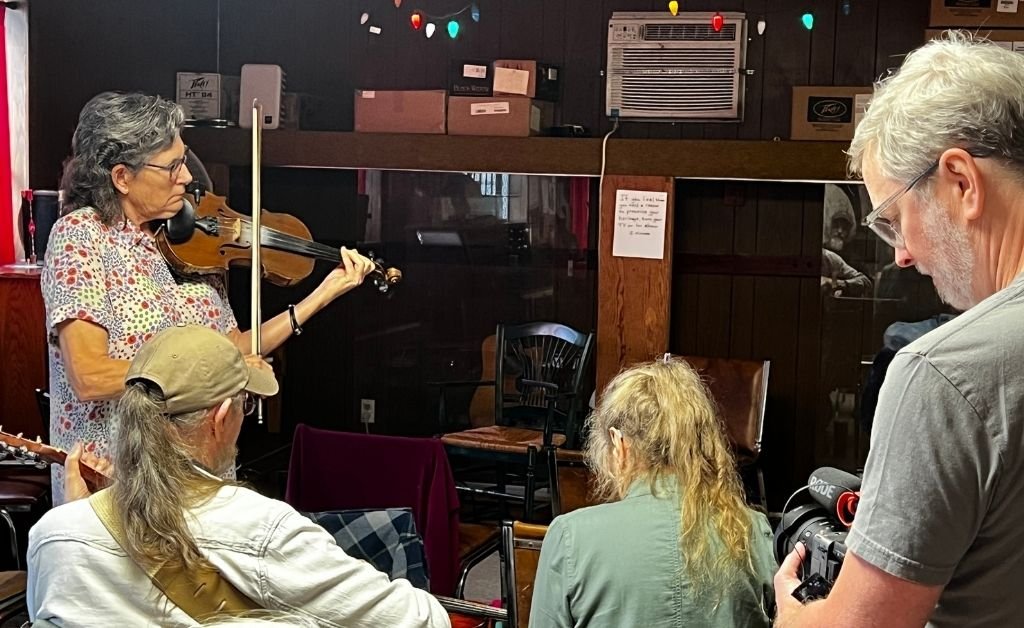
He also highlighted the innovative work of his brother Joel, an accomplished woodworker not present that day. Joel engineers new ideas into the accordions, figuring out how to make them louder and more efficient while respecting tradition.
“Joel wasn’t that scared to keep it in the tradition, but also figure out ways to make it. Maybe it’s possible to improve on these designs.”- Wilson Savoy
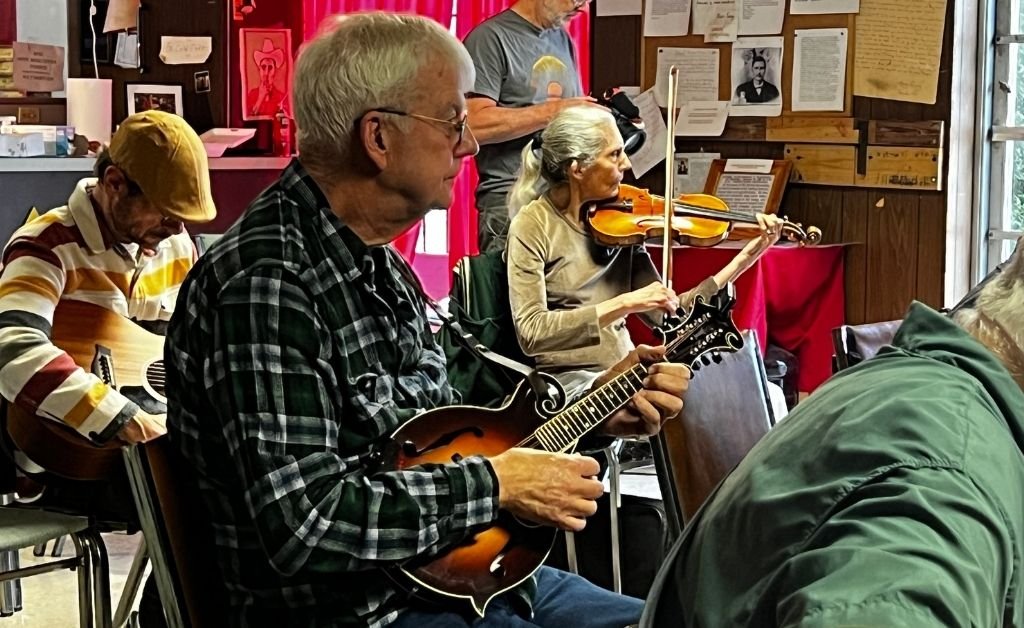
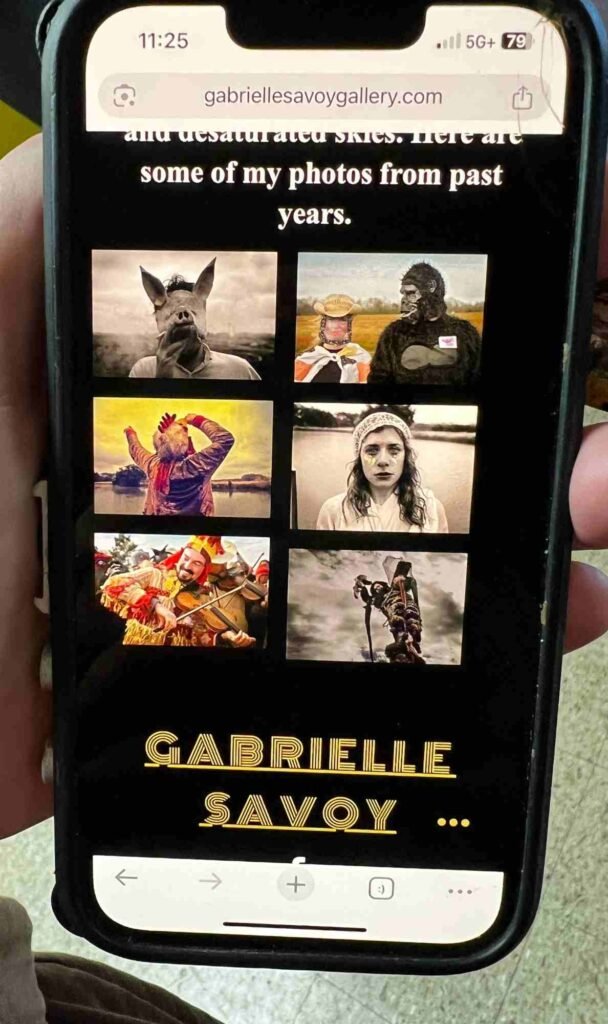
Gabrielle, the youngest, is a visual artist. Music is the “language of her soul,” but she expresses the family’s story through painting. This choice makes sense for her more introverted nature. She articulated the center’s deeper purpose with poignant clarity.
“My dad put his blood, sweat, and tears into making this place and creating a safe haven where the older generation could feel seen and heard and valued, and the younger generation could learn by watching and listening.”- Gabrielle Savoy
The Ripple Effect: From Newport to New York
The impact of the Savoys’ work radiates far beyond family. The center grew from a local shop into a cultural landmark. It functions as an open, inclusive community node. I spoke with Steve Wimmer, a musician visiting from New York. He first came in 1985 while studying with the legendary fiddler Dewey Balfa. For him and for many, the center became a foundational classroom and community hub. It was a place where legends like Wade Fruge and Dennis McGee would visit.
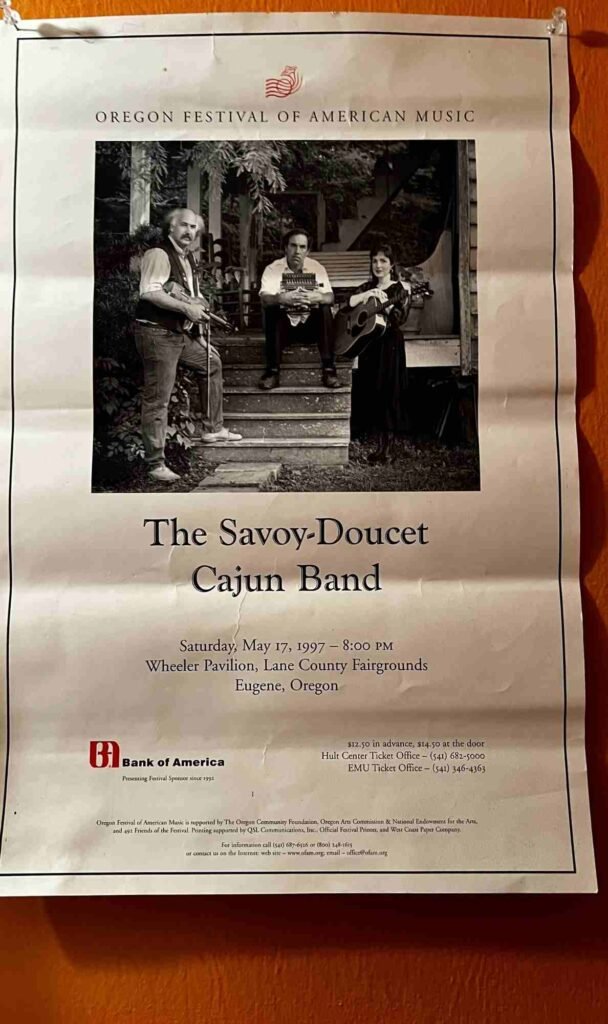
“It’s always been a place where the working musicians come. It’s also been a place where other local musicians would just sort of come hang out or visit some of the old, older musicians.”- Steve Wimmer
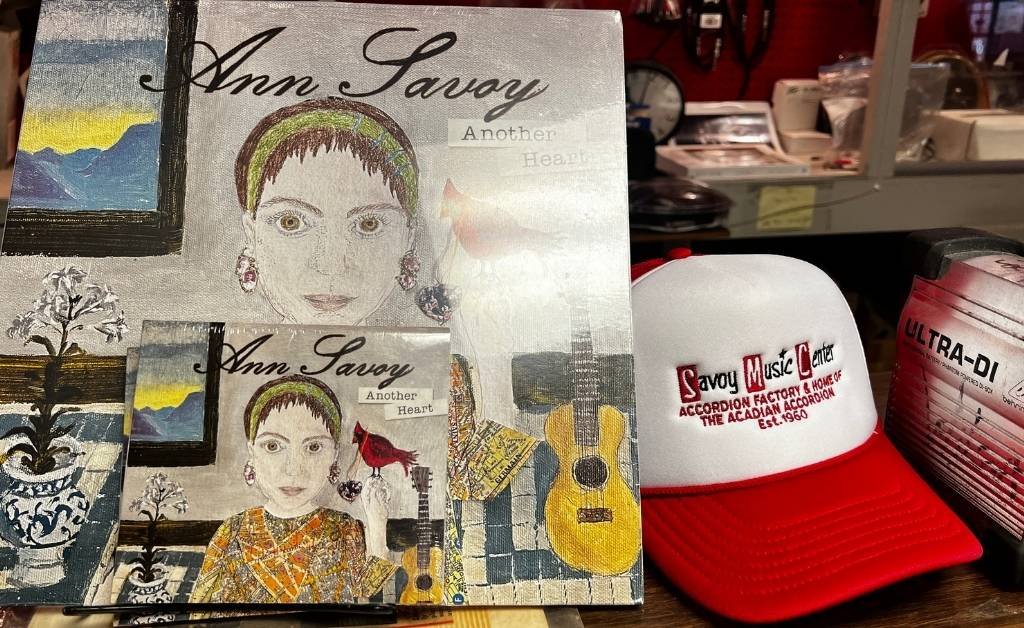
Another visitor, Lydia Garrison, returned to play. She had childhood memories of climbing trees in the parking lot while her mother danced and played inside. For her, the music holds a unique, healing power and represents a refreshing authenticity.
“I went to see a Cajun band, and I was dancing. I felt like I was in heaven, like heaven was on earth. It’s about the fun. It’s about the energy. I like how music here is, it’s more just what everybody does.”- Lydia Garrison
The Transformative Legacy
As the final notes of the morning faded, people lingered over the last of the boudin and cracklins. The full scope of the legacy came into focus. Marc Savoy, once the defiant pioneer, now sees his “footprint” in his children.
It is not just in their music, but in their opinions, their humor, and their unwavering commitment to authenticity. He has lived to see the word “Cajun” transform from a term of condescension to one signifying honesty, expertise, community, and the unique identity of Louisiana.
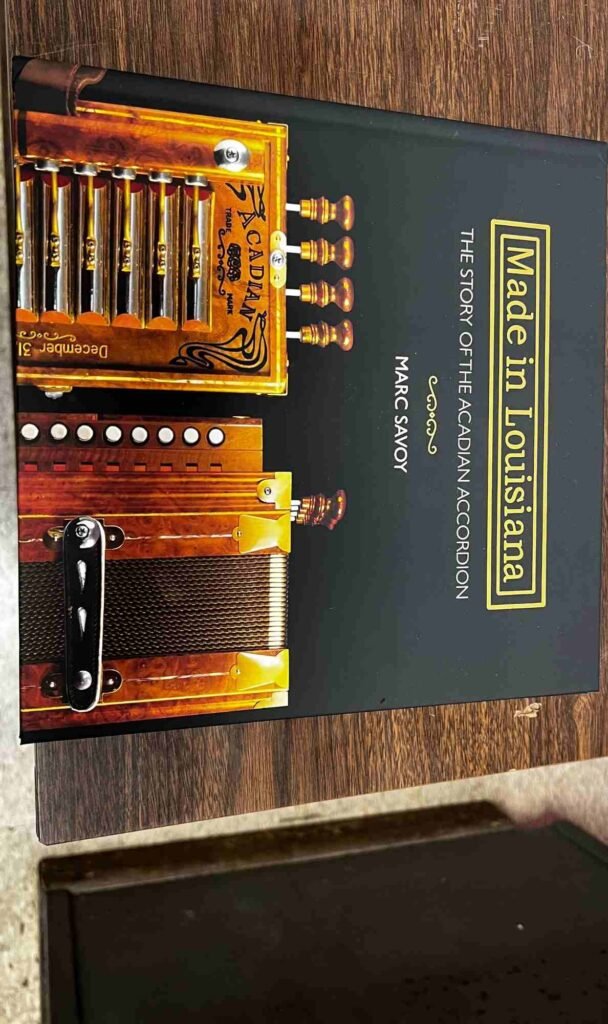
Today, he makes accordions for clients worldwide, but his hope is for young people to re-examine the legacy their parents might have ignored. He sees it as a vital antidote to what he calls the “United States of Generica,” a homogenized culture where true roots are forgotten. He strives to keep his Cajun identity from dissolving into the great American melting pot.
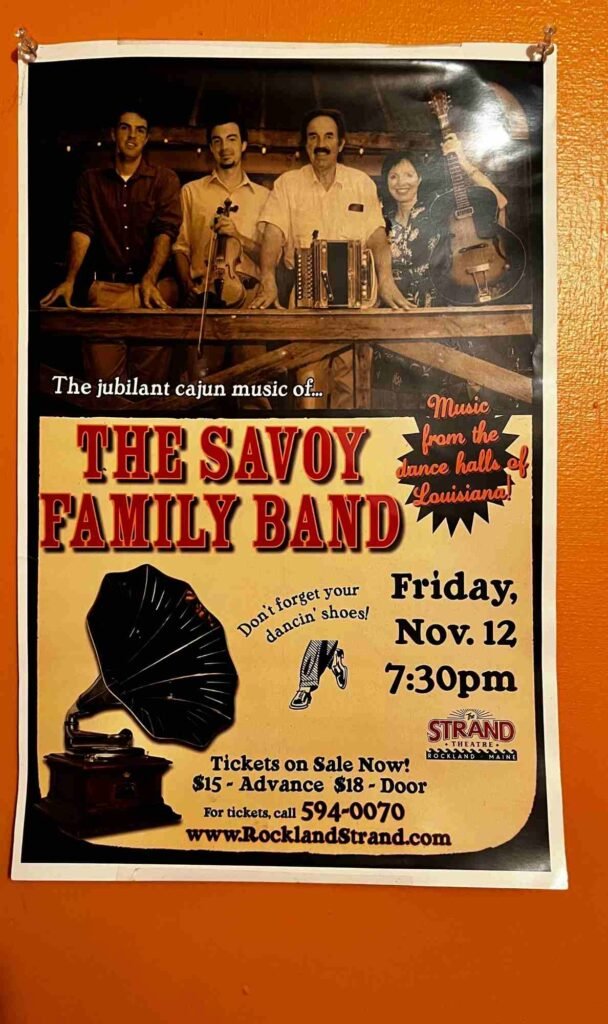
Savoy Family Music Center: A Living Sanctuary for Generations
The Savoy Music Center is more than a store or a venue. It is a resilient, human-powered ecosystem engineered by one family’s vision and stubborn love. Marc built the ark with his hands, crafting 532 parts into a work of art to instill appreciation for what ancestors lovingly left in our care. Anne fostered the boundless community within it. Their children now steer it forward, each adding their own timber to the hull.
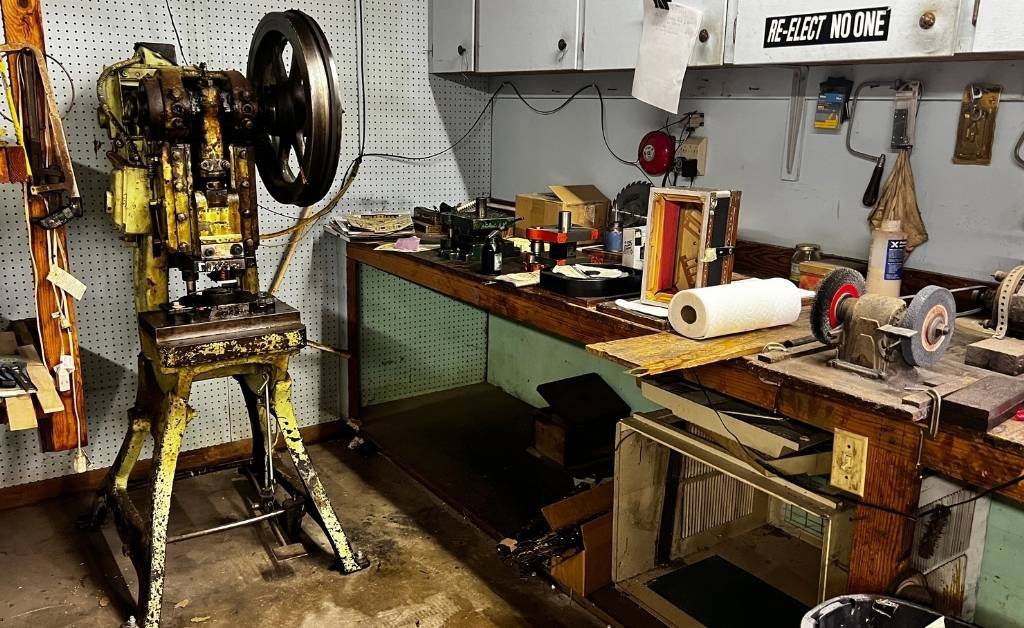
The family’s collective drive, as Gabrielle and Wilson noted, is to follow their hearts unapologetically. This is a courage modeled by their parents. They handle the culture with care, ensuring it evolves from the inside with respect. It is not a frozen artifact but a living, growing entity still connected to its deep roots. In the grand court of Louisiana’s culture, the Savoy family reigns with accordions, cast iron, and oral tradition.
In a world that often feels homogenized, they offer something priceless and real. It is a tradition kept alive not behind glass, but in the shared, daily acts of playing, listening, speaking French, and breaking boudin together. They stand as true culture keepers. They ensure the soulful, syncopated heartbeat of Cajun Louisiana, once stifled by shame, now resonates as a powerful, unbroken rhythm for all who seek it.
Stay Connected Anywhere with Saily eSIM
Traveling soon? Skip the hassle of buying local SIM cards and enjoy instant connectivity with Saily eSIM.
With Saily, you can:
- Activate mobile data in minutes—no physical SIM needed.
- Choose affordable plans in over 150 countries.
- Keep your WhatsApp, contacts, and number without switching.

Whether you’re exploring cities or remote getaways, Saily makes staying online easy and affordable.
Get your Saily eSIM now and travel worry
Experience Your Destination with Plannin
Travel is more than sightseeing—it’s about immersion. With Plannin, you can:

✅ Discover authentic adventures, culture, history & cuisine
✅ Unlock hotel deals worldwide at exclusive rates
✅ Book everything in one place—fast and hassle-free
Turn your next trip into a story worth sharing.
Plan your journey with Plannin today.
Read More:
Sabine Free State Festival: A Celebration of Louisiana’s Lawless Past
Meet Tee Don Landry: The Rubboard Maker to the Music World
Louisiana’s Tradition Bearer: How Darryl Reeves Keeps Blacksmith Alive