Inside the Flooded House Museum: A Living Memory of Katrina’s Destruction
Share This Post
This post may contain affiliate links, which means I may earn a small commission from purchased products at no additional cost to you.
Table of Contents
Nearly two decades after Hurricane Katrina, New Orleans’ landscape still carries both scars and signs of resilience. In Gentilly, one of the city’s hardest-hit neighborhoods, a single house stands as both memorial and museum. Known as the Flooded House Museum, it offers an unflinching glimpse of what thousands of residents endured when floodwaters poured through the city after catastrophic levee failures.
Walking through Gentilly today, you can still feel the weight of August 29, 2005, when Katrina’s storm surge overwhelmed drainage canals and breached floodwalls, sending entire neighborhoods underwater. Louisiana has since invested billions in defense systems designed to withstand a 100-year storm, but here at the Flooded House Museum, the painful memories remain immediate and personal.
Stepping Into the Flooded House Museum
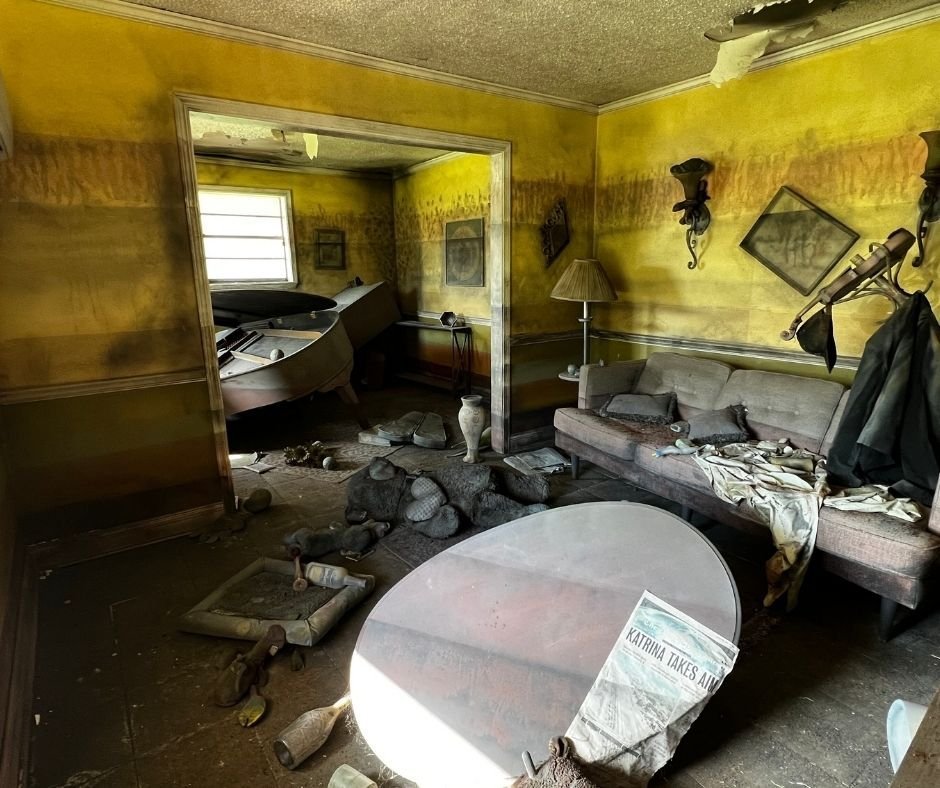
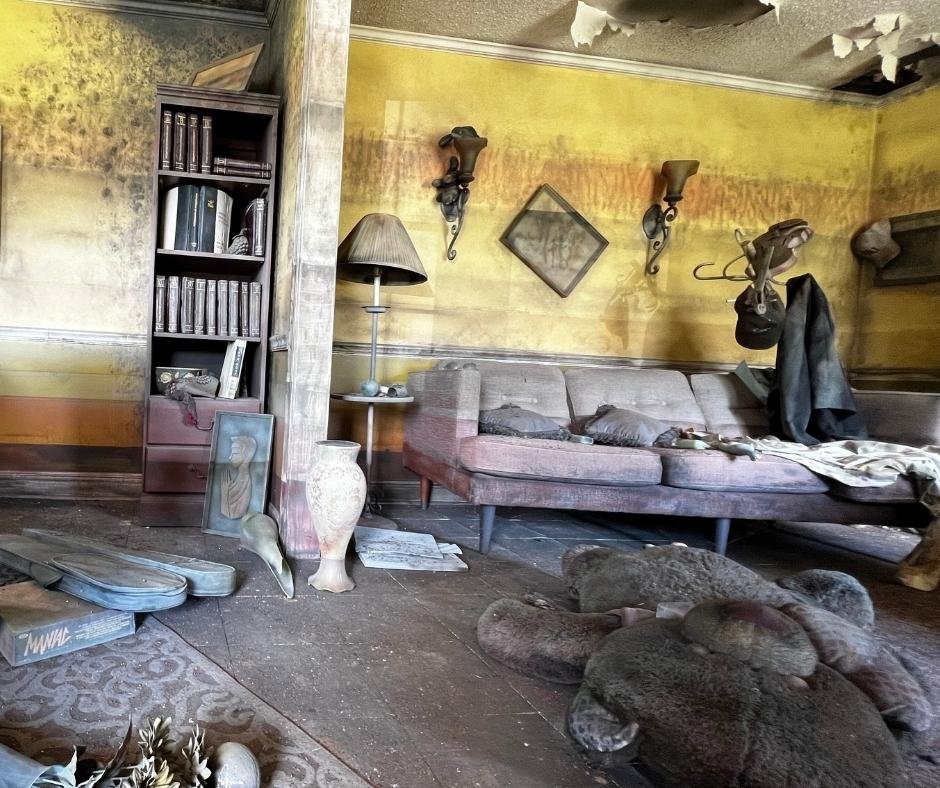
Inside, rooms remain frozen in time to show the devastation left behind by Hurricane Katrina.
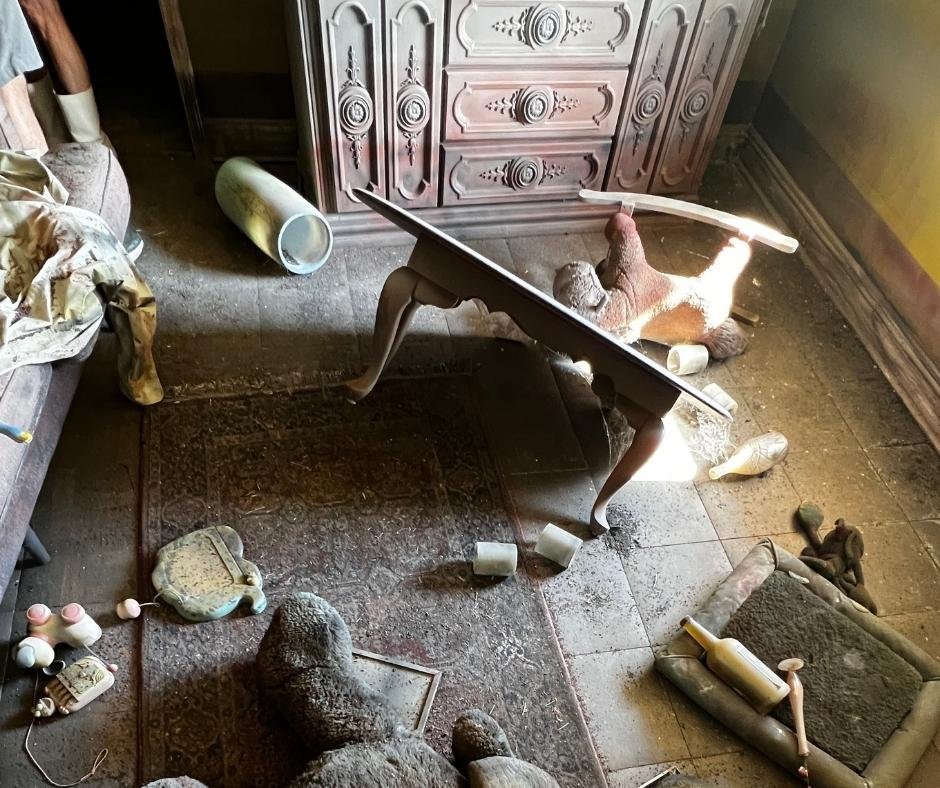
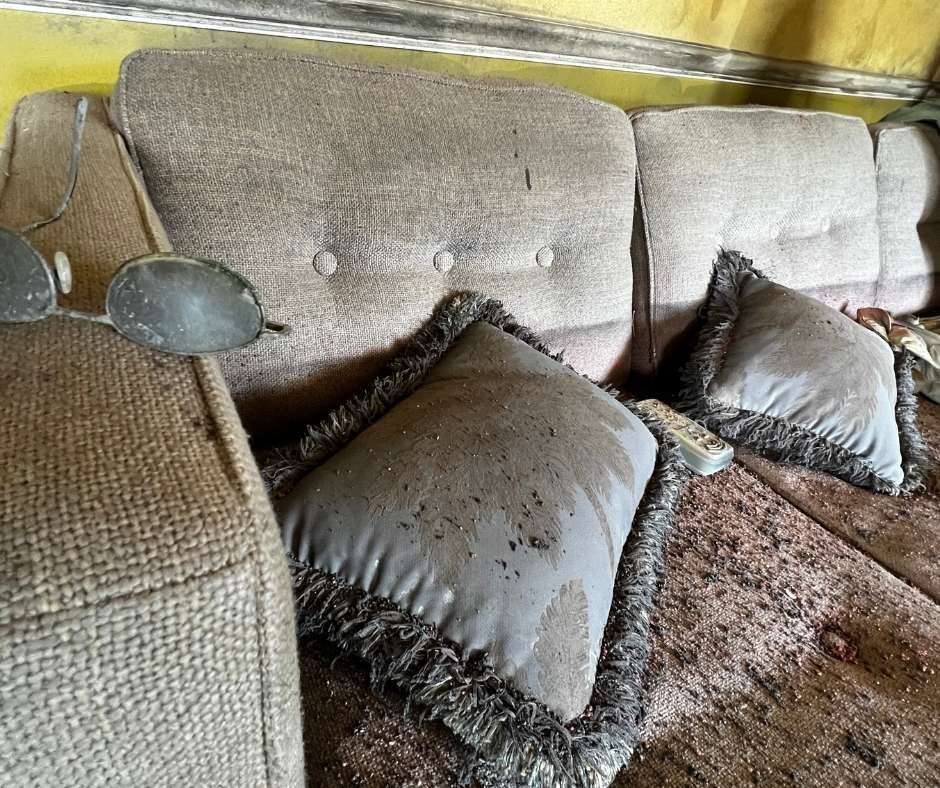
The museum is unlike any traditional exhibition. It is a modest two-room home, its interior preserved as a visceral art installation that can be viewed through exterior windows. Thanks to special access, I stepped inside to experience the chaotic scene recreated by the artist: a dirty stuffed teddy bear abandoned on the floor, children’s toys scattered amid mud and debris, and a pair of reading glasses left behind in the rush to escape. Even a pet’s bed sits in place, soaked and forgotten.
Scattered belongings and damaged furniture recreate the chaos.
“We really wanted this home to be reflective of the sorts of residents that were here, of the life of the residents in this neighborhood. This is very typical of what homes looked like in the aftermath of Katrina.” – Sandy Rosenthal, Founder of Levees.org
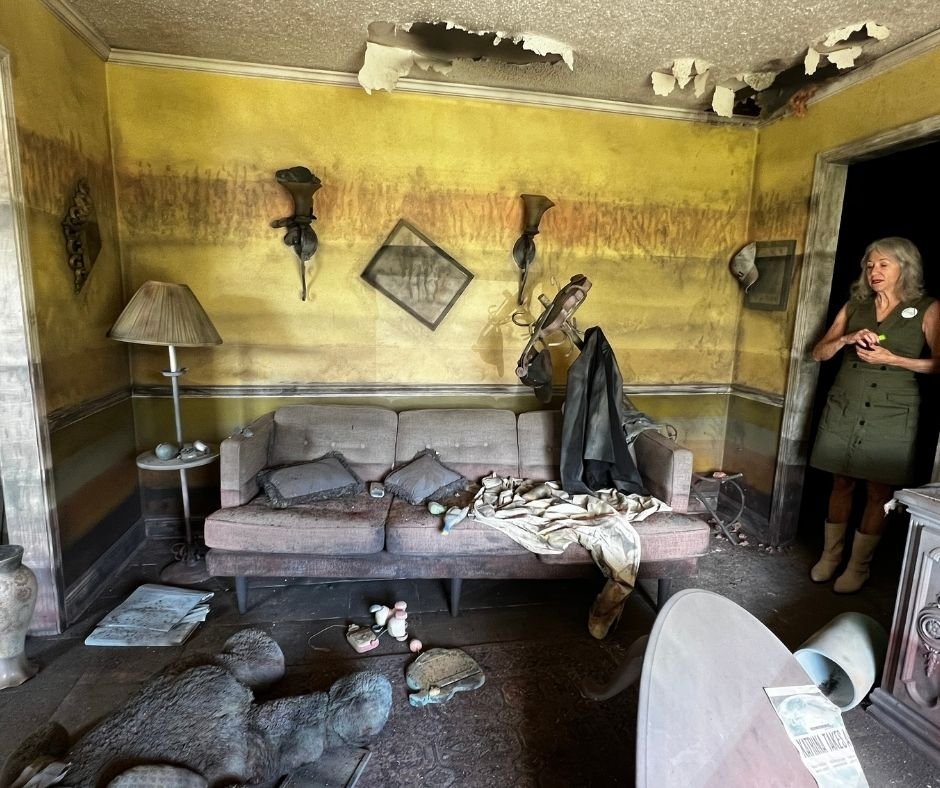
Inside the museum, preserved rooms stand as a reminder of both devastation and resilience.
The installation is not just haunting. It is deeply human. Every item tells the story of ordinary families whose lives were permanently altered by the floodwaters.
Remembering the Breach at London Avenue Canal
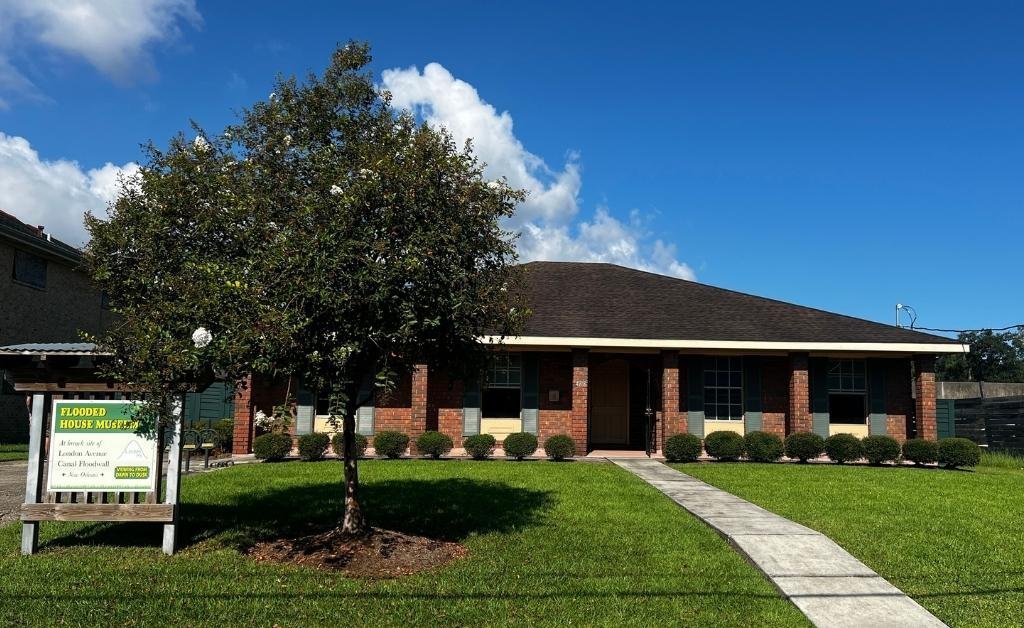
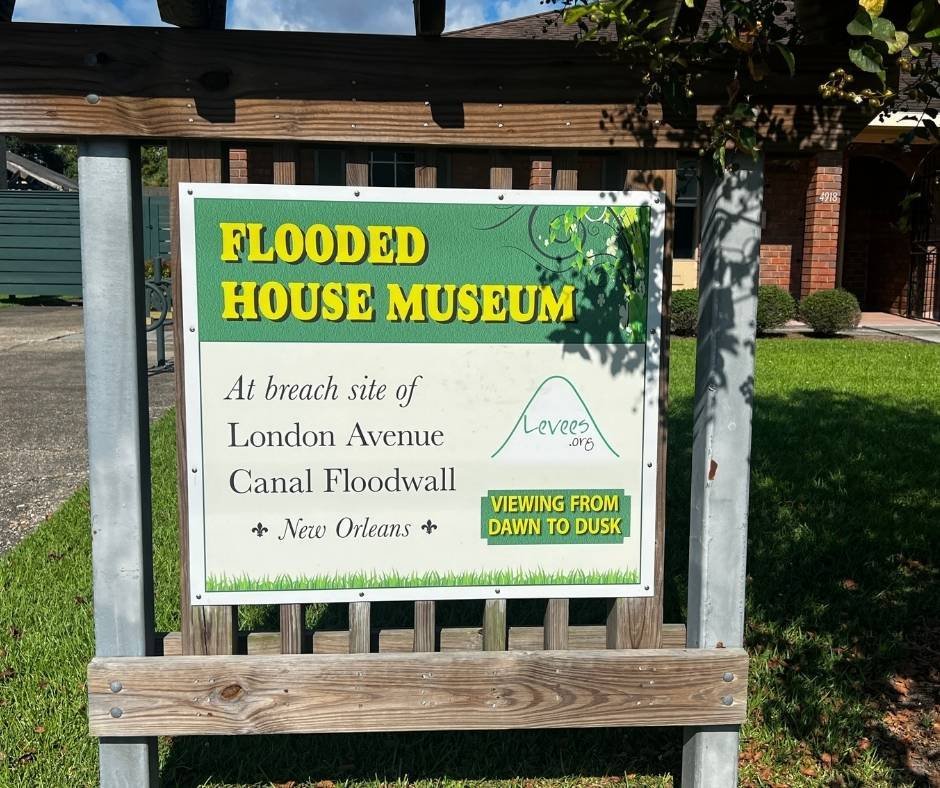
The Flooded House Museum sign marks the site of the London Avenue Canal floodwall breach during Hurricane Katrina.
The Flooded House Museum sits at the breach site of the London Avenue Canal Floodwall, where one of the most devastating collapses occurred.
“The original breach was right in front of you. When the first one went, a couple more of these monoliths went with it.” – Sandy Rosenthal
The preserved damage reveals the devastation caused by engineering failures.
Here, the structural failures were not the result of towering storm surge alone but of engineering miscalculations.
Water-damaged furniture reveals the lasting mark of structural mistakes.
“The Army Corps of Engineers determined they only needed to drive steel sheet piling into the ground 16 feet instead of about 50. When Katrina’s surge arrived, which wasn’t that high, the walls broke just four feet from the top.” – Sandy Rosenthal
This single oversight resulted in catastrophic flooding for Gentilly and surrounding neighborhoods.
The Open Air Levee Exhibition and Garden
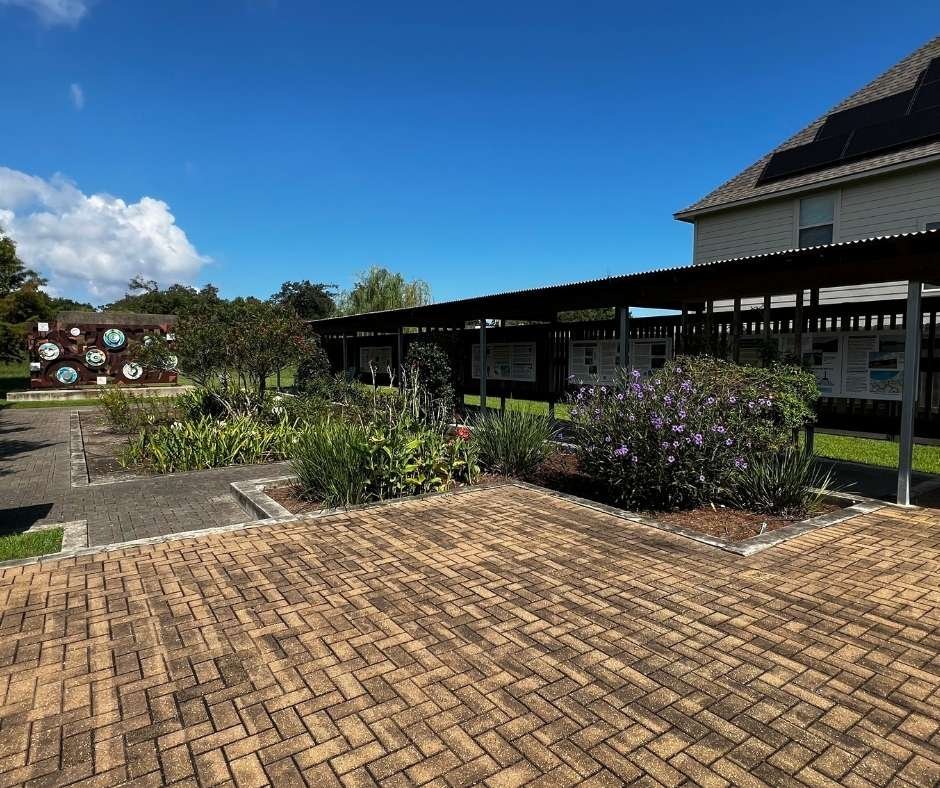
Beside the Flooded House stands another powerful reminder: the Open Air Levee Exhibition and Garden. This memorial space honors those who suffered in the Lower Ninth Ward and St. Bernard Parish when water surged through breaches along the London Avenue and other canals.
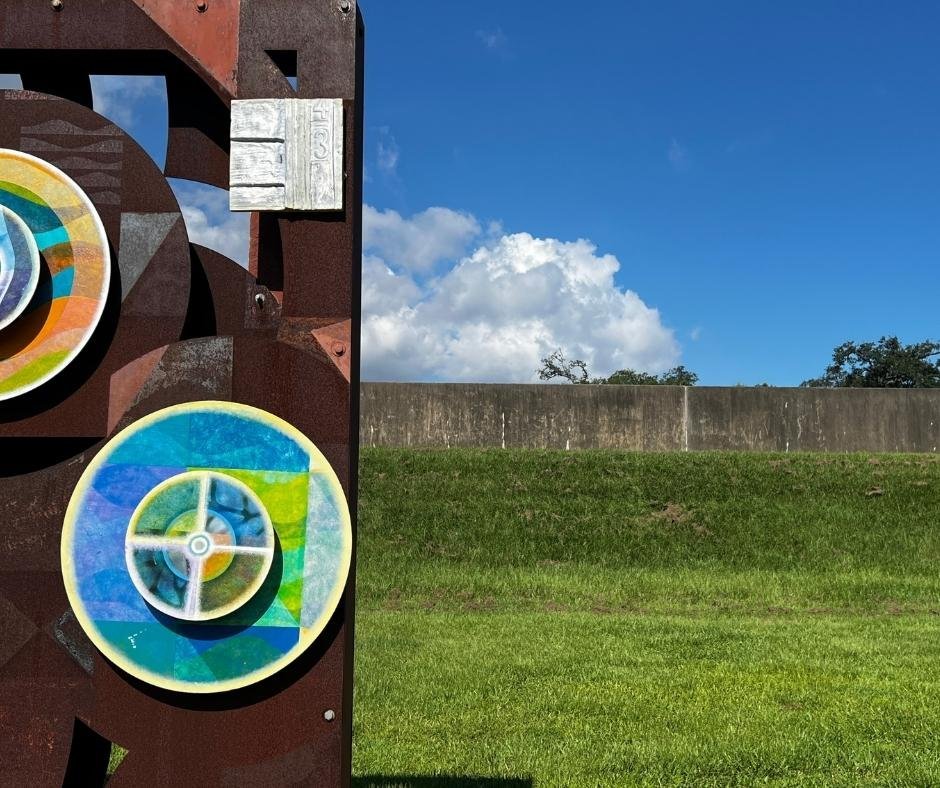
The Open Air Levee Exhibition and Garden invites reflection on the levee breaches and resilience after Hurricane Katrina.
Here, sculptural monoliths mark the site and invite visitors to pause and reflect. Standing among them, you can also see the reinforced canal floodwall that was rebuilt after Katrina and successfully held back Hurricane Ida’s Category 4 storm surge in 2021.
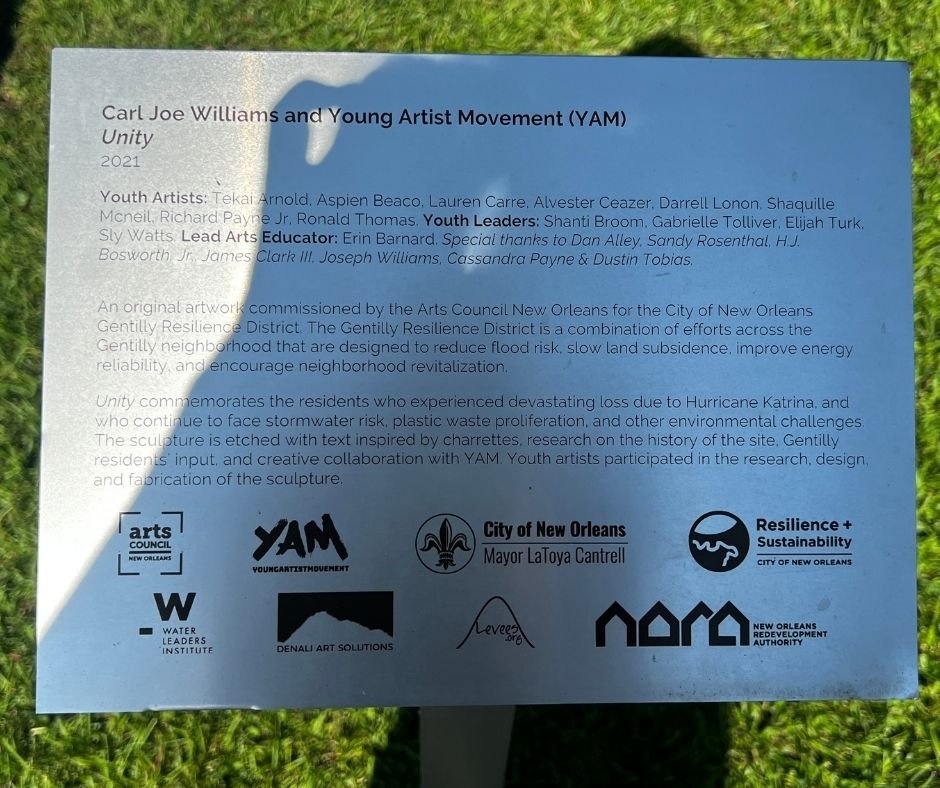
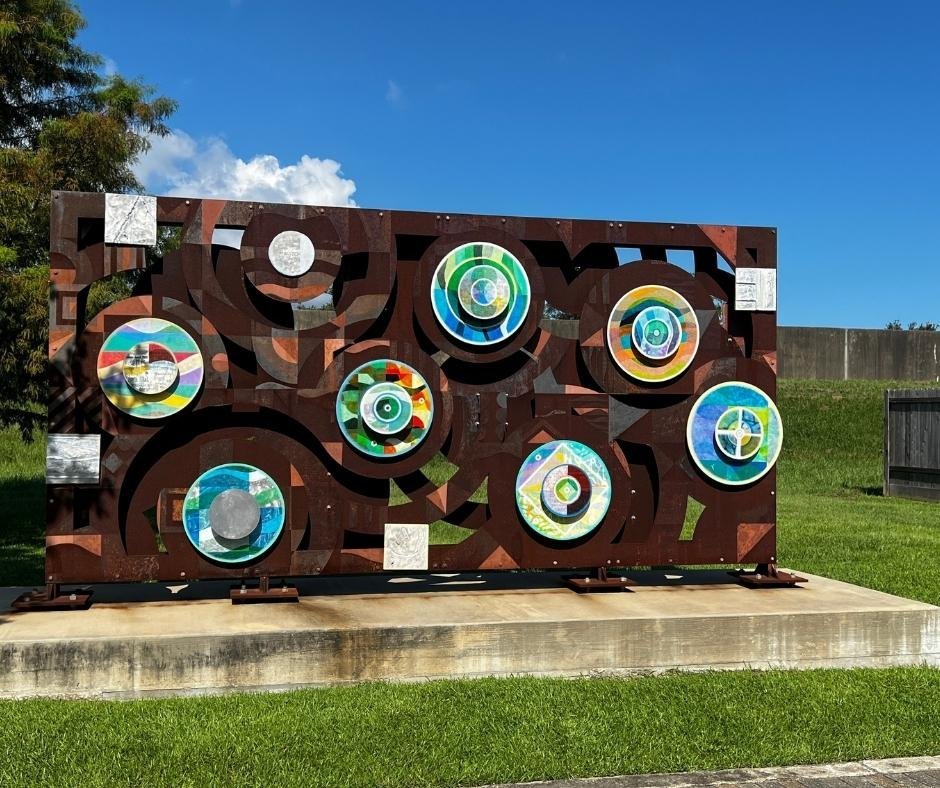
Plaque for Unity artwork in Gentilly Resilience District, honoring Katrina’s legacy and resilience.
“Today, where we stand, this is a memorial so that people don’t forget what happened here. It’s a commemoration, an education, and a symbol of resilience.” – Sandy Rosenthal
Artwork at the Open Air Levee Exhibition and Garden commemorates the impact of Hurricane Katrina and the city’s resilience.
Mr. Go and the Surge Barrier: Lessons From the Past
The destruction was not limited to Gentilly. Katrina’s surge pushed Lake Borgne over the banks of the Mississippi River Gulf Outlet, or “Mr. Go,” a navigation shortcut carved in 1965. Its saltwater intrusion eroded more than a million acres of coastal habitat that once absorbed storm energy.
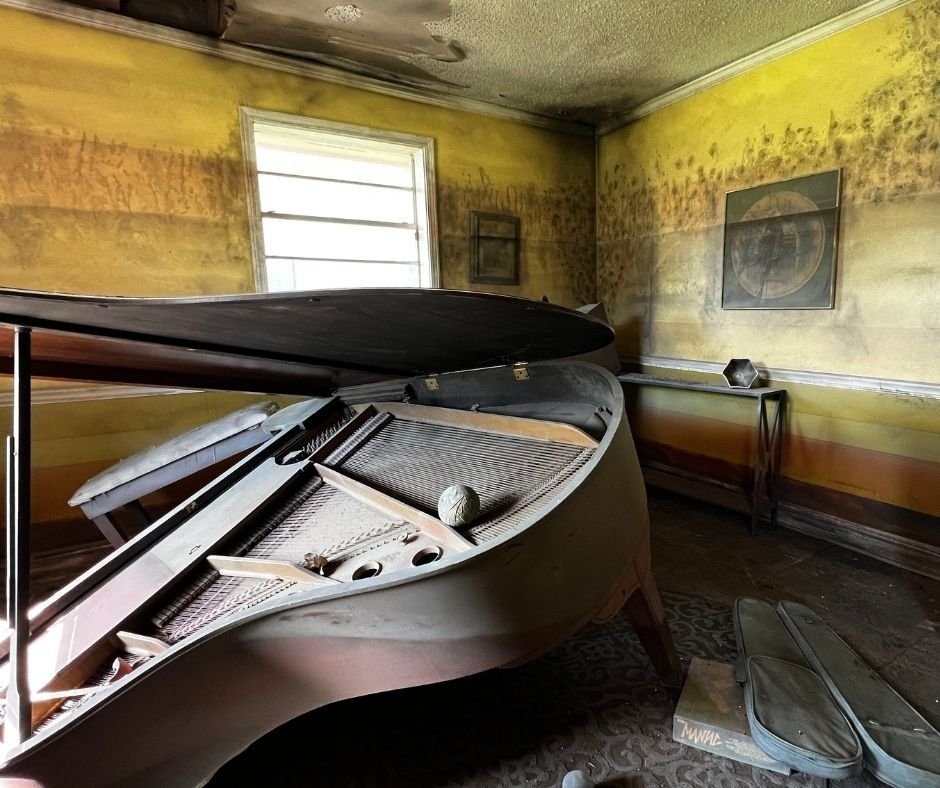
A ruined piano inside the museum shows how the storm’s destruction reached far beyond Gentilly.
“Because of Mr. Go, we lost a lot of that protection. In Katrina, we saw catastrophic flooding in communities like the Lower Ninth Ward and St. Bernard Parish.” – Amanda Moore, National Wildlife Federation
After the storm, the Army Corps of Engineers permanently closed Mr. Go and constructed a $1.2 billion, two-mile-long surge barrier that many call the “Great Wall of Louisiana.”
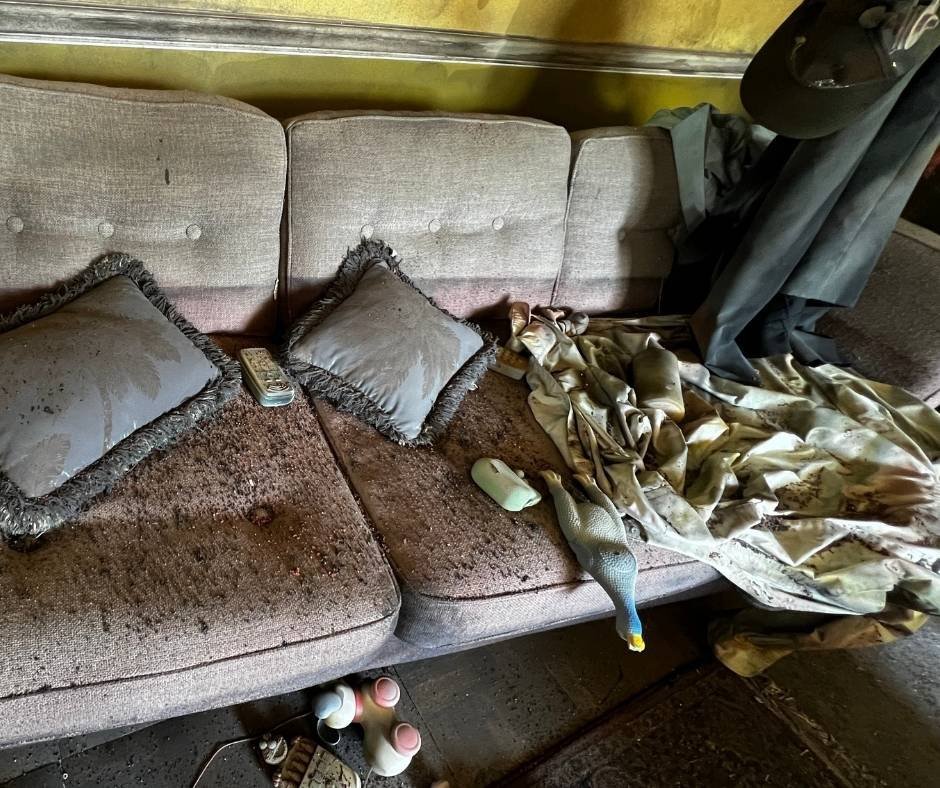
A ruined sofa tells the story of ordinary families whose homes were permanently altered by the flooding.
“This is one of the keystone features of the system rebuilt after Katrina. It is designed for overtopping but reduces wave action before it reaches the city.” – Amanda Moore
The massive structure now guards New Orleans at the very funnel where Katrina’s surge proved most destructive.
Restoring Louisiana’s Coastal First Line of Defense
Katrina also reshaped how Louisiana thinks about coastal protection. The state established the Coastal Protection and Restoration Authority (CPRA) to create a comprehensive plan that emphasized “multiple lines of defense.”
Artwork near the levee wall reflects Louisiana’s vision of resilience and layered coastal defenses.
Barrier islands, wetlands, and marshes are now central to resilience efforts. Since 2005, projects have restored much of the Barataria Basin shoreline from Bayou Lafourche and Port Fourchon to Grand Isle and Plaquemines Parish.
“This isn’t a project where we’ll ever say, ‘mission accomplished.’ Our coastal area is dynamic and always changing. The moment we become complacent is the moment we fail.” – Greg Grandy, CPRA Deputy Executive Director
Why the Flooded House Museum Matters Today
Standing inside the Flooded House Museum, surrounded by silent reminders of ordinary lives upended, it is clear this site is more than just an exhibit. It is a living classroom and a cultural landmark. It forces us to confront how engineering failures, environmental mismanagement, and human decisions combined to magnify the devastation of Katrina.
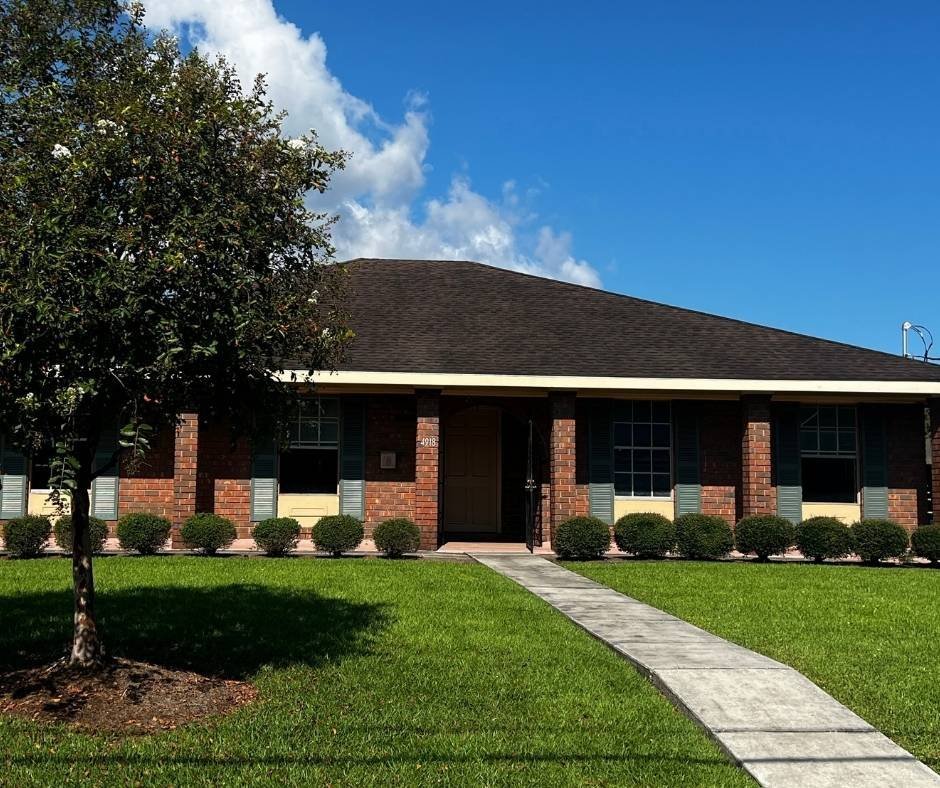
The Flooded House Museum in Gentilly stands as a preserved memorial to the levee failures of Hurricane Katrina.
At the same time, the museum is a testament to resilience. Louisiana has invested billions in barriers, levees, and ecological restoration. Yet the message here is sobering because protection is never finished. Coastal defenses must evolve as the land itself changes.
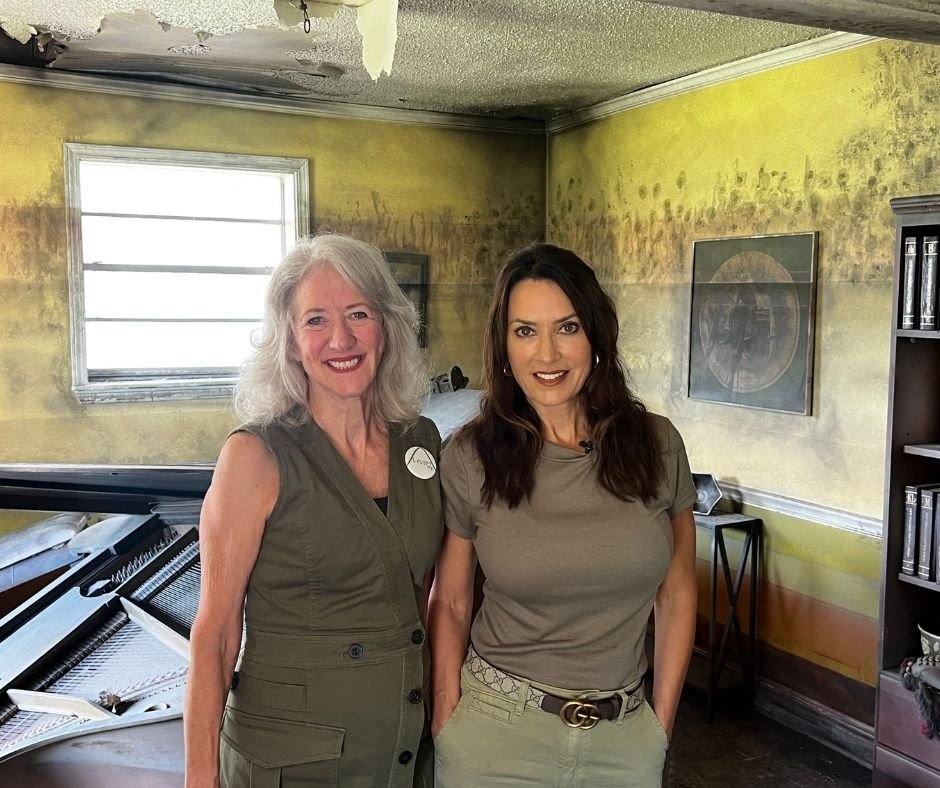
Sandy Rosenthal of Levees.org with journalist Karen LeBlanc inside the Flooded House Museum in Gentilly.
For visitors, the Flooded House Museum is not only about remembering destruction. It is also about understanding the stakes of living with water in Louisiana and why the lessons of Katrina remain urgent for the future.
Experience Your Destination with Plannin
Travel is more than sightseeing—it’s about immersion. With Plannin, you can:
✅ Discover authentic adventures, culture, history & cuisine ✅ Unlock hotel deals worldwide at exclusive rates ✅ Book everything in one place—fast and hassle-free