This post may contain affiliate links, which means I may earn a small commission from purchased products at no additional cost to you.
Just across the river from New Orleans, a working waterfront market has been feeding families and preserving Louisiana seafood traditions for nearly half a century.
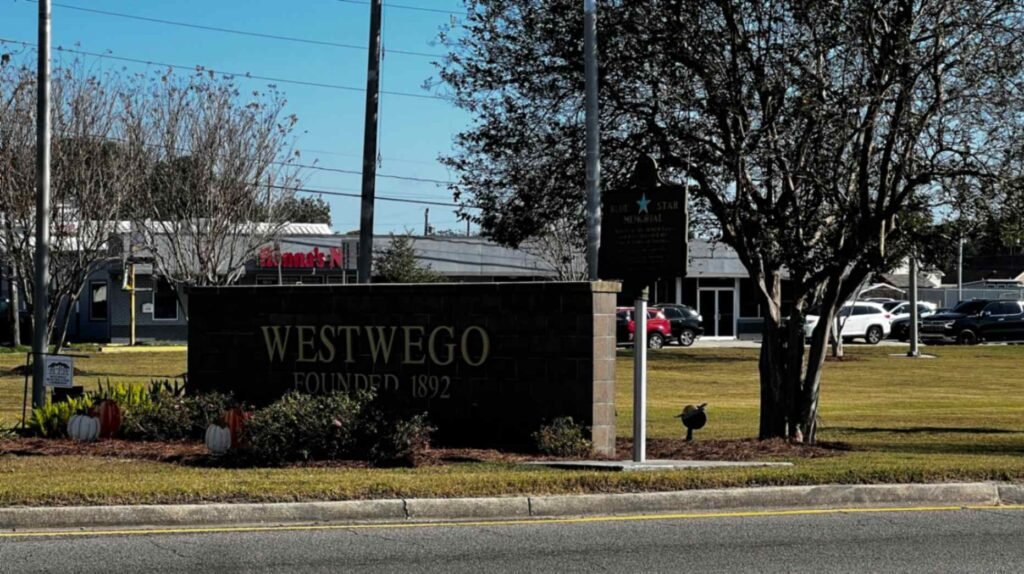
The morning air carries the salt tanged promise of fresh catch as I pull into the gravel lot along the West Bank Expressway. It is mid November, not quite the peak season, but the place is already humming with the kind of purposeful energy that only comes before dawn in South Louisiana. Ice chests pop open.
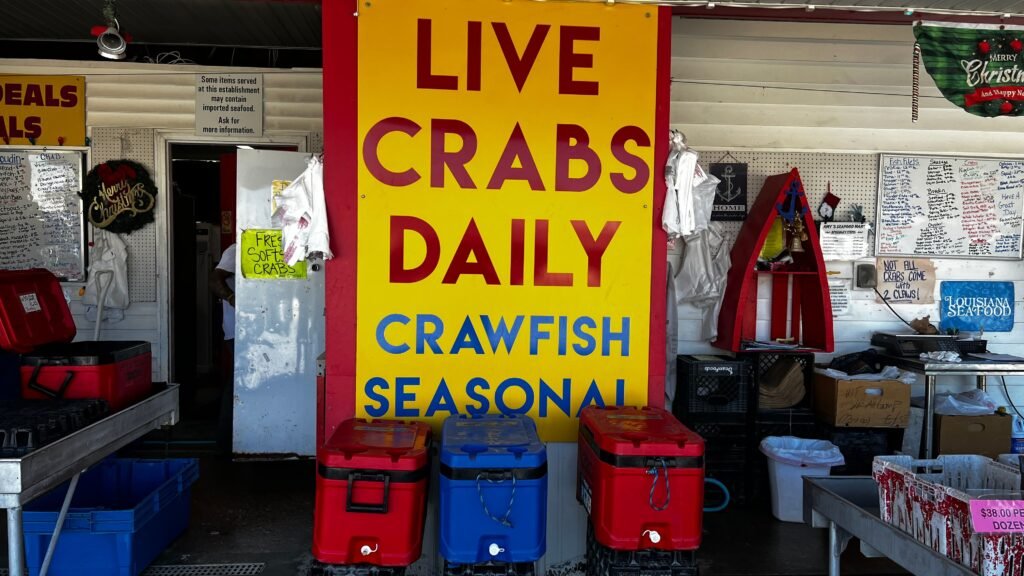
Boat engines idle at the dock. And somewhere behind the rows of gleaming shrimp, three generations of the Temento family are carrying on a tradition that began with a simple refusal to take fifty cents a pound.
I am Karen LeBlanc, and on this stop of LA 64, we are stepping into one of Jefferson Parish’s most cherished institutions. The Westwego Shrimp Lot. What I found here was not just a place to buy seafood. It was a living, breathing testament to the kind of grit and grace that keeps Louisiana culture alive.
Table of Contents
From Fifty Cents to Family Legacy: The Birth of a Landmark
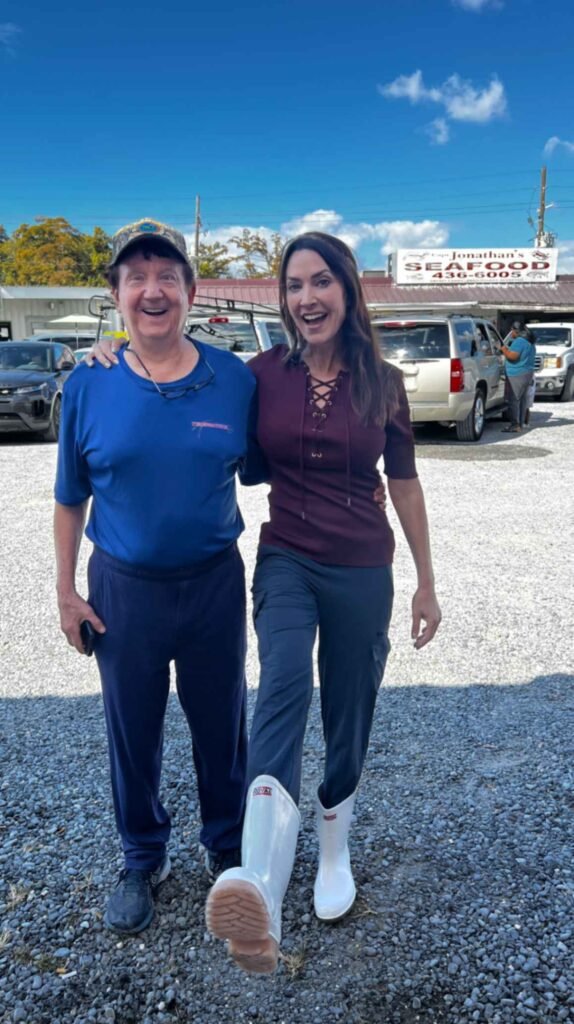
Ronnie Temento greets me with the warm handshake of someone who has spent decades building something that matters. Before the tour even begins, he is handing me a pair of shrimp boots and introducing me to the future of this place.
“This must be the family business,” I say, looking at the younger faces beside him.
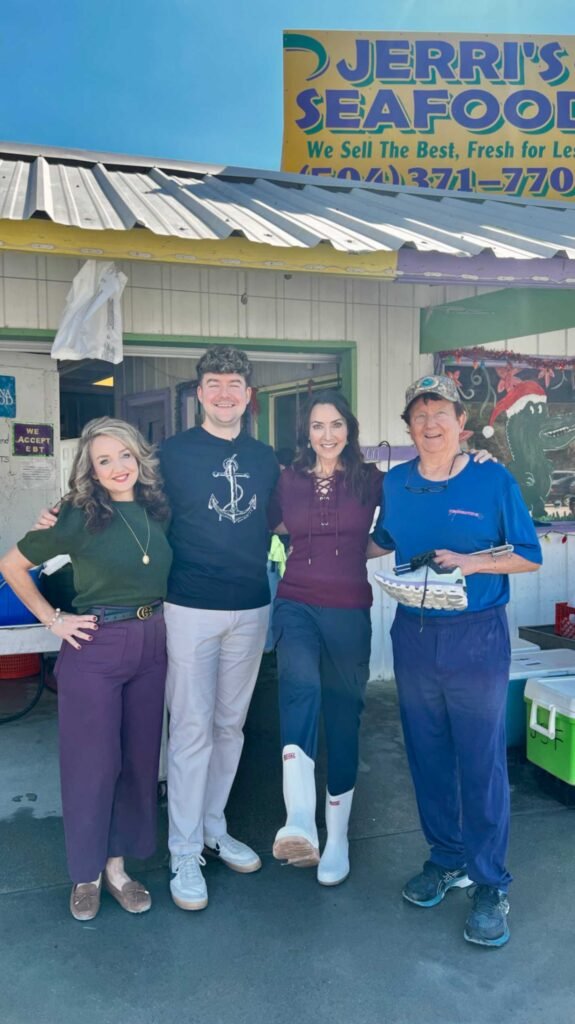
Ronnie beams. “On the side of me is my daughter, Anne, the President, and my grandson, Andrew, the Vice President. They will be the people carrying on the business. It remains the same historic open air seafood market it has been since 1979, built by generations of hardworking local fishermen who have poured their hearts and hard work into this place, and by the grace and will of God, that tradition will continue. By the grace and will of God, it will always be the Westwego Shrimp Lot.” — Ronnie Temento
The story of how this all started feels almost like Louisiana folklore now, but for Ronnie, it is as clear as that Thanksgiving week in 1979. He and some friends had gone shrimping in Bayou Saint Dennis and returned with their boats heavy with catch. Three champagne hampers each, about 70 pounds of shrimp per basket. What happened next changed everything.
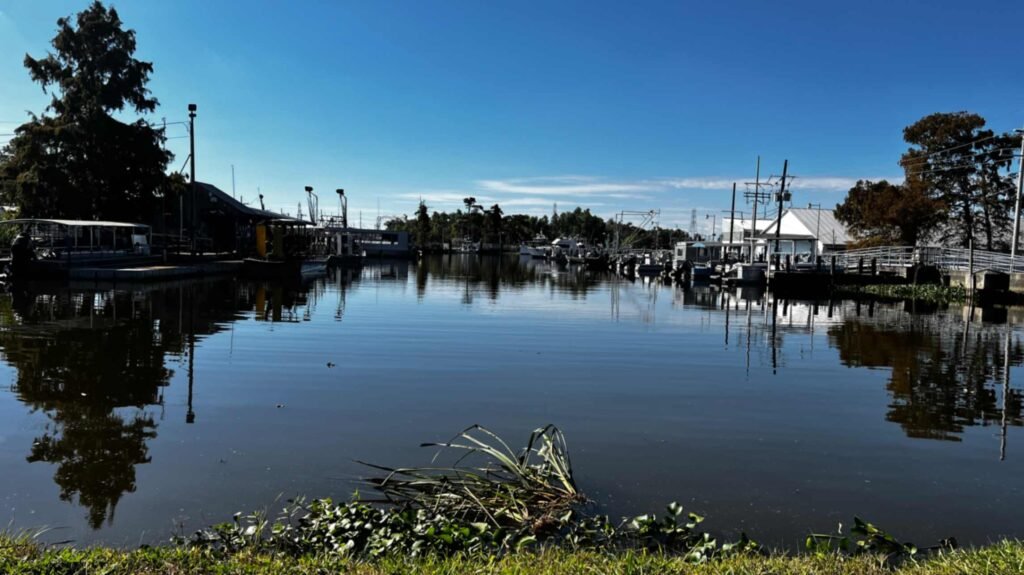
“It goes back to 1979 during Thanksgiving week. Each of us had about three champagnes of shrimp. You guys know what champagne is? That is a champagne hanger, a basket of shrimp filled to the top is about 70 pounds of shrimp. Each of us had three champagnes of shrimp and we were trying to sell them. Every seafood buyer we went to said, we will give you fifty cents a pound but only if you throw in the blue crabs you caught. We said no. After five different shrimp buyers only offered us fifty cents a pound, we thought why not sell the shrimp ourselves. We acquired some property on the West Bank Expressway and started selling shrimp directly to customers with some cardboard signs. We got up to one dollar and fifty cents per pound. So the difference between fifty cents a pound and one dollar and fifty cents a pound was the difference between them staying in business or going out of business.” — Ronnie Temento
That cardboard sign has grown into something Ronnie never could have imagined back in 1979. Forty seven years later, the Westwego Shrimp Lot remains the same historic open air seafood market it has always been. Built by generations of hardworking local fishermen who poured their hearts into this patch of ground.
A Seafood Super Mall by the Water
As we walk the lot, Andrew Temento gestures toward the bustling rows of vendors.
“I pulled into the Westwego Shrimp Lot and the first thing that came to mind was this is a seafood super mall,” I told him.
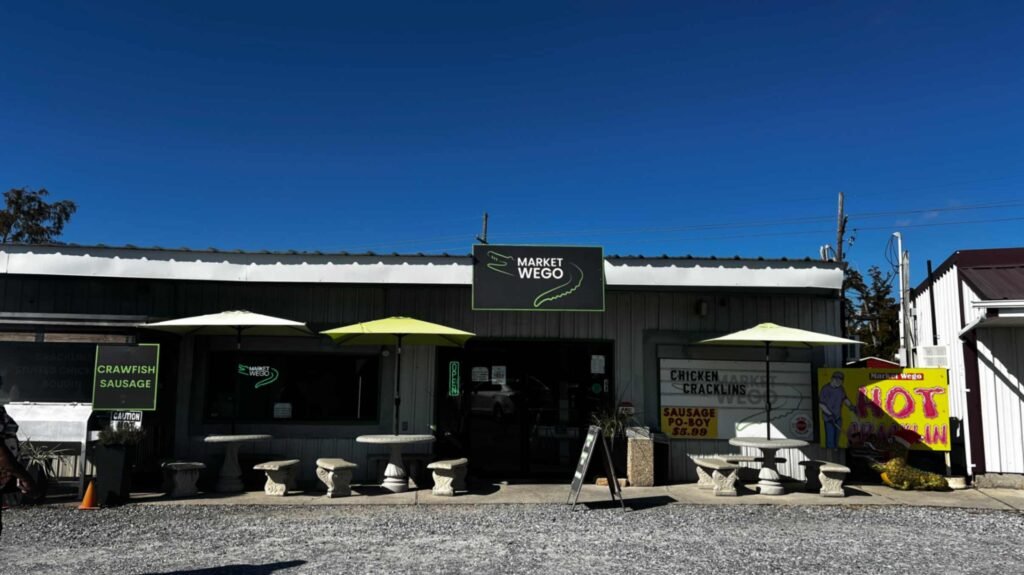
He laughs and nods. “Yes, Karen. Absolutely. I mean, so we are out here on a Saturday and in the middle of November, it is only going to continue to get more and more crowded as the holiday season comes up. This is pretty much a typical Saturday out here. You see all the different stands. We have 11 seafood stalls, all individually family owned and operated. Many of the stalls are on their second, third, or fourth generation family members.” — Andrew Temento
The setup is simple but brilliant. Eleven seafood stalls line the property, each one individually family owned and operated. What strikes me most is the continuity. Many of these stalls are now being run by second, third, or even fourth generation family members.
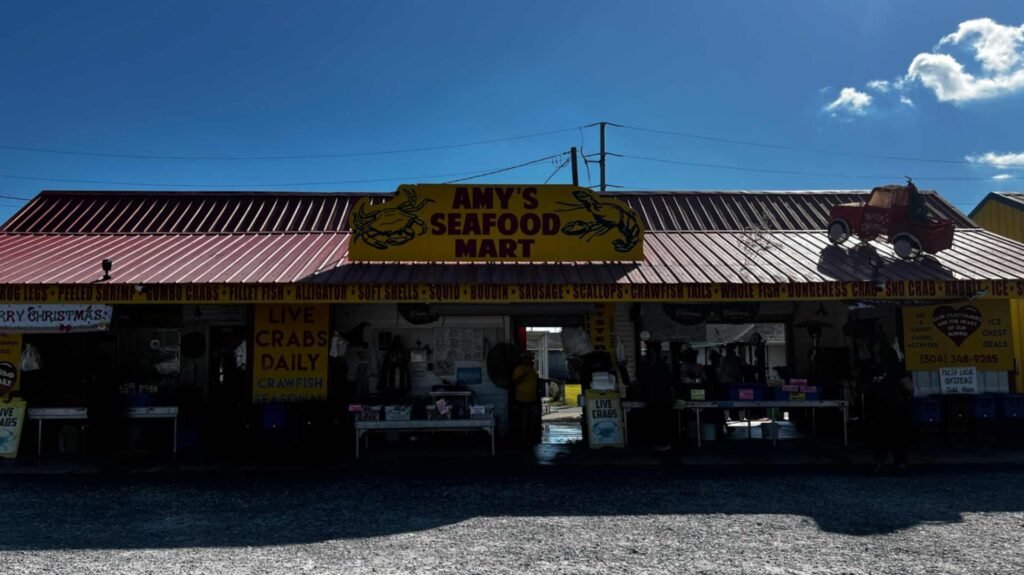
These are not hired workers filling ice chests. These are families who learned to count by weighing shrimp, who grew up listening to the banter of the lot, who understand that this business is not something you learn from a manual.
“Look at their effort. The vendors have to get up here early to buy seafood that is coming in off the boat. So the consumer benefits in a lot of ways because they can save money and get the freshest seafood. You almost have to be born in this business to succeed. You are not going to have your regular person come and try to understand and purchase seafood. You have got to be born in it.” — Ronnie Temento
I watch the rhythm of the place. Customers lean over tables piled with glistening catch, asking questions, debating sizes, making their selections with the careful attention of people who know exactly what they are going to cook. Behind them, vendors move with practiced efficiency, scooping shrimp, weighing bags, making change, all while keeping one eye on the boats still coming in.
Built for the Water, Designed for the Coast
One thing surprised me almost immediately. Despite being surrounded by seafood at every turn, the lot does not have that pungent, fishy smell you might expect.
Andrew notices me noticing. “I was surprised that it does not smell like seafood. It does not have that pungent, shrimpy smell here, despite being surrounded by all this,” I mention.
He explains that it is not accidental. The quality of the fresh seafood is part of it. Nothing sits around long enough to get funky. But there is something else going on beneath our feet that most customers never see.
“I think a lot of it is to do with the fresh seafood that we have. People make sure we maintain a really good quality, but also all the drainage, all the rocks that we have, everything. The infrastructure we have in the ground all the way to even behind the stalls that people do not see. My grandfather got together with Dr. Bob Thomas, who still teaches at Loyola University, and they actually created small ecosystems behind the stalls to retain the shrimp water dump site. Basically, whenever there is seafood or things like that, it is not just throwing it back onto Mother Earth, it is more recycling into the ecosystem.” — Andrew Temento
The infrastructure runs deeper than anyone would guess. What looks like a simple gravel lot is actually designed to handle the unique demands of a working waterfront. And the location itself carries history. Andrew points out that where we are standing used to be a canal running from the Mississippi River back through what is now Company Canal. The water has always been part of this ground’s story.
“In fact, where we are standing back in the day, this used to be a canal going from the Mississippi River all the way back here through what is now Company Canal.” — Andrew Temento
How to Shop Like You Know What You Are Doing
For first timers, walking into the Westwego Shrimp Lot can feel a little overwhelming. The options are abundant, the vendors are busy, and everybody else seems to know exactly what they are looking for. Andrew offers some straightforward advice.
“All of our stalls are individually owned and operated. I recommend you go up, talk to one of our expert salespeople. They will tell you about everything that they have here. You can obviously see the crabs moving. These are fresh crabs fresh off the boat. You see the shrimp. They are not slimy. They are not smelly. And just use your nose, use your stomach, walk around and see what appeals to you.” — Andrew Temento
The signs of freshness are right there if you know what to look for. Live crabs are still crawling over each other in the baskets. Shrimp with clean shells and no odor. Vendors who can tell you not just the price, but where the catch came from and when it hit the dock.
Size matters too, depending on what you are cooking. Andrew notes that customers might need different shrimp for different dishes.
“You may see different sizes depending on what kind of dish you are going to be cooking, whether you are cooking blackened shrimp, or you are going to be cooking a jambalaya or a gumbo. We have whatever size shrimp you are looking for. We definitely have it out here.” — Andrew Temento
Blackened shrimp calls for something different than a gumbo or jambalaya. And whatever size you need, you will find it here.
More Than a Market: A Gathering Place for Louisiana Culture
What strikes me as I walk through the lot is how much this place feels like a community hub dressed up as a seafood market. Yes, people are here to buy shrimp and crabs. But they are also here to catch up with neighbors, swap cooking tips, and pass along the kind of food knowledge that does not exist in cookbooks.
You learn a lot about Louisiana by watching people buy shrimp. The debates over size and count are not really about numbers. They are about food memories. Gumbo weather coming in. Backyard boils planned for the weekend. Lent Fridays when seafood becomes a weekly ritual. Family recipes passed down like heirlooms, each one with its own opinion about what kind of shrimp works best.
This is a marketplace, yes, but it is also a gathering place. A cultural crossroads where the coast meets the community.
The vendors understand this intuitively. They are not just selling seafood. They are connecting people to a way of life that has sustained coastal Louisiana for generations.
By the Grace and Will of God: The Future of the Lot
Standing there with three generations of Tementos, I think about what Ronnie said earlier about the future of this place. His answer came without hesitation, carrying the weight of forty seven years of early mornings and honest work.
“It remains the same historic open air seafood market it has been since 1979, built by generations of hardworking local fishermen who have poured their hearts and hard work into this place. And by the grace and will of God, that tradition will continue. By the grace and will of God, it will always be the Westwego Shrimp Lot.” — Ronnie Temento
Anne and Andrew stand nearby, already deep in the work of carrying that tradition forward. Andrew talks about the infrastructure improvements, the ecosystem projects, the ways they are ensuring the lot can serve another generation of customers. Anne moves through the crowd with the quiet confidence of someone who grew up in this business, stopping to greet regulars who have been coming here longer than some vendors have been alive.
The Real Louisiana Seafood Experience
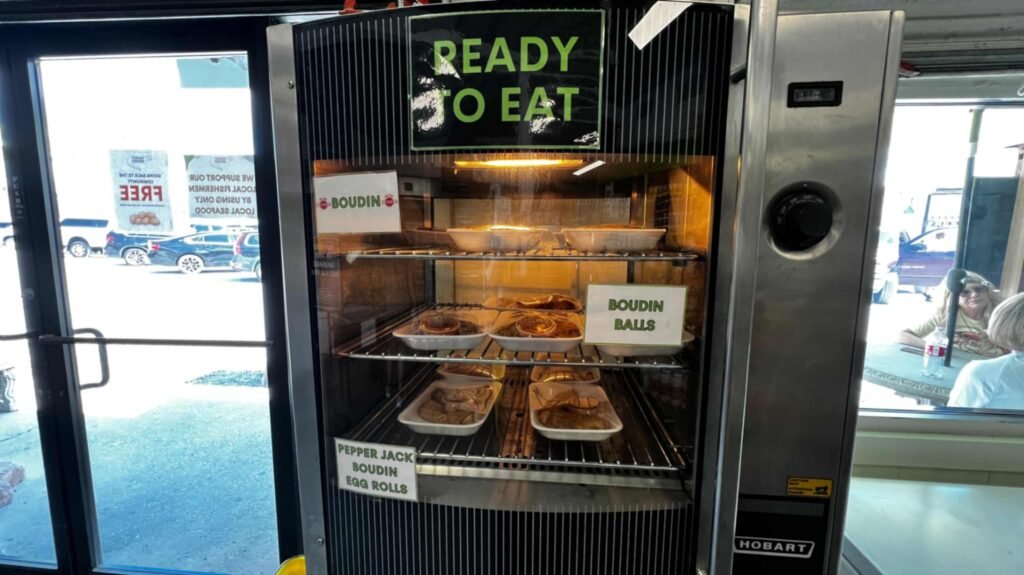
The Westwego Shrimp Lot is not fancy. There is no air conditioning, no credit card machines at every stall, no polished marketing materials. What it has is something far more valuable. Authenticity you can taste.
Every pound of shrimp comes with a story. Of long nights on the water. Of families working together before sunrise. Of knowledge passed down through hands as much as words. The fishermen who supply these stalls are not anonymous. They are neighbors, family members, people whose faces you recognize from years of Saturday mornings.
In Louisiana, our seafood is not just food. It is identity, heritage, and home. Places like the Westwego Shrimp Lot remind us that culture lives in the everyday moments. Fishermen hauling nets. Neighbors swapping recipes. Families carrying on traditions that connect us to our coast.
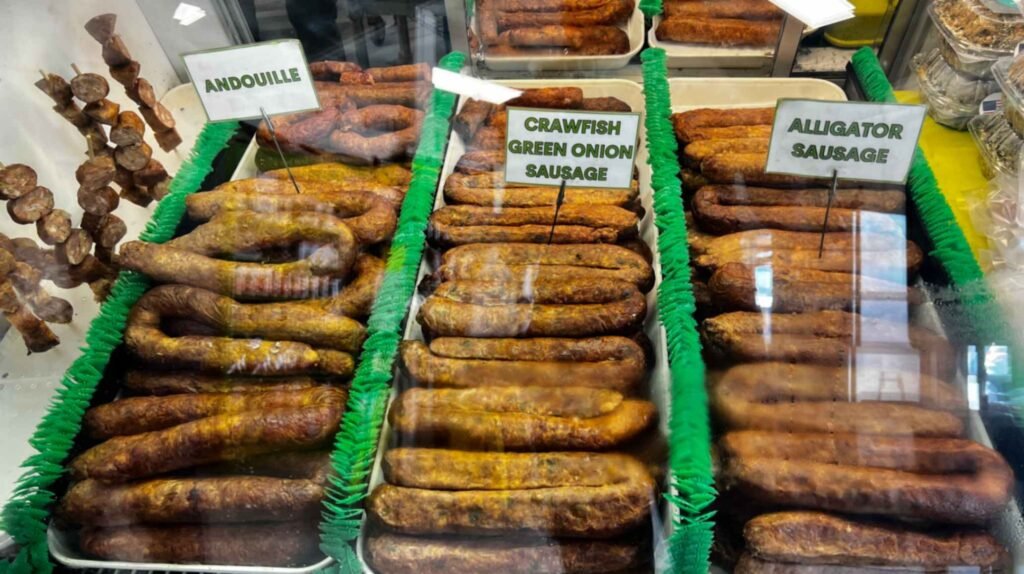
If you go: The Westwego Shrimp Lot is located on the West Bank Expressway in Westwego, just across the river from New Orleans. The market operates year round, but weekends see the largest crowds and the widest selection. Bring cash, bring a cooler, and bring your questions. The vendors here know their seafood and they are happy to help you pick exactly what you need.
Whether you are cooking for a crowd or just want the freshest shrimp you can find, this is the real Louisiana seafood experience. No frills. No shortcuts. Just generations of know how and the Gulf’s bounty, waiting for you at sunrise.
Also Read:
Inside the Old Bank: Joshua Wingerter’s Westwego Gallery
Cajun Prairie Farm In Arnaudville, Louisiana: Where Cajun Culture Grows
Airboating Through the Atchafalaya: A Deep Dive into Louisiana’s Living Swamp